







Introduction:The Moka pot is a staple espresso tool in many coffee enthusiasts’ homes, but users often encounter issues such as uneven extraction, poor flavor, or difficult equipment maintenance. This article delves into key parameters of Moka pot usage—including material selection, heating methods, grind size, and coffee-to-water ratio—and provides practical troubleshooting and cleaning tips to help you consistently brew rich, well-balanced Moka pot coffee with a luxurious crema.
The Moka pot is a reliable companion for many home coffee lovers, enabling them to easily craft strong, Italian-style coffee at home. However, in practice, many users face problems such as sluggish extraction, overly sour or bitter flavors, or even a lack of crema. This guide will systematically introduce Moka pot selection, operation procedures, and cleaning and maintenance techniques from real-life usage scenarios, along with specific solutions to common issues.
When choosing a Moka pot, the most common materials are aluminum and stainless steel. Early Moka pots were mostly made of aluminum alloy and could only be used on open flames—while they heated up quickly, they were prone to oxidation and blackening. Nowadays, stainless steel is the mainstream material, not only durable but also suitable for direct use on induction cooktops, meeting the diverse needs of modern households. It is recommended to choose an appropriate capacity based on your home’s heating equipment and the number of users; generally, small to medium-sized Moka pots for 2–3 people are the most practical and easiest to control in terms of extraction parameters.
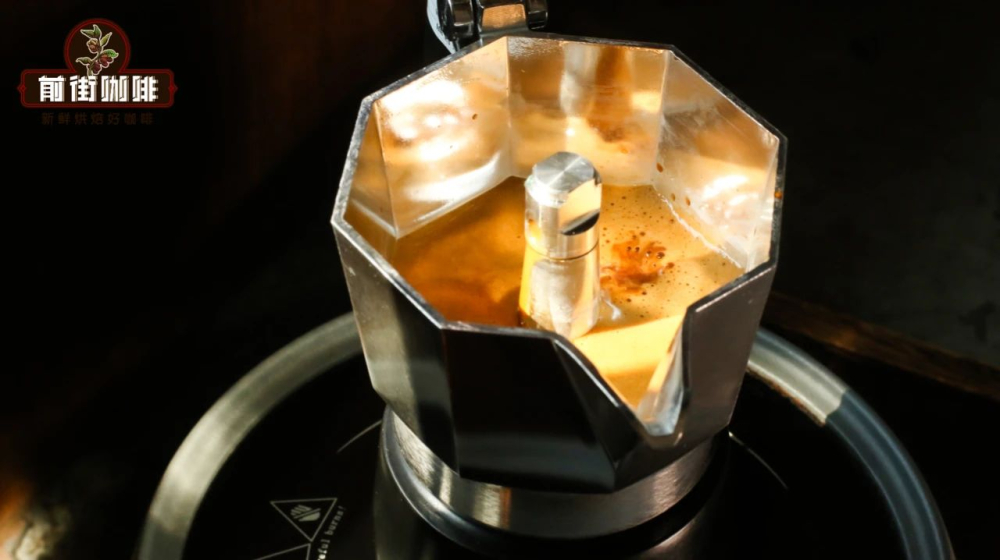
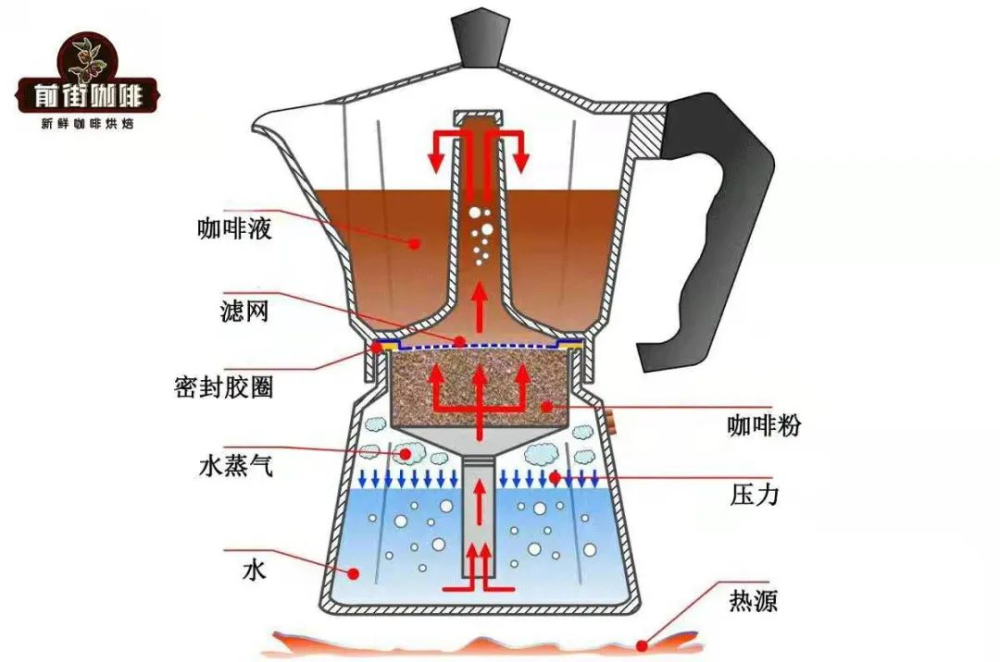
The basic structure of a Moka pot can be divided into three core components: the top chamber holds the brewed coffee, the middle funnel is for placing the ground coffee, and the bottom chamber is for water, which generates steam pressure when heated. As the water in the bottom chamber boils, the resulting pressure pushes the hot water through the coffee grounds, extracting aroma and flavor compounds to produce a rich cup of coffee. Depending on personal taste, you can drink it directly or adjust the strength by adding water or milk.
Before starting extraction, prepare freshly roasted coffee beans, a suitable heating tool (such as a gas stove, induction cooker, or electric ceramic cooker), a professional grinder, clean water, and a heat-resistant towel to ensure safe operation. For heating sources, besides common gas stoves and induction cookers, open flames are also an option—but always keep the flame low and be mindful of burns. Special reminder: if using an open flame, constantly monitor the fire intensity to maintain stable extraction pressure.
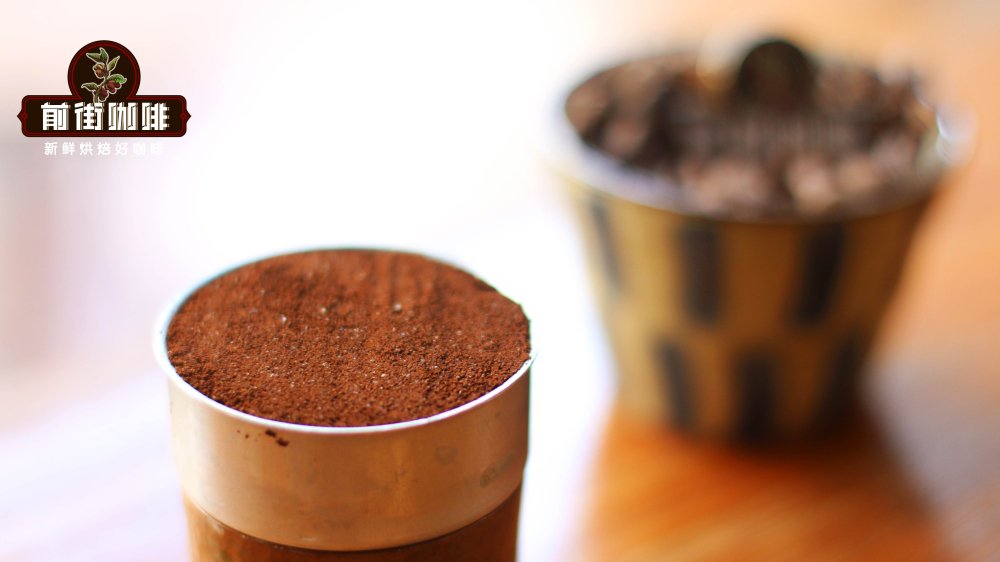
For coffee bean selection, medium to dark roasted blends are recommended, as they bring out rich crema and a full-bodied taste, suiting those who prefer intense flavors. As for coffee grounds, fill the funnel completely but do not tamp it down. Using only half the coffee grounds may result in insufficient resistance and under-extraction, affecting the final flavor intensity. After filling, simply level the surface with your finger—over-tamping will hinder water flow.
Grind size adjustment is equally crucial. It is recommended to use a fine grind close to that of espresso, but if extraction is too slow or signs of over-extraction appear, you can slightly coarsen the grind. Generally, Moka pot extraction takes about 3–5 minutes, depending on grind size and coffee amount—the finer the grind, the longer the time. Additionally, during heating, when you hear a distinct bubbling sound, it means pressure is building up, so you should immediately lower the heat to avoid over-extraction, which can lead to bitter or thin flavors.
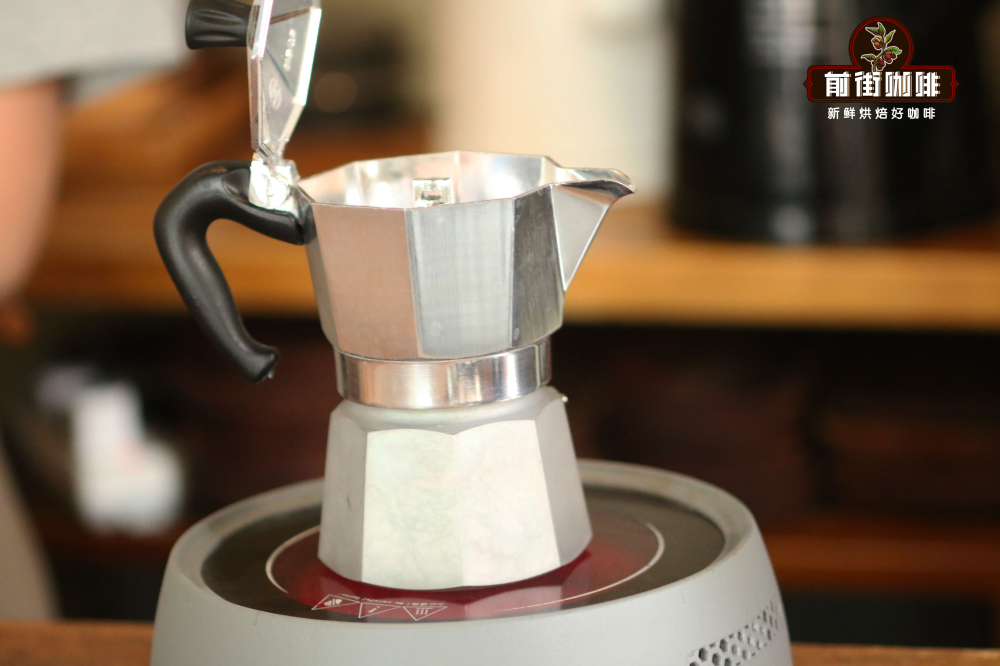
Regarding water control, it is recommended not to exceed the pressure relief valve level in the bottom chamber. Typically, using about 130ml of warm water with a double-chamber single-valve Moka pot can shorten heating time and improve extraction efficiency. After adding coffee grounds and water, tighten the top and bottom chambers securely. If using warm water, it’s advised to use a damp cloth for insulation to avoid burns. Then place the Moka pot on the heat source and begin extraction.
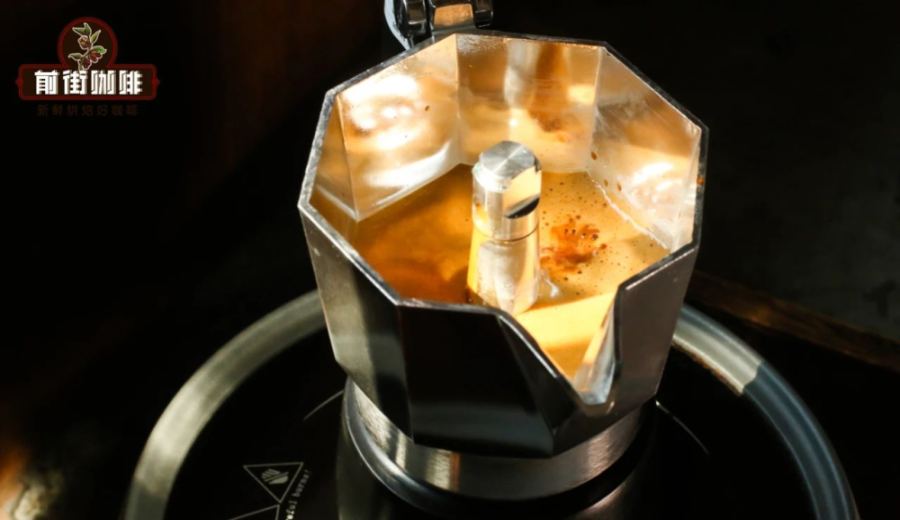
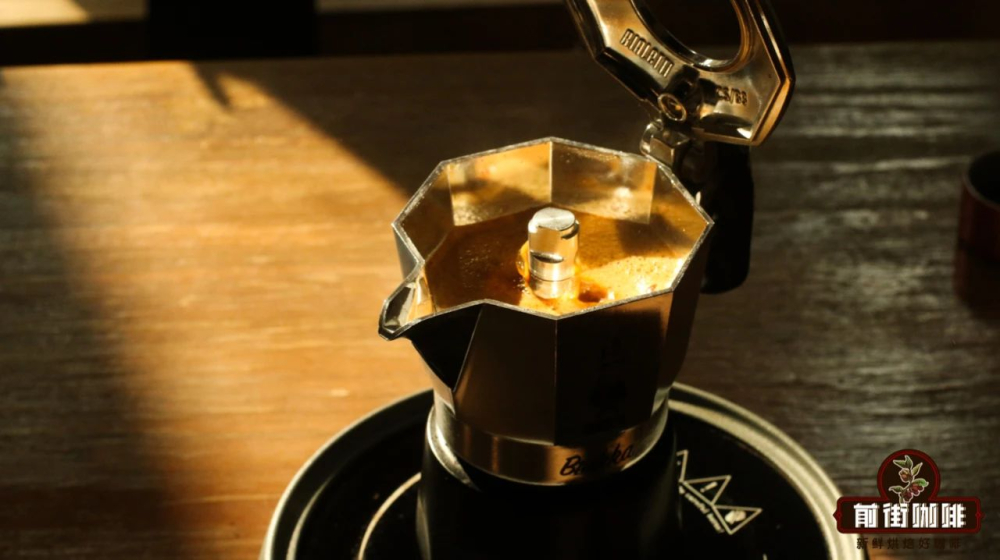
When the Moka pot starts making loud noises, it means the hot water is about to push the coffee liquid out—immediately lower the heat to stabilize extraction pressure and avoid over-extraction. When about half the coffee has flowed out, you can turn off the heat and let the residual heat complete the final extraction. This method not only ensures balanced flavor but also prevents over-extraction or burnt, bitter tastes caused by excessive heat.
After extraction, it is recommended to pour the coffee into a cup immediately for the best flavor experience. For cleaning and maintenance, always remove the coffee grounds right after use and rinse all parts with water to prevent residual coffee oils from affecting future flavor and equipment longevity. Allow all components to dry completely before reassembling and storing to prevent oxidation and corrosion.
If you encounter abnormal extraction—such as coffee tasting too bitter—it may be due to an overly fine grind or too long extraction time; try adjusting the grind or reducing the coffee amount. If the coffee is too acidic, you can try a finer grind or more coffee to extend extraction time. If water isn’t flowing through, it may be due to overfilling, too fine a grind, too much coffee, or excessive pressure obstructing flow—in this case, stop extraction immediately to avoid safety risks. If the coffee lacks crema, it could be because the beans are too lightly roasted, the grind is too coarse, the beans are stale, or pre-ground coffee was used. It’s recommended to choose fresh, medium to dark roasted beans suitable for Moka pots, and ensure proper grind size and packing.
The above content is compiled by CoffeeHunters, a coffee news website.


