







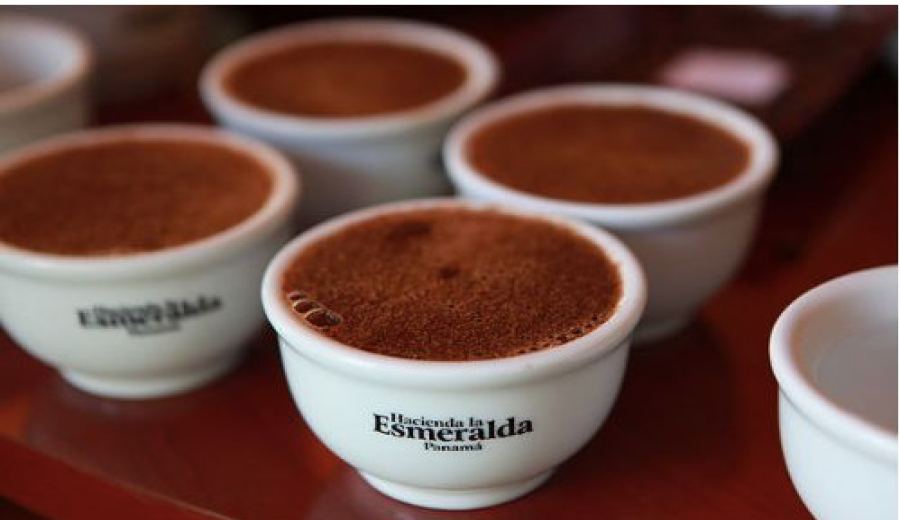
Introduction:Geisha coffee is hailed as a legendary variety in the specialty coffee world. Journeying from the forests of Ethiopia to the international stage of Panama, its unique flavor profile and complex processing methods captivate coffee enthusiasts. This article provides an in-depth exploration of the Geisha variety’s origins, the characteristics of its major global producing regions, and a detailed analysis of the differences among the three grades (Red Label, Green Label, and Blue Label) of Panama’s Hacienda La Esmeralda. It also offers practical pour-over brewing recommendations and flavor profiles, serving as a comprehensive beginner’s guide for coffee lovers seeking to understand and appreciate Geisha.
Geisha coffee, also known as Gesha coffee, is one of the most celebrated varieties in the specialty coffee industry today. Its story began in the Geisha forest of Ethiopia, then traveled through Kenya, Uganda, and Costa Rica, before finally shining brightly at Panama’s Hacienda La Esmeralda. In 2004, it won the Best of Panama (BOP) competition with its exceptional flavor, propelling it into the ranks of the world’s top-tier coffees.
The reason this variety is called "Geisha" stems from the speculation that it originated in Ethiopia’s Geisha region. Its English pronunciation is similar to the Japanese word for "geisha," hence it is also known as "Geisha coffee." Although its name is linked to Japanese culture, its roots are deeply embedded in Africa’s highland coffee gene pool. As the birthplace of coffee, Ethiopia boasts the world’s richest diversity of coffee varieties, with many heirloom types still not fully classified—Geisha being one of them.
The Geisha variety was first discovered in 1931 in Ethiopia’s Geisha region, then sent to the Kenya Coffee Research Institute, before being introduced to Uganda and Tanzania in 1936 and Costa Rica in 1953. It didn’t arrive in Panama until 1970. However, for many years, Geisha did not receive special attention until Hacienda La Esmeralda isolated it from other varieties and elevated it through refined processing and cupping competitions, ushering in the era of Geisha as a premium coffee.
The unique flavor of Geisha coffee is inseparable from its growing conditions. It thrives at high altitudes, typically above 1,400 meters, with the support of fog cover, appropriate shade, and fertile soil. At high elevations, Geisha often exhibits delicate floral aromas, bright acidity, and a tea-like aftertaste. These qualities are perfectly showcased in Panama’s volcanic terrain and microclimates, earning it world-class acclaim.
With the rise of Panamanian Geisha, global efforts to cultivate and study the variety have also emerged, including producers in Colombia, Costa Rica, and even Ethiopia itself. Below, we introduce the characteristics and flavor profiles of Geisha from several major producing regions.
Colombian Geisha Coffee
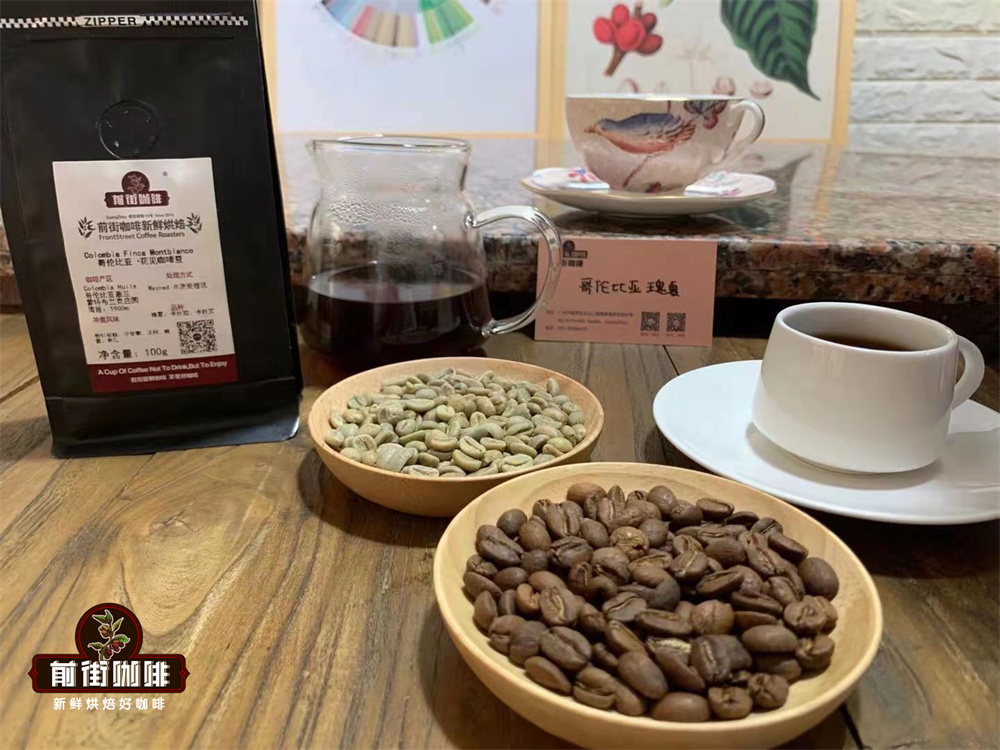
Colombia’s Hanami coffee is a blend of Geisha, Caturra, and Catuai. The farm originally primarily grew Caturra and Catuai, but introduced Geisha in 2016. The first harvest came in 2020, and the coffee officially entered the market in 2021. This batch can be considered the first commercially available Geisha product from the Mont Blanc farm.
Additionally, Colombia’s Hope Farms’ Herrera family introduced Panamanian Geisha as early as 2007. Despite initial challenges, they ultimately won first prize in the Cup of Excellence (COTY) competition organized by the Specialty Coffee Association of America in 2011, proving that Colombia could also produce high-quality Geisha.
Hanami Flavor Profile:Red pepper, chamomile, mandarin orange, honey, almonds.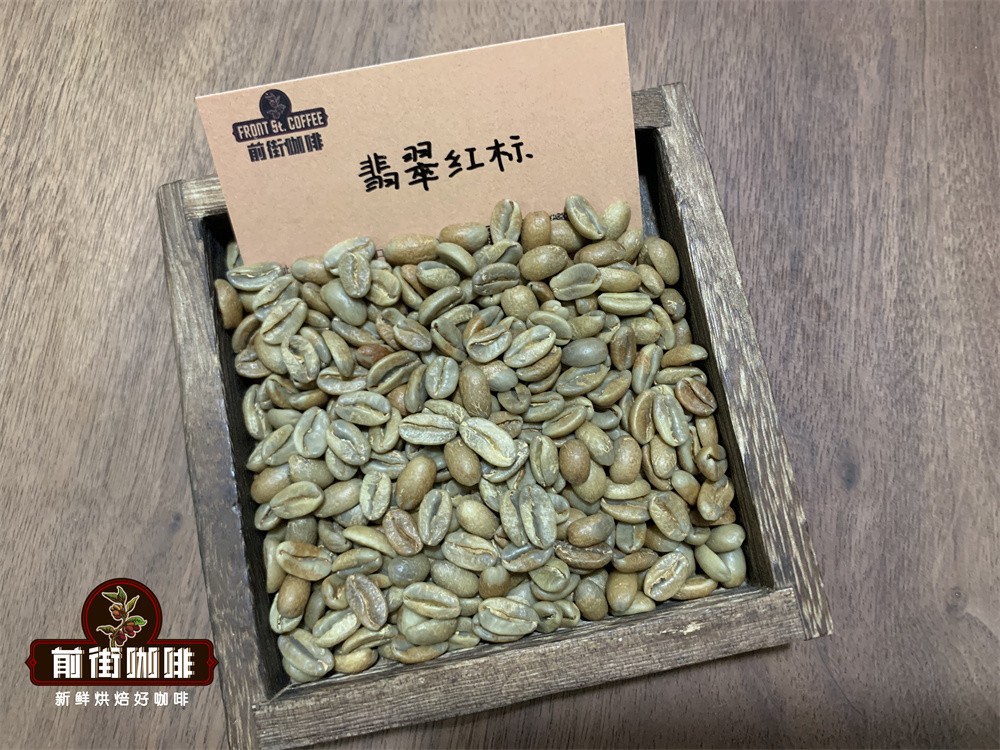
Costa Rican Geisha
Costa Rica introduced the Geisha variety as early as 1953, predating Panama. Although Panamanian Geisha is more famous, Costa Rica’s volcanic terrain, fertile soil, and stable climate are also well-suited for Geisha cultivation. The renowned Miramar Estate’s Geisha blend includes 50% Geisha, combined with ET47, SL28, and MAICO, processed using raisin honey to enhance sweetness and fruit aroma layers.
Miramar Flavor Profile:Jasmine floral notes, strawberry gummy candy, raisin sweetness, nutty creaminess.
Ethiopian Geisha Coffee
As the birthplace of coffee, Ethiopia’s Geisha variety shares the same origin as Panama’s but is mostly exported in the form of "heirloom" due to its smallholder-based production model, making it difficult to identify directly. An exception is the Gesha Village Estate. Since 2008, the estate’s team spent three years searching before finding an ideal planting location at 1,900–2,100 meters altitude, with a tropical rainforest environment and fertile soil. Under the guidance of Mr. Williamson, the estate has achieved repeated success in international competitions.
Gesha Village spans over 400 hectares and features a dedicated washed processing facility and laboratory. Its Geisha flavor is characterized by yellow stone fruits like yellow peaches as the base, with prominent sweetness. Some batches even exhibit toffee-like notes, forming an interesting contrast to the tea-like and floral profiles of Panama’s Hacienda La Esmeralda.
Hacienda La Esmeralda Estate
The story of Hacienda La Esmeralda began in 1964 when American banker Rudolph A. Peterson purchased a farm in Boquete, initially operating a dairy business. It wasn’t until 1987 that his son, Dr. Price, transitioned to coffee farming, introducing Caturra and Catuai. In 1994, a washed processing facility was established, and in 1996, the farm further incorporated Jaramillo, marking the beginning of the Geisha legend.
In 2004, Hacienda La Esmeralda won the BOP competition with high-altitude Geisha from the Jaramillo region, later identified as the Ethiopian Geisha variety. Since then, the estate has focused on developing Geisha cultivation and implementing a strict grading system.
Hacienda La Esmeralda Geisha Grade Classification:
【Red Label Geisha】
Selected from altitudes of 1,600–1,800 meters, with cupping scores above 90, sourced from the Jaramillo and Canas Verdes regions. Red Label typically comes from top-tier micro-lots in independent auction batches. Sun-dried Red Label is especially renowned for its intense floral aromas, citrus notes, and rich acidity, with juicy, layered flavors—a dream choice for Geisha enthusiasts.
【Green Label Geisha】
Not part of auction batches but also grown at 1,600–1,800 meters altitude, this is a micro-lot blend. It retains the classic Geisha floral, citrus, and lemony acidity profile, with a refreshing taste. Available in both washed and sun-dried processing, it offers great value for consumers wanting to experience Geisha on a budget.
【Blue Label Geisha】
Selected from altitudes of 1,400–1,500 meters, this is a blend from the Jaramillo, Canas Verdes, and El Velo regions. Previously only available in washed processing, a sun-dried version was introduced in 2020. Blue Label has a softer profile with subtle floral and fruity acidity. The sun-dried version showcases higher sweetness and berry-like juice flavors.
Note: Starting in 2021, Hacienda La Esmeralda discontinued the Blue Label grade. The subsequent "Volcanica" Geisha appearing in the market is, based on cupping comparisons, similar in flavor to the old Blue Label.
Pour-over brewing recommendations from this coffee shop:
To fully experience Geisha’s multi-layered flavors, it is recommended to use freshly roasted coffee beans (within 5 days of roasting) and follow an appropriate resting period (about 4–7 days). For brewing, use a Hario V60 filter, with water temperature controlled at 90°C, a coffee-to-water ratio of 1:15, and a medium-fine grind (e.g., BG#6S, with 80% passing through a 20-mesh Chinese standard sieve).
Three-stage extraction method:
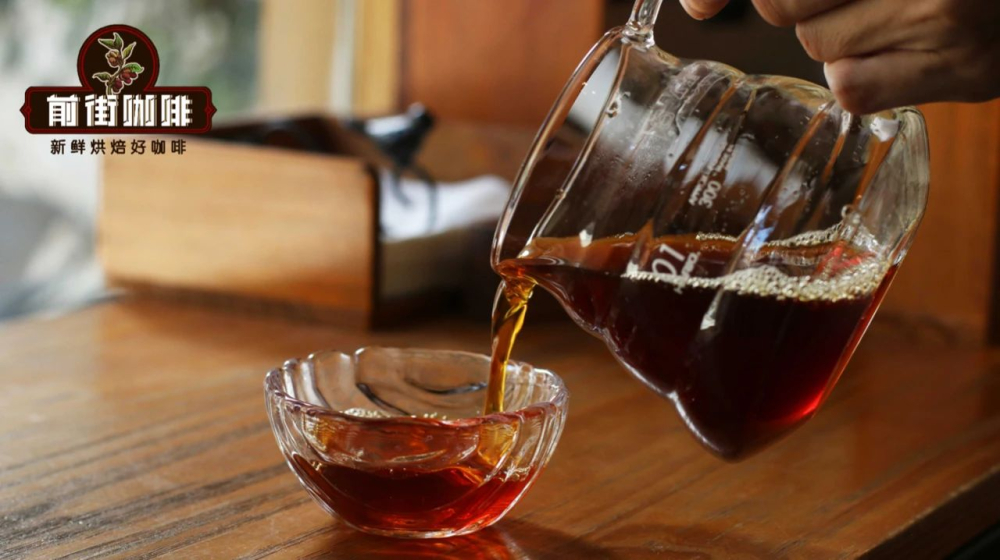
First, pour 30 grams of water for a 30-second bloom, then slowly circle-in water up to 125 grams for the first pour. After the water level drops, continue pouring to 225 grams. Total extraction time is about 2 minutes. Gently shake the filter to evenly distribute the coffee liquid before pouring into the cup.
Flavor Descriptions:
【Sun-dried Red Label】: Rose, citrus, rice, berries, apricot, with intense juiciness, rich layers, and pronounced sweetness.
【Washed Green Label】: Strong jasmine floral notes, high sweetness, with citrus, berries, and a creamy mouthfeel, and a refreshing aftertaste.
【Washed Blue Label】: Gentle lemon and grapefruit acidity, with a sweet aftertaste of oolong tea and honey upon cooling.
【Sun-dried Blue Label】: Pronounced fermentation aromas, high tropical fruit sweetness, refreshingly sweet like juice.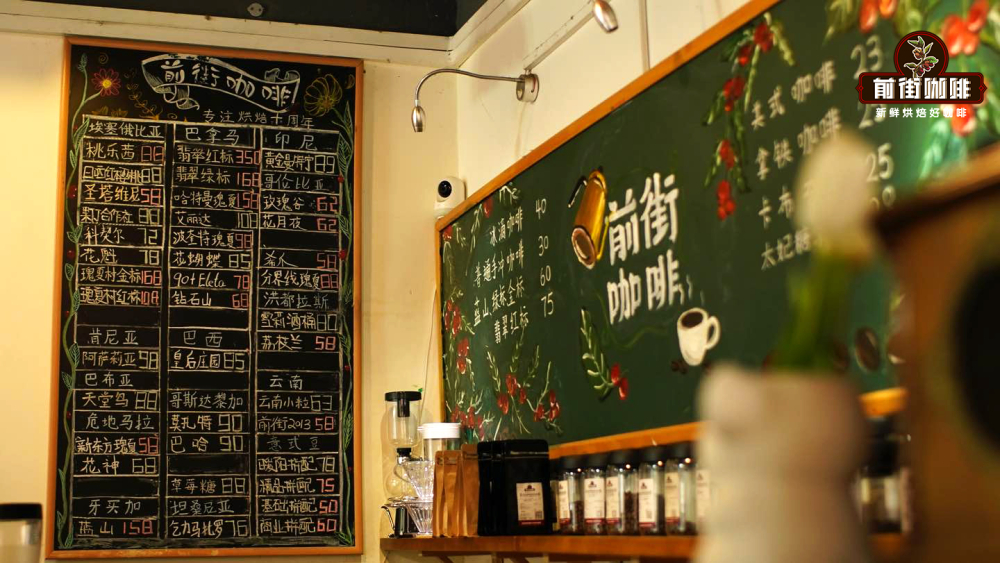
The above content is compiled by CoffeeHunters, a coffee news website.


