








Introduction:Arabica and Robusta are the two most mainstream coffee bean varieties in the world, differing significantly in flavor, origin, and usage. This article provides an in-depth comparison of their distribution, harvesting characteristics, flavor profiles, and suitable contexts, while also introducing the main varieties of Yunnan small-grain coffee such as Typica, Bourbon, and Catimor. It helps you gain a more comprehensive understanding of the cultivation background and characteristics behind commercially available coffee, enabling you to choose beans that better suit your taste.
The two most common varieties in the coffee market—Arabica and Robusta—differ markedly in flavor profile, growing environment, disease resistance, and even consumption purposes. Understanding their characteristics can help coffee enthusiasts select beans that better match their personal taste preferences, and also gain deeper insight into the stories behind coffees from different regions.
In terms of production volume, Arabica accounts for about 70% to 75% of the global market. Major producing countries include Brazil and Colombia, with harvest seasons typically occurring between April and June, or May and September each year. In contrast, Robusta grows quickly, often bearing fruit within 2 to 3 years. Its main producing areas, such as Vietnam and Indonesia, have harvest periods ranging from October to the following April, or concentrated between April and August. Overall, it makes up about 20% to 25% of the market.

In terms of characteristics, Arabica is renowned for its diverse aromatic profiles, often featuring fruity, floral, wine-like acidity, and caramel sweetness. It is especially suitable for pour over or premium single-origin coffee. The beans are oval-shaped, usually with each fruit containing two slightly flattened seeds. The center cut has a slender, slightly curved S-shape. The beans are slender in appearance, dark in color, and compact, making them a classic representation of high-altitude cultivation. Robusta, on the other hand, is mostly grown at low altitudes, offering strong disease resistance but relatively bland flavors. It often exhibits intense bitterness and woody notes, with a notably higher caffeine content, making it suitable for instant coffee or espresso blends to enhance richness.
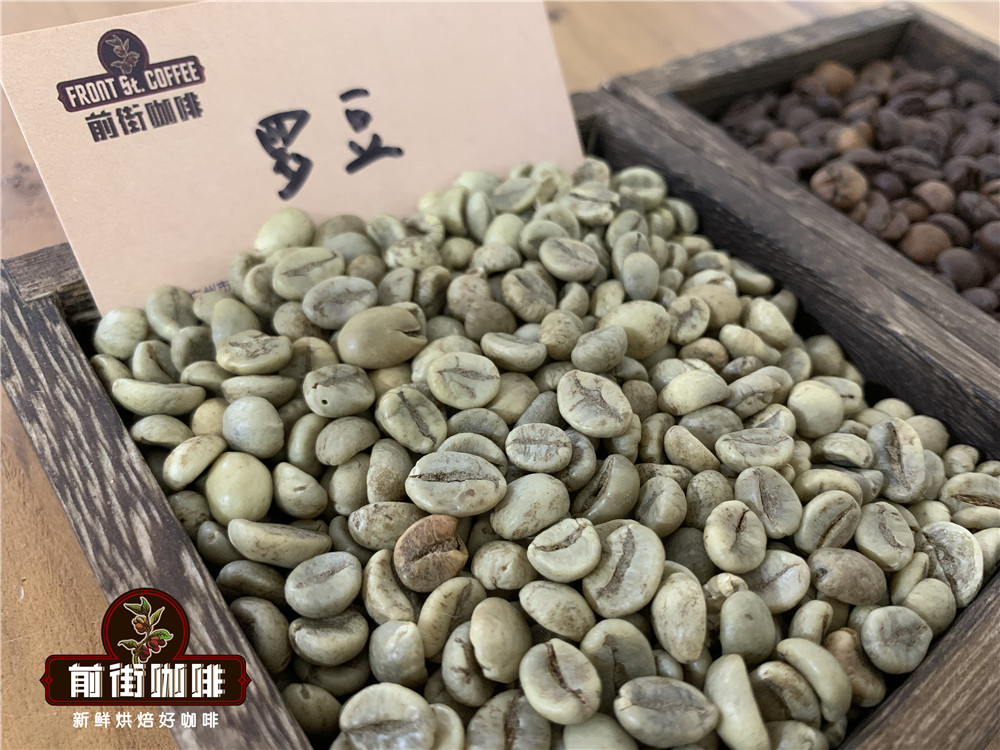
Visually, Arabica beans are smaller and oval-shaped, with regular shapes. The center cut presents a gentle, curved S-shape. They are predominantly grown in the highlands of South America, Africa, and Asia, including small-scale cultivation in Taiwan, China’s Yunnan, and Hainan. Robusta beans are relatively rounder and fuller, with straight center grooves, and often carry a bean-like odor reminiscent of soybeans. Their surface is coarser, with significantly weaker aroma than Arabica, and they tend to develop rubbery or roasted barley-like notes after roasting.
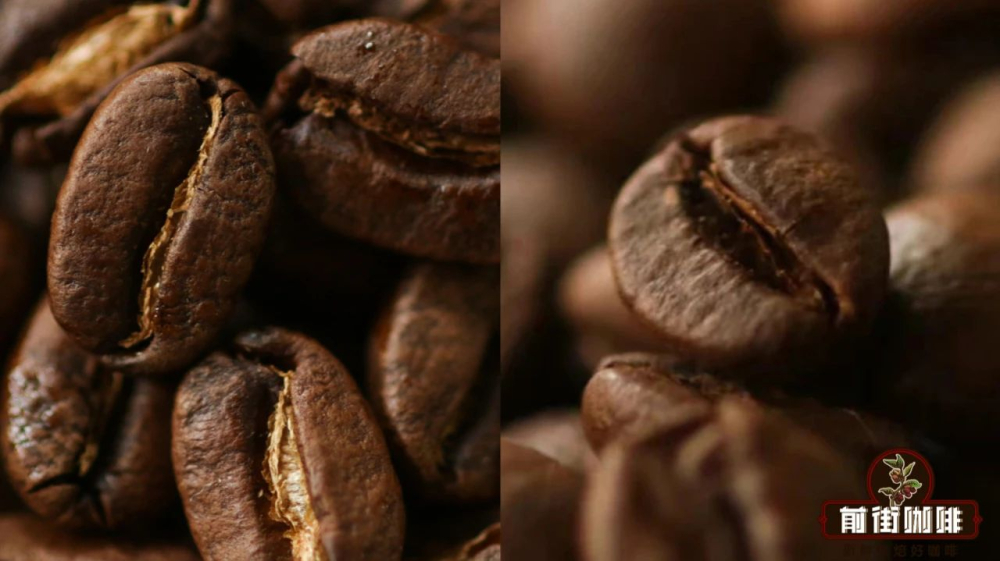
In terms of flavor layers, Arabica offers an extremely broad expressive range. From bright and refreshing medium-to-light roasts that highlight citrus and berry acidity, to dark roasts delivering black chocolate, caramel, and nutty aromas, it showcases great versatility. By contrast, Robusta generally has a flatter flavor, especially those grown at low altitudes, often lacking distinct regional characteristics. If not processed properly, it can easily produce coarse off-flavors such as rubber, peanuts, or burnt notes.
If you wish to experience a blend with a hint of Robusta flavor, consider mixed formula coffees. For example, some espresso blends incorporate Robusta to boost richness and body, adding layers of butter, hazelnut, and caramel. These are especially suitable when paired with milk for lattes or cappuccinos. If you prefer a pure Arabica experience, it’s recommended to choose blends based on a high proportion of Brazilian beans, complemented by selections from Yunnan or other regions, balancing acidity and sweetness with body, and highlighting nutty and chocolatey tones.
When discussing special branches within the Arabica family, Yunnan small-grain coffee cannot be overlooked. As China’s primary coffee-producing region, Yunnan cultivates varieties belonging to Arabica mutations, particularly Typica, Bourbon, and Catimor. Although originating from Africa or Central and South America, these varieties have gradually adapted to Yunnan’s unique high-altitude climate and soil conditions, developing distinctive regional flavors.
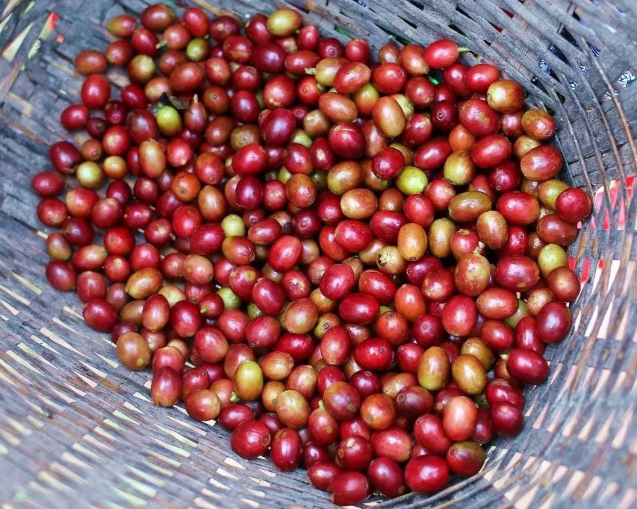
Typica is one of the earliest introduced classic varieties. It features tall plants with copper-colored top leaves. Although it has relatively low disease resistance and yield, its flavor is delicate and layered, making it suitable for various brewing methods. Bourbon is a natural mutation of Typica, with rounder beans, softer acidity, and rich aroma—especially red Bourbon, which often exhibits sweet wine and fruity tones. Catimor, on the other hand, is a hybrid of Arabica and Robusta, boasting higher disease resistance and yield potential, with rich crema. However, its overall flavor purity is slightly inferior to purebred Arabica, with common flavors including nuts, plums, and subtle hints of chocolate.
In summary, Arabica and Robusta each have their strengths, with no absolute superiority. The key lies in selecting varieties and processing methods that align with your personal taste preferences. If you’re a beginner coffee enthusiast, consider starting with single-origin Arabica to explore how different altitudes, processing methods, and roast levels influence flavor. Then, based on your personal taste, try blends with a small proportion of Robusta to expand your flavor experience.
The above content is compiled by CoffeeHunters, a coffee news website.


