







Introduction:Civet coffee, also known as Indonesian civet coffee, is one of the most expensive and talked-about types of coffee in the world. But beyond its natural fermentation and unique flavor, its prestige also stems from the historical shift from wild collection to artificial farming — even sparking debates around animal welfare. This article will take an in-depth look at the civet’s bean selection habits, the differences between traditional and modern processing methods, guide you through the true flavor profile and the realities behind this special coffee, and offer practical brewing recommendations.
Civet coffee is one of the world’s most renowned premium coffees, officially known as “civet coffee.” Its core production area is in Indonesia. Many products on the market that claim to be civet coffee are actually just flavor imitations; only those genuinely from Indonesia possess the original and unique flavor characteristics. This type of coffee shares a similar situation with Blue Mountain coffee — the market is flooded with various counterfeit or name-borrowing products, so consumers should pay particular attention to origin information.
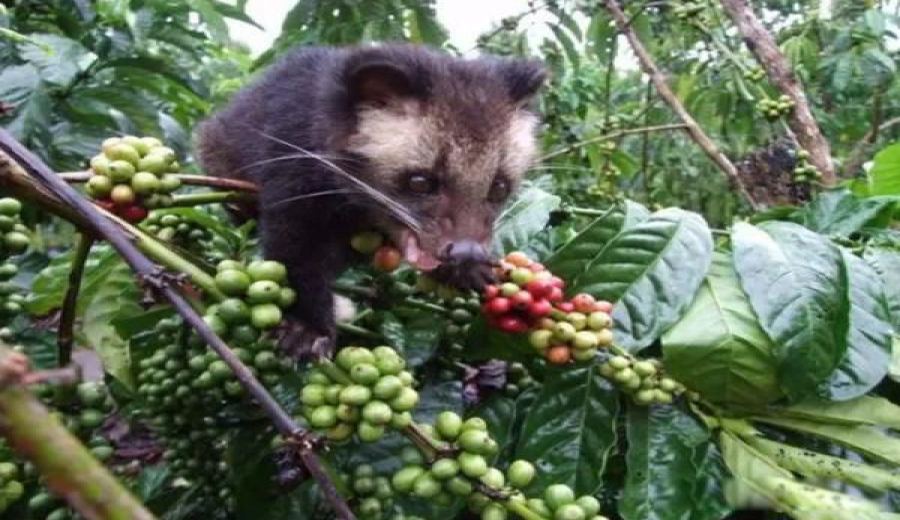
The civet is an omnivorous wild animal native to Indonesia, characterized by its long, pointed snout and dark gray fur. It prefers to pick ripe, sweet, and bright red coffee cherries to eat. After consuming the coffee fruit, the flesh is broken down in the civet’s digestive tract, while the hard coffee beans remain undigested and are excreted in the feces. During the passage through the animal’s intestines, the coffee beans undergo a unique process of “natural fermentation,” which is key to the distinctive flavor of civet coffee.
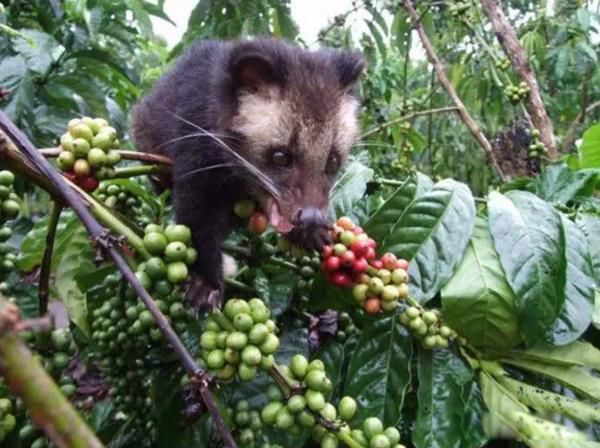
Civets are primarily found in regions including Indochina, northeastern India, Bangladesh, Bhutan, Sikkim, Nepal, and Kashmir, but it is the Sumatran civet found in Indonesia that is the main producer of authentic civet coffee. These animals tend to inhabit mid-to-low altitude mountainous areas below 2,100 meters, such as the edges of tropical rainforests and subtropical broadleaf forests, often seen in rock crevices, tree hollows, and burrows. Because their main activity zones are at mid-to-low altitudes, the coffee cherries they consume are mostly of the Robusta variety, with a very small proportion coming from high-altitude Arabica beans.
Indonesian locals initially discovered by chance that coffee beans digested by civets had a rich and uniquely different aroma and taste compared to regular coffee. As a result, they began systematically collecting civet droppings and selecting the coffee beans within for subsequent processing. Due to the rarity of production and the unique method of natural fermentation, this type of coffee offers a completely different aroma profile and flavor structure compared to typical washed or sun-dried coffee.
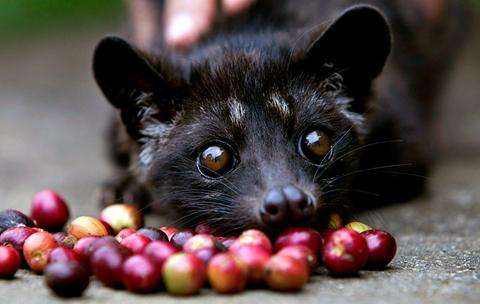
So, what does civet coffee actually taste like? Because civets have a complex diet, primarily consisting of small animals and birds — although they also consume plant-based foods like figs and berries — their ability to digest plants is actually quite limited. Coffee cherries are more like a snack to them, but since they live in regions suitable for coffee tree growth, many of the berries they consume are indeed coffee fruits. Civets can only digest the outer layer of the berries, while the coffee beans are expelled intact. Since most of these come from Robusta varieties grown at mid-to-low altitudes, this kind of coffee often carries pronounced earthy and herbal notes. Meanwhile, due to the special digestive process, the mouthfeel is particularly thick and smooth, resembling a syrupy texture, rich and full-bodied.
However, the traditional wild collection model has gradually been replaced by commercial operations. In the early days, collectors would search the jungles for droppings of wild civets, which were then screened and processed to obtain the precious coffee beans. But due to the scarcity of supply, some merchants began to capture civets on a large scale, confining them in cramped and filthy cages and force-feeding them large quantities of coffee cherries. This practice not only deprives civets of their natural diet but also leads to deteriorated health conditions, resulting in aggression, self-harm, and even death. In fact, physiologically, the time coffee beans stay in a civet’s body is often too short to produce the significant flavor transformation that is widely claimed.
Even more concerning is,that many merchants, in pursuit of profit, not only raise civets in inhumane conditions but also label beans as “civet coffee” even when their source is unclear, leading to a market flooded with low-quality and even counterfeit products. The coffee beans produced by these artificially farmed civets not only differ greatly in flavor from genuine products, but the ethical issues behind them also warrant serious consideration.
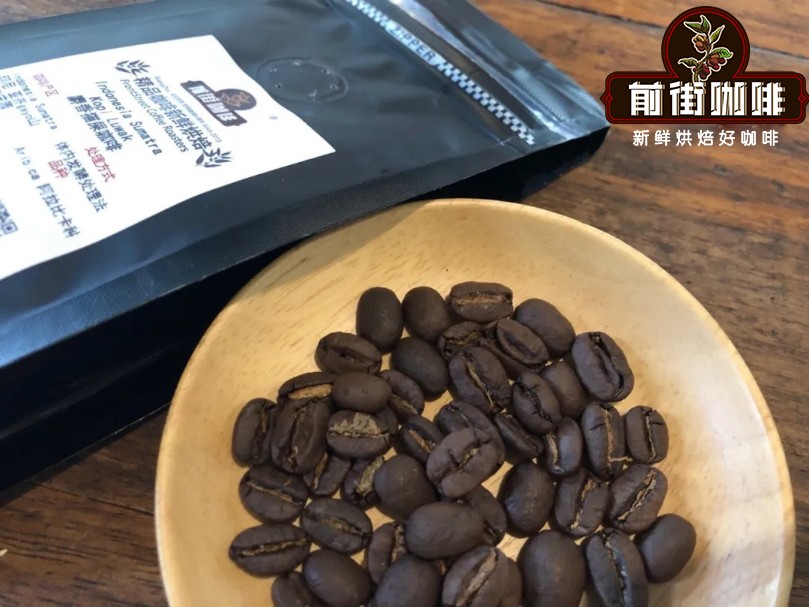
If you still wish to try this highly talked-about coffee, understanding the correct brewing method is also quite important. To fully showcase the unique herbal and nutty characteristics of civet coffee, it is recommended to use beans with a medium-dark roast level. This roast can enhance its rich texture while preserving some of its distinctive aromatic nuances.
In actual brewing, it is recommended to use a KONO filter cone, with a water temperature of 88°C, and a powder-to-water ratio controlled at 1:15 — for example, using 15 grams of coffee powder and pouring 225 grams of water. The grind size is suggested to have about 75% extraction through a #20 sieve, i.e., a medium-fine grind. Use a three-stage extraction method: first, perform a 30-second bloom with twice the amount of water by coffee weight (about 30 grams) to release CO₂ from the coffee grounds, ensuring even and stable extraction afterward; then pour water in small circles up to 125 grams for the first pour, continue until 225 grams, then stop. Once the water has dripped through the filter cone, remove it. The total extraction time is approximately 2 minutes. Finally, it is recommended to gently swirl the brewed coffee before pouring it into the cup to help evenly release the flavors.
In summary, civet coffee, with its unique origin background and natural fermentation process, creates a distinctive flavor profile. However, while enjoying this special coffee, we should also pay attention to the underlying animal welfare and commercial ethics issues. In fact, there are many other origins and varieties in the coffee world that also offer rich and fascinating flavor expressions — such as Panama Geisha, Ethiopian fruit-forward beans, or even local Indonesian Mandheling — all worthy of exploration by coffee enthusiasts. Choosing freshly roasted whole beans and grinding and brewing them yourself allows you to better appreciate the unique charm of each coffee.
The above content is compiled by CoffeeHunters, a coffee news website.


