







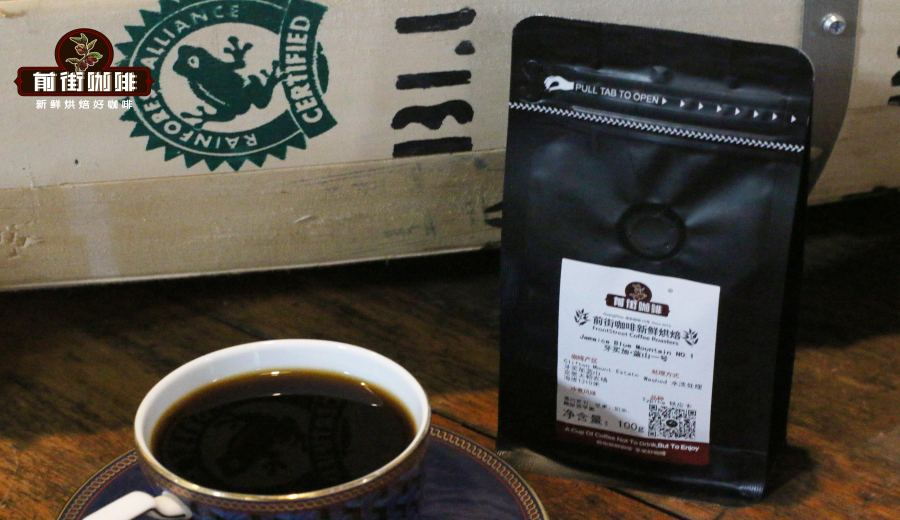
Introduction:Jamaican Blue Mountain coffee is renowned for its rich, smooth taste and is considered a top choice among coffee enthusiasts worldwide. This article delves into the origin background of Blue Mountain coffee, the characteristics of the Typica variety, and its classic flavor profile. It also provides practical pour over brewing tips and recommended ratios for medium-dark roasted Blue Mountain beans to help you master the optimal brewing method and enjoy a balanced flavor with notes of dark chocolate and nuts.
Jamaican Blue Mountain coffee has long been a legend in the specialty coffee world. It comes from the highlands of the Blue Mountains in eastern Jamaica, at elevations between 900 and 1700 meters. Although it doesn’t reach the highest peak of 2256 meters (a protected natural reserve area), it still offers ideal growing conditions. Due to not being at extremely high altitudes, Blue Mountain coffee lacks the pronounced bright acidity seen in high-altitude beans from Central and South America, and instead showcases a unique character of low acidity, richness, and balanced flavors.
Currently, all Blue Mountain coffee on the market falls under the 'Blue Mountain No. 1' grade, which is the highest legal quality classification. For export, Jamaican regulations require the coffee to be shipped in wooden barrels accompanied by certification documents to ensure the authenticity of origin and quality. These strict standards have made Blue Mountain coffee one of the most sought-after and rare coffees in the world.
The main variety grown in Jamaican Blue Mountain is Typica, a historic cultivar that dates back to the early 18th century. Historical records indicate that it was introduced to Martinique by French officers in the 1720s, and then around 7000 seedlings were brought to Jamaica by the island’s governor from Martinique in 1725. After more than two centuries of local adaptation, Blue Mountain Typica has developed excellent disease resistance, particularly against common issues like coffee berry disease, making it a key variety for stable production in the Blue Mountain region.
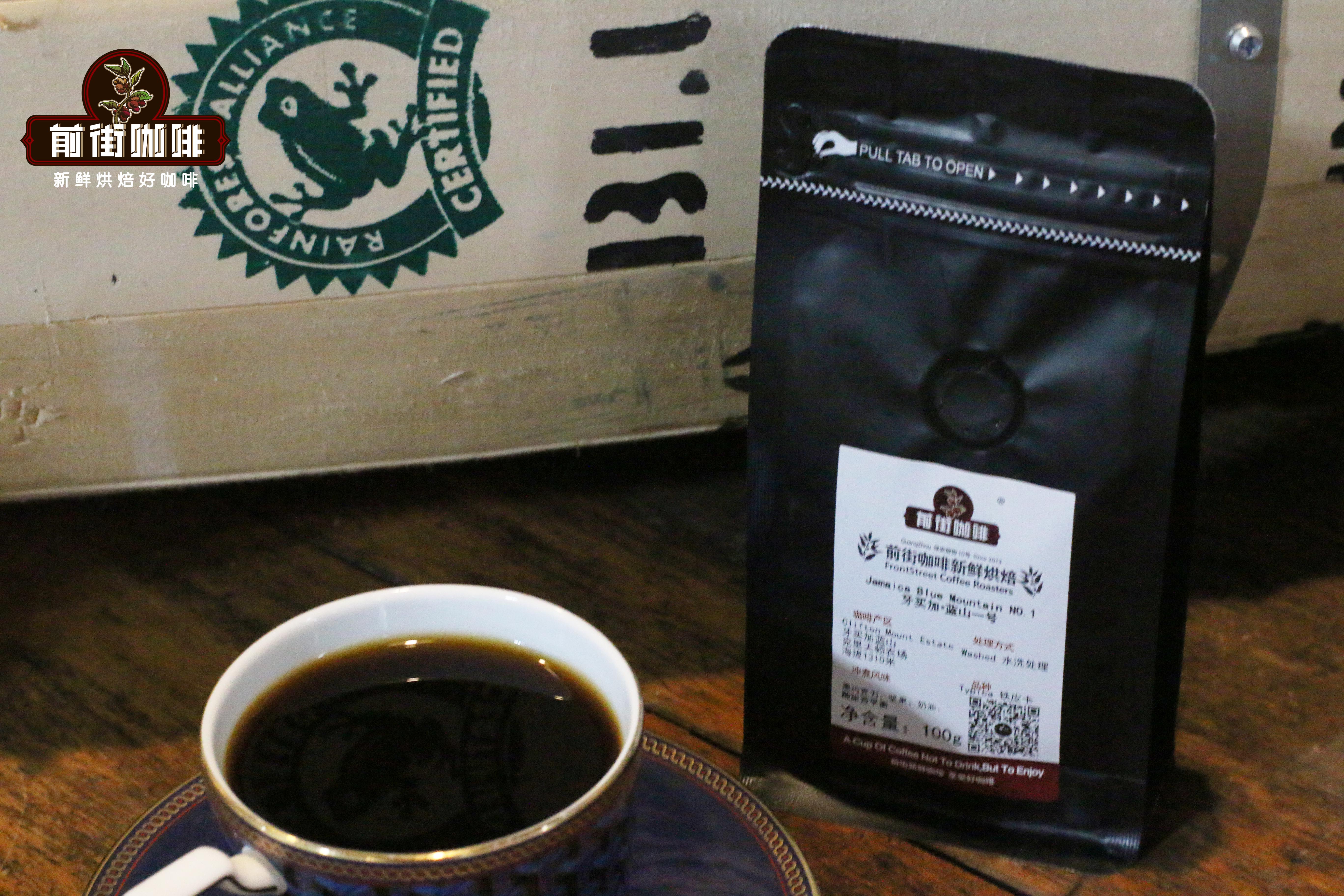
However, Blue Mountain Typica is also highly dependent on its environment—especially high altitude and the local microclimate—which makes it very difficult to replicate the same flavor profile when grown in other regions or at lower altitudes. For this reason, only Typica grown in the Jamaican Blue Mountain region can exhibit that classic trait of rich softness and a well-balanced sweet and acidic profile.
In terms of flavor profile, the most distinct characteristic of Jamaican Blue Mountain coffee is its base note resembling high-purity dark chocolate, often described as tasting similar to dark chocolate with over 92% cocoa content—deep, steady, and profound. At the same time, because it is not grown at extremely high altitudes, there isn’t a significant day-night temperature variation to drive the production of large amounts of acidic aromatic compounds. As a result, the overall acidity is mild and understated, yet it achieves an excellent balance with the rich mouthfeel and subtle fruity acidity.
Many coffee professionals have observed during cupping and actual pour over brewing sessions that usingmedium-dark roastingallows the Blue Mountain coffee to more fully express its layers of dark chocolate and roasted nut aromas, along with delicate caramel undertones. The overall profile is very harmonious, making it approachable and enjoyable for both beginners and seasoned coffee enthusiasts.
If you want to brew Blue Mountain coffee at home that rivals café-quality results, here are practical pour over parameters and process suggestions formedium-dark roasted Jamaican Blue Mountain No. 1 beans. First, it is recommended to use freshly roasted beans, ideally starting to brew them on the5th to 6th dayafter roasting to allow the beans to enter their optimal flavor development period. The grind size is recommended to be set tomedium-coarse, similar in size to coarse sugar granules, or following the standard of approximately70% sieving rateusing a Chinese No. 20 sieve. Water temperature is advised to be controlled between88 to 89°Cto help balance extraction and avoid over-extraction of bitterness.
For equipment, you might consider using a KONO filter cone, which features shorter ribs designed to extend the contact time between water and coffee grounds, aiding in more complete extraction of the coffee’s rich body and aromatic compounds. Regarding brewing ratios, if you prefer a richer, fuller-bodied taste, you can opt for1:13(coffee grounds : water); if you prefer a more balanced and refreshing profile, then the1:15golden ratio is recommended.
In terms of actual brewing steps, it is suggested to use a three-stage pouring method: begin withthe bloom, pouring about30 grams of waterand letting it sit for30 secondsto allow the coffee grounds to degas adequately; then proceed to the second stage by pouring up toabout 125 grams of water, and when the coffee liquid level drops to about halfway, move on to the third stage to add water up to atotal of 225 grams. The entire extraction time should be kept to aroundapproximately 2 minutes and 10 secondsto achieve a smooth and layered mouthfeel.
By using the above parameters and techniques, you will be able to fully experience the dark chocolate and nutty aromas of Jamaican Blue Mountain No. 1 coffee, paired with a silky-smooth texture and a perfectly balanced interplay of acidity, sweetness, and bitterness. It’s a premium flavor experience that even beginner coffee drinkers can easily appreciate.
The above content is compiled by CoffeeHunters, a coffee news website.


