







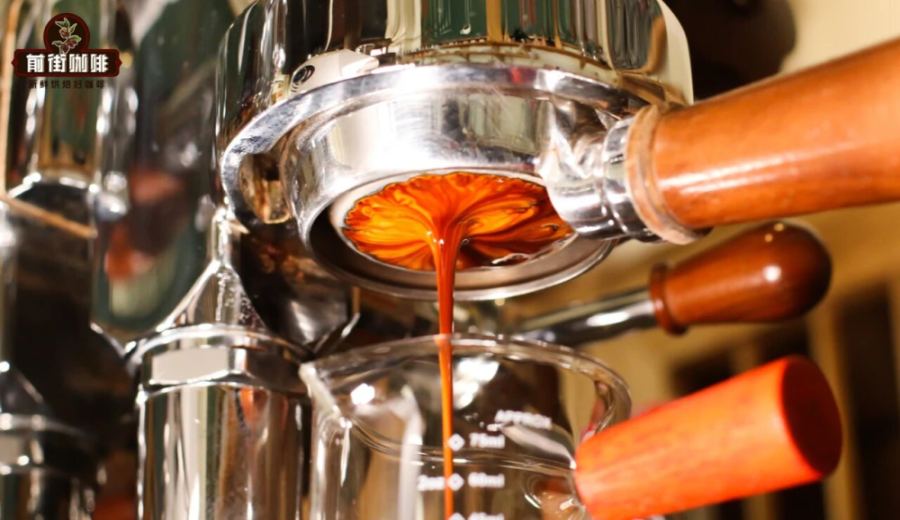
Introduction:Water temperature is one of the most overlooked yet critically important parameters in espresso extraction. The right boiler temperature not only affects flow rate and brew strength, but also directly determines the complexity and balance of the final flavor. This article delves into the relationship between water temperature and extraction efficiency, the difference between boiler temperature and actual brewing temperature, and how to match dose with preset temperature — helping you master the golden water temperature setting for each shot of espresso.
When discussing espresso extraction techniques, many focus on obvious variables like grind size, dose, brew ratio, time, and pressure, but often overlook the profound impact of water temperature on overall extraction performance. In fact, water temperature plays a pivotal role in the expression of aroma, flavor layering, and the strength of the final espresso.
In the past, many espresso machines had preset and non-adjustable boiler temperatures, leading many users to treat it as a fixed value and rely solely on other parameters for fine-tuning. However, with advancements in modern espresso machines — especially mid- to high-end models launched in the last decade — users can now freely adjust water temperature according to their needs, making it a highly flexible variable in the extraction process.
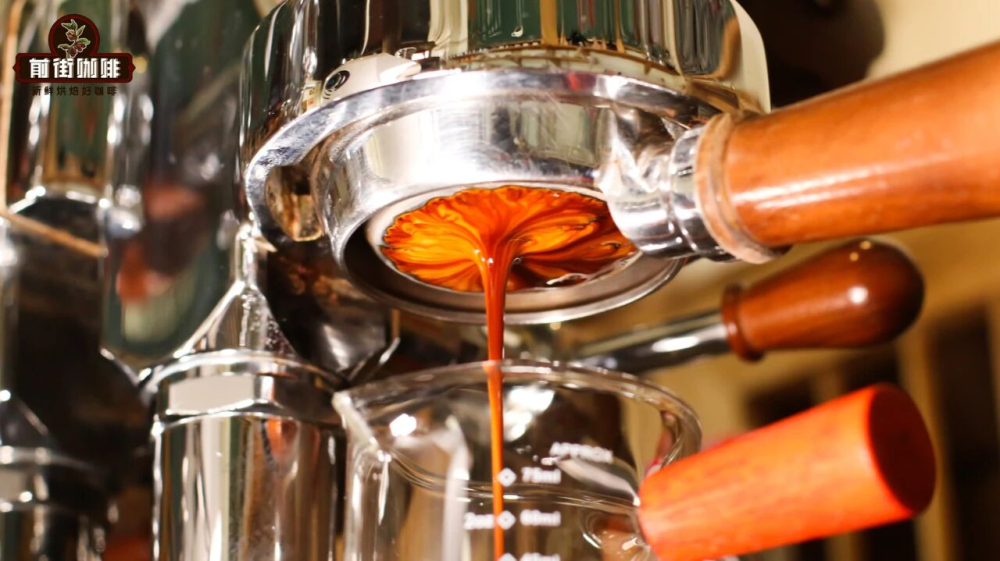
Generally, the optimal water temperature range for espresso machines falls between 85 and 95 degrees Celsius. Many machines are factory-set at a relatively high temperature, commonly between 92 and 96 degrees Celsius. Drawing from pour over experience, we understand that the higher the water temperature, the greater the extraction efficiency — releasing more types of coffee compounds. Conversely, lower temperatures inhibit extraction, resulting in incomplete release of flavor compounds.
The same principle applies to espresso. Setting the temperature too high can easily lead to burnt or woody off-flavors, though high temperatures do help form a richer crema. In the past, many espressos were notably bitter not only due to dark roasts, but also because of high water temperatures and extended extraction times, typically ranging from 20 to 25 seconds. Once the shot runs too long, burnt and woody notes tend to emerge.
On the other hand, if the water temperature is too low, the espresso often becomes overly acidic and lacks sufficient crema, failing to deliver the desired mouthfeel or appearance. As a result, traditional machines rarely set the water temperature below 92 degrees Celsius to ensure stable extraction and a rich crema.
Water temperature not only affects flavor extraction but is also closely linked to flow rate. Higher temperatures usually lead to slower flow rates, whereas lower temperatures accelerate flow. This is because heat causes the coffee puck to expand rapidly and release internal gases, which temporarily impede water flow until a stable crema layer forms. Only then does the flow begin to increase. Notably, the higher the temperature, the more bubbles are generated, increasing resistance to water flow.
Conversely, when the water temperature is low, the coffee puck doesn’t expand sufficiently and gas release is incomplete, reducing flow resistance and speeding up extraction. For example, if you pull a shot when the machine has just started and the water is only about 60 degrees Celsius, the flow will be abnormally fast, likely resulting in under-extraction. Additionally, during high-volume continuous use, if the small boiler can't keep up with water replenishment, the temperature may not recover in time — causing the flow to gradually speed up and extraction to become unstable.
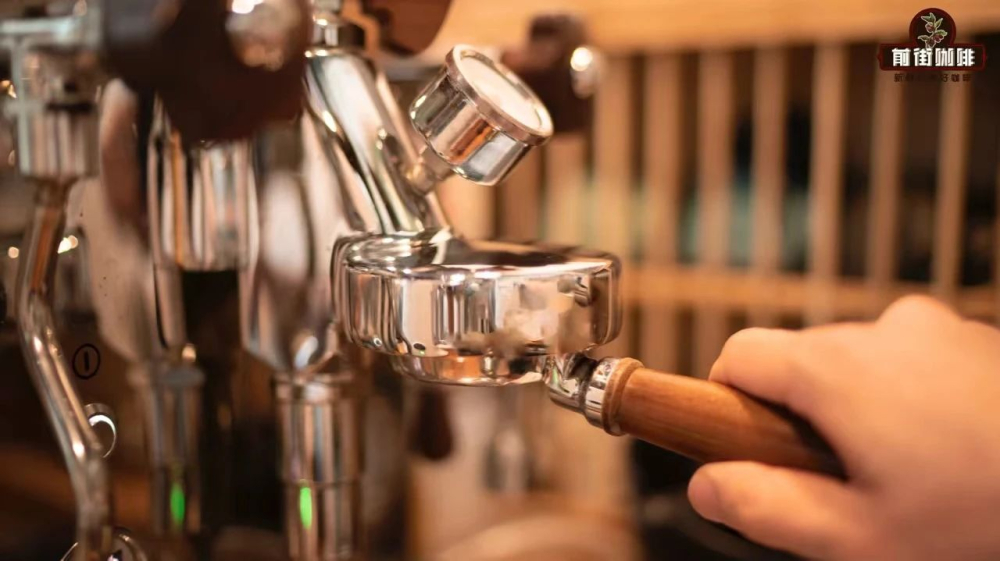
Another common misconception is that "the set temperature is the actual brewing temperature" — but this is not the case. The so-called boiler temperature refers to the temperature inside the machine’s internal water tank, while the water that actually contacts the coffee grounds may change in temperature as it passes through the shower screen and portafilter (basket).
For instance, if more than ten minutes have passed since the last extraction, the shower screen may have been continuously heated and could be hotter than the boiler itself. In such cases, attaching the portafilter and extracting immediately might result in an actual water temperature higher than the set value. Therefore, it’s recommended to run water through the group head for a moment before starting the actual extraction to dissipate residual heat from the shower screen, bringing the temperature closer to the preset value.
Furthermore, the temperature of the portafilter itself also affects the initial brewing temperature. If the portafilter is at room temperature, it will absorb some heat upon contact with hot water, resulting in an actual brewing temperature slightly lower than the boiler setting. Therefore, it’s advisable to preheat the portafilter with hot water before dosing — similar to preheating the filter in pour over. Although some users, for convenience, leave the portafilter attached to the group head for extended periods to “keep it warm,” this practice may disrupt the machine’s overall thermal balance and is generally not recommended.
Moreover, the water temperature during extraction is not constant; it fluctuates slightly over time and with usage frequency, especially under high-load operation — making temperature stability even more crucial.
So, what is the appropriate water temperature setting for daily espresso extraction? According to theoretical assumptions in “The Science of Espresso Extraction,” Italian-style espresso typically uses 7 grams of coffee to produce one ounce of espresso, with water temperature settings mostly between 85 and 91 degrees Celsius. In contrast, American-style espresso prefers 18 to 21 grams of coffee with different brew ratios, and the water temperature range is generally set between 92 and 96 degrees Celsius.
The book further illustrates with a hypothetical experiment: mixing 30 grams of water at 88 degrees Celsius with 7 grams of coffee at 27 degrees Celsius, versus mixing 38 grams of water at 95.3 degrees Celsius with 21 grams of coffee at 26.7 degrees Celsius — both result in a final mixture temperature of 82.8 degrees Celsius. This experiment reveals a key point: coffee grounds absorb heat, and the more coffee used, the more heat is absorbed. Therefore, when using larger doses, the preset water temperature must be increased to achieve the ideal brewing temperature.
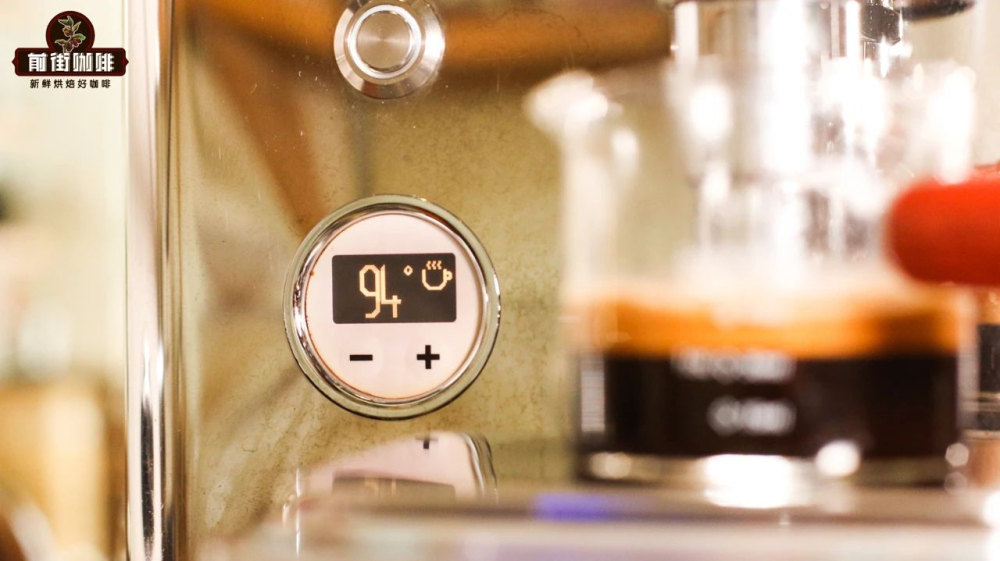
Combining these experimental insights with practical experience, most baristas today using the American-style larger dose approach (around 18–21 grams) recommend setting the water temperature between 92 and 96 degrees Celsius to ensure balanced flavor, full extraction, and a rich crema.
Of course, water temperature is just one of many factors influencing espresso flavor. The choice of coffee beans, roast level, and recipe ratio are equally critical. If you prefer a rich, aromatic cup, consider selecting a dark-roasted blend combining beans from multiple origins. Such beans not only highlight chocolatey and nutty profiles but also yield a dense, long-lasting crema — making them ideal for both Americanos and lattes.
The above content is compiled by CoffeeHunters, a coffee news website.


