







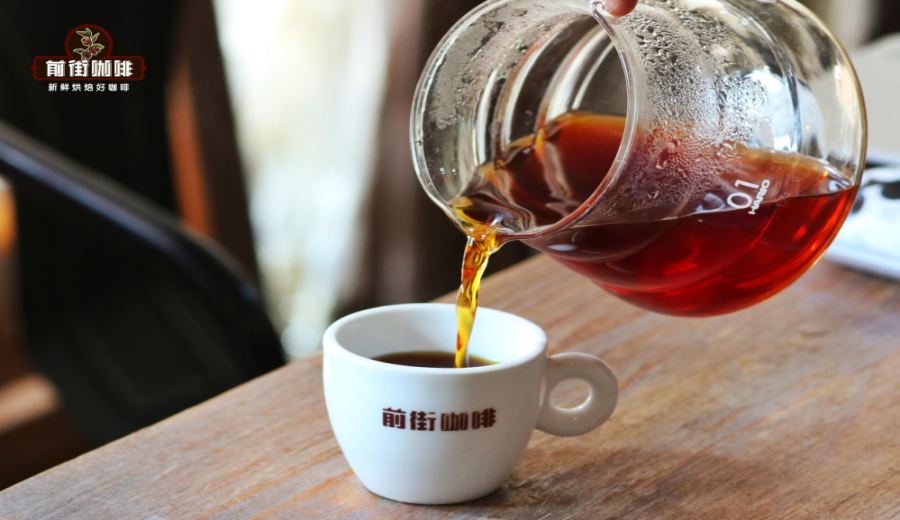
Introduction:As Ethiopia’s most iconic specialty coffee region, Yirgacheffe is renowned for its distinctive citrus acidity and floral-fruit aromas. This article delves into the characteristics of Yirgacheffe’s native varieties, the flavor differences between washed and natural processing methods, and answers the common question of whether pour-over brewing results in overly sour coffee. It also provides practical brewing recommendations—medium-fine grind, 90–91°C water temperature, V60 filter, and a 1:15 coffee-to-water ratio—to help coffee enthusiasts master the brewing techniques for this classic bean.
In the world of specialty coffee, Yirgacheffe has long been a memorable representative of the region. This Ethiopian coffee sanctuary captivates countless coffee lovers with its bright citrus notes, delicate floral aromas, and honey-green tea-like finish. Especially for younger consumers who prefer a refreshing taste, Yirgacheffe feels as light as a fruit tea, making it a top choice for everyday enjoyment.
Yirgacheffe is actually a high-altitude town within Ethiopia’s Sidamo region, with cultivation altitudes ranging approximately between 1,700 and 2,100 meters. The area’s climate, water resources, and mineral-rich soil create clean and clear flavors in the coffee beans, along with multi-layered taste profiles. Moreover, the commonly used washed processing method here further enhances its fresh characteristics, making the acidity brighter yet well-balanced.
Most Yirgacheffe coffee beans belong to what is called ‘Heirloom (native variety).’ This term does not refer to a single variety but broadly encompasses numerous wild and traditional hybrid coffee strains in Ethiopia. Since Ethiopia is considered the birthplace of coffee, the native varieties are numerous and have long been cultivated through natural crossbreeding, making variety traceability extremely difficult. As a result, the industry typically uses the term Heirloom to collectively refer to these hard-to-classify varieties. Interestingly, this diversity of varieties is the key reason why Yirgacheffe can exhibit such rich fruit acidity and floral notes, as if nature itself had crafted the perfect blend.
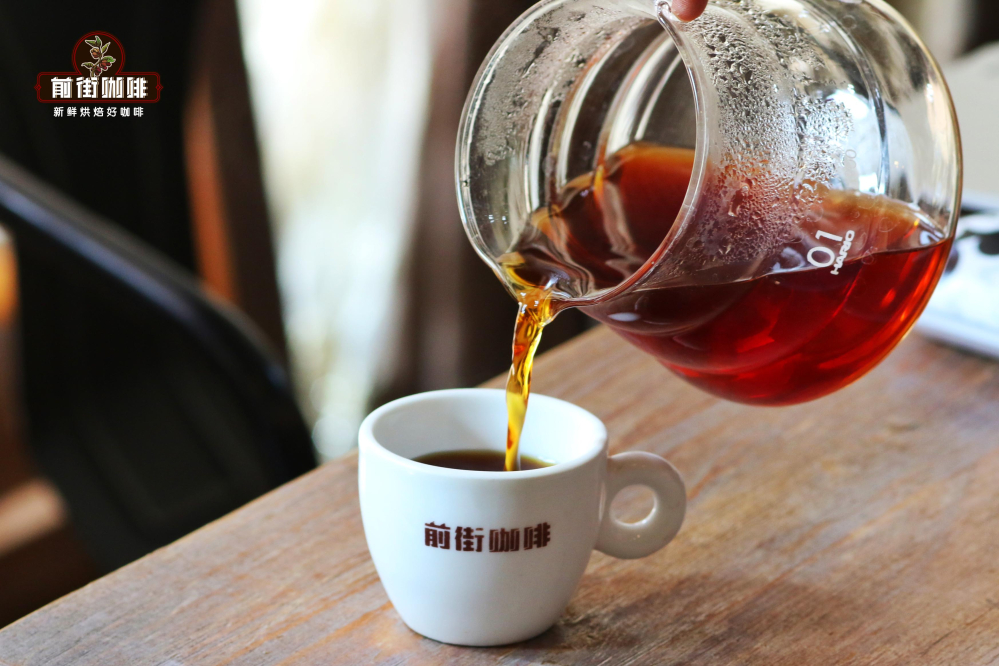
Many beginners who try Yirgacheffe for the first time often hear that this bean is ‘very sour,’ which may cause hesitation. However, in reality, as long as the roast level and brewing method are appropriate, its acidity is not as sharp as imagined. Compared to the straightforward acidity of juice, Yirgacheffe’s acidity is more like lemon juice softened by green tea—refreshingly bright while also carrying tea-like nuances and a silky aftertaste, with a rich and harmonious overall flavor profile.
Currently, Yirgacheffe on the market can be divided into two main processing methods: washed and natural. Washed Yirgacheffe typically has a clearer, brighter flavor, with delicate acidity and prominent floral and citrus notes; whereas natural processing enhances the fruitiness, highlights the sweetness, and results in a richer, more full-bodied flavor. Both have their unique merits and suit different preferences.
If you want to try pour-over brewing Yirgacheffe at home, consider the following battle-tested parameter settings: use a medium-fine grind (about the size of fine sugar grains), control the water temperature between 90 and 91°C, pair it with a V60 filter, and extract using a 1:15 coffee-to-water ratio. This combination can fully bring out the delicate acidity and floral-fruit aromas of Yirgacheffe while maintaining an overall balanced flavor.
In practice, it’s recommended to start by pouring 30 grams of water for a 30-second bloom to awaken the coffee grounds; then pour about 95 grams of water (total weight on the scale around 125 grams), keeping the time around 1 minute; when the water level drops to about two-thirds of the coffee bed, pour the remaining 100 grams of water (total weight around 225 grams), completing the pour within about 1 minute and 35 seconds. The total extraction time is around 2 minutes and 10 seconds, and you can enjoy the coffee once the V60 has finished dripping. This process helps stabilize flavor extraction and avoids over-extraction or excessive sourness.
In summary, the charm of Yirgacheffe lies in its diverse yet harmonious flavor profile. Whether it’s the refreshing floral-fruit notes of the washed version or the rich sweetness of the natural one, it can bring different surprises to coffee lovers. As long as you master the appropriate roast level and brewing techniques, this classic regional coffee bean is definitely worth adding to your daily drinking list.
The above content is compiled by CoffeeHunters, a coffee news website.


