







Introduction:Every year on April 22nd, Earth Day, Starbucks’ free coffee promotion for customers who bring their own cups always attracts significant attention. From its early days of enthusiastic participation, to later evolving into a coupon-snatching event, and then returning to its original intent in 2022, what environmental philosophies lie behind this campaign? Beyond free coffee, what other noteworthy sustainable practices exist within the coffee supply chain? This article will take you deeper into the topic and provide practical suggestions for eco-friendly actions.
Each year on April 22nd, Starbucks’ Bring Your Own Cup for Free Coffee campaign has consistently become a hot topic. From the enthusiastic consumer response in 2017, to it gradually transforming into a coupon-based event in subsequent years, and then reverting to the simplified rule of “just bring your own cup” in 2022 — these changes reflect not only adjustments in marketing strategy but also the company’s growing emphasis on and commitment to environmental issues. This article will take you through the evolution of this initiative and explore in depth the environmental challenges and responses throughout the coffee journey from cultivation to consumption.
Going back to 2018, Starbucks introduced merchandise made from DuPont Tyvek material, showcasing its attempt at using sustainable materials. The 2019 Earth Day campaign returned to a simple rule: customers who brought their own cups could get a free medium-sized drink during specified time slots. However, in 2020, the format changed drastically — participants had to join a livestream the day before Earth Day to grab a coupon, which could then be redeemed the next day for a free medium oat milk latte. Many netizens felt the bar had been raised too high and the event had become “stingy,” while Starbucks explained it was to avoid crowding and reduce pandemic risks.
The 2021 campaign added even more hurdles, requiring participants to complete designated tasks to qualify for free coffee, gradually dulling the enthusiasm of even the most passionate fans and even leading some to wonder if Starbucks’ Earth Day free coffee would continue in the future.

As the campaign failed to replicate the 2017 fervor between 2019 and 2021, Starbucks decided in 2022 to return to its original model — “bring your own cup to get a designated medium drink during specified hours.” Surprisingly, this move immediately garnered an enthusiastic response, with related topics even trending on social media, showing that consumers still greatly value straightforward and simple eco-friendly initiatives.

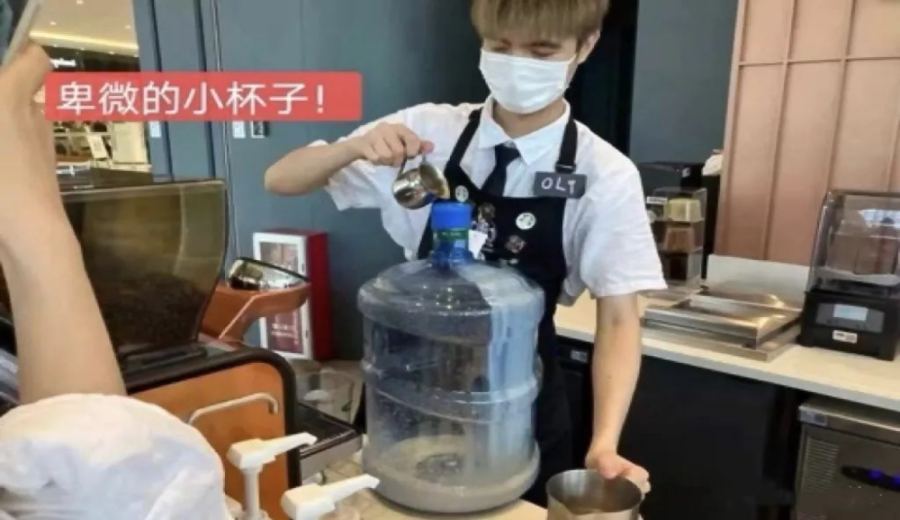
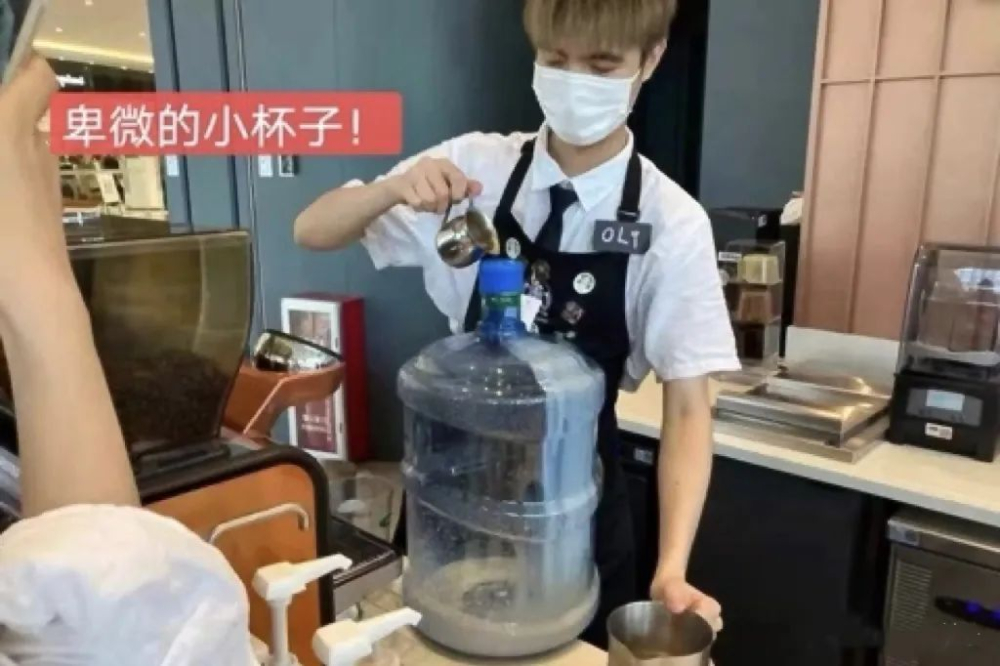
Photos from the event showed a gathering of all kinds of containers — from buckets and thermoses to oversized goblets — creating a lively scene. But no matter how large the container, Starbucks provided only 355 milliliters of coffee. If you spotted someone leaving with a huge cup filled to the brim, chances are they had paid extra for it themselves.
Speaking of the campaign’s original intention, it wasn’t merely to hand out free coffee, but to promote reuse and reduce single-use plastic items through the simple act of “bringing your own cup.” April 22nd is Earth Day, a holiday that originated from 1970s American campus environmental movements and has since grown into a globally recognized day for environmental advocacy. As a leading international brand, Starbucks naturally responded actively by encouraging customers to bring their own cups and reduce the use of plastic straws and disposable cups.

Beyond the Earth Day campaign, Starbucks in China has also participated in other environmental initiatives such as Earth Hour. Starting in 2022, nearly 1,000 stores in Shenzhen and Shanghai, along with the Starbucks Delivers platform, went a step further by completely phasing out plastic straws in favor of specially designed strawless sipping lids; customers who still need straws are offered more eco-friendly paper alternatives.

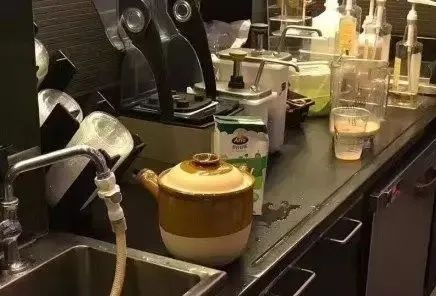
Environmental issues in the coffee industry actually span the entire supply chain. At the cultivation stage, Arabica coffee often has limited yields and is susceptible to pests and diseases. In the 1990s, some farmers, in pursuit of higher yields, overused chemical fertilizers and pesticides, which not only disrupted ecological balance but also led to soil degradation and a decline in coffee quality. In subsequent processing stages, washing and fermenting the beans often require substantial amounts of water, posing another sustainability challenge.

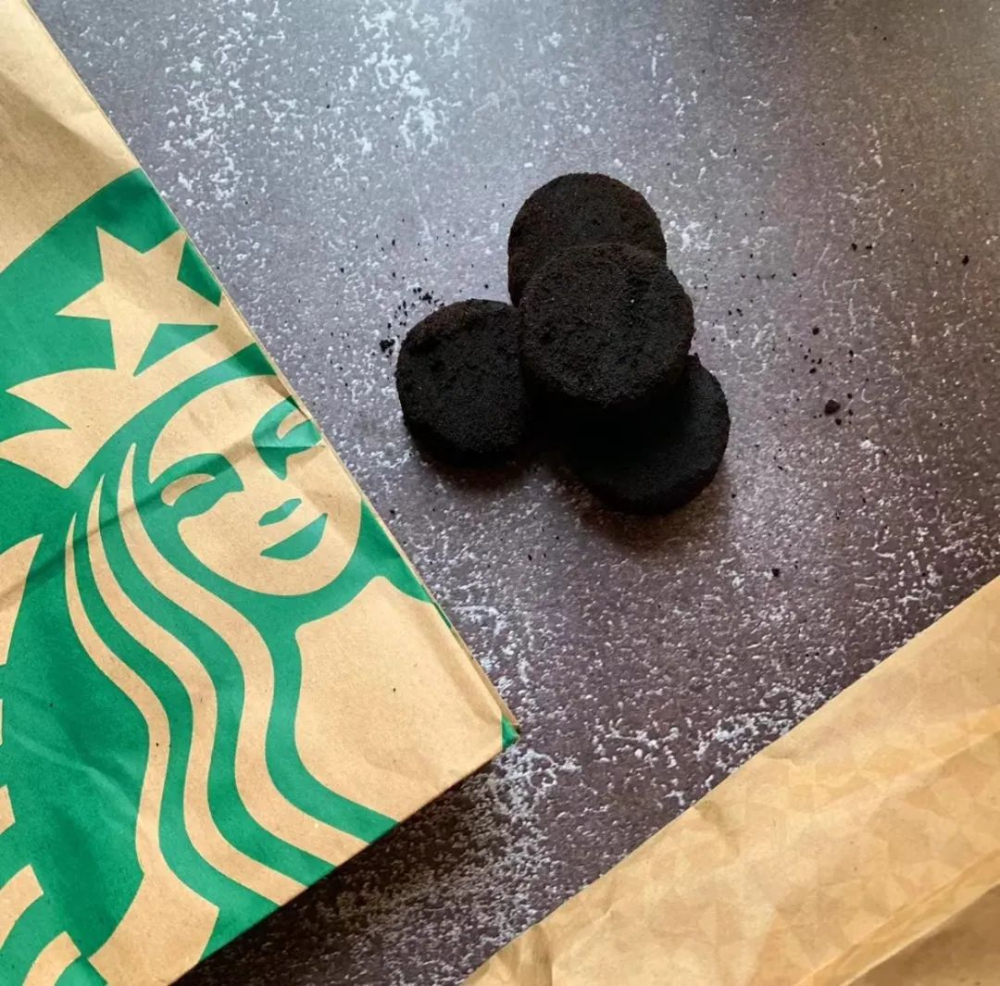
In our daily coffee consumption, we also frequently encounter various hard-to-decompose plastic products — such as disposable cups, straws, coffee capsule shells, and used coffee grounds. Yet these problems are not without solutions. Major instant coffee producers like Nestlé have switched their capsule materials to all-aluminum, significantly improving recyclability. Meanwhile, many companies and innovation teams are working on reusing coffee grounds — from natural fertilizers and fuel sources to even creating materials for clothing and batteries — demonstrating a wide range of possibilities.

For the average consumer, practicing sustainability is not difficult. Bringing your own travel cup when buying coffee or refusing single-use straws are simple yet effective actions. These small habits not only help reduce waste but also support broader efforts towards sustainable practices.

The next time you pick up your free morning coffee, why not ask yourself: can I continue bringing my own cup in the future and contribute to environmental protection? While the flavor of coffee is undoubtedly important, sustainable consumption choices are equally worthy of our attention and practice.
The above content is compiled by CoffeeHunters, a coffee news website.


