








Introduction:Cold brew coffee is not only refreshing and thirst-quenching, but also a great money-saving DIY option. Store-bought cold brew tends to be pricey, but by mastering the right brewing parameters and methods, you can easily make high-quality cold brew at home. This article provides an in-depth comparison of two common brewing methods — ice drip and cold steeping — covering key elements such as coffee-to-water ratio, grind size, brewing time, and water temperature control. It also includes real-tested flavor data to help you find the cold brew method that best suits your taste.
Making cold brew coffee at home not only allows you to enjoy a cooling beverage but also significantly reduces purchasing costs. A cup of cold brew from a café can cost dozens of yuan, while making it yourself requires only a small amount of coffee beans. One pound of coffee can often yield multiple batches, with each serving around 500 milliliters — economical and practical. Cold brew methods mainly fall into two categories: one is the cold steeping method, which involves soaking coffee grounds in cold water for a long time, and the other is the ice drip method, where ice water slowly drips through the coffee. These two methods differ significantly in equipment requirements, ease of use, and final flavor profiles.
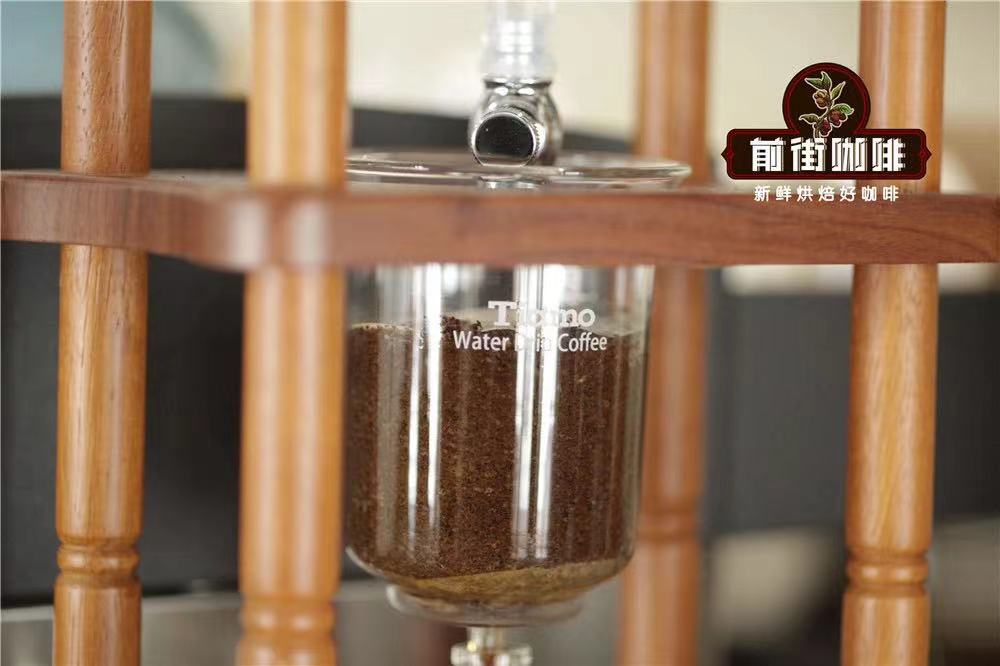
First, let’s understand how to make ice drip coffee in practice. Taking a common shop-style method as an example, it uses 60 grams of coffee grounds with a medium-coarse grind passing about 85% through a Chinese Standard No. 20 sieve. The coffee-to-water ratio is controlled at 1:10, and the overall brewing time is approximately 6 to 8 hours, yielding about 600 milliliters of coffee. Here's the specific step-by-step process:
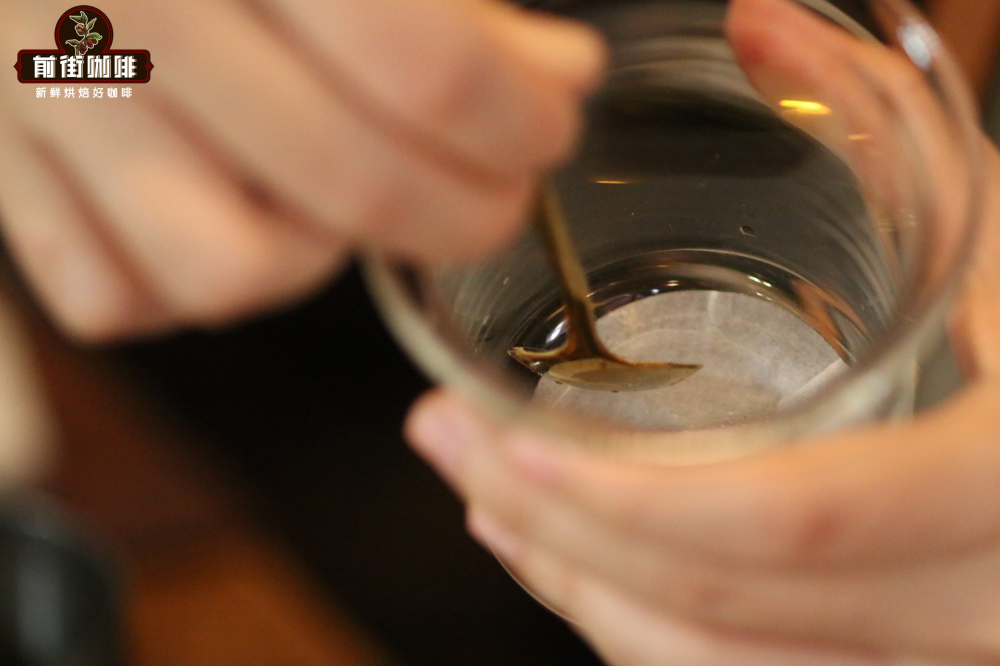
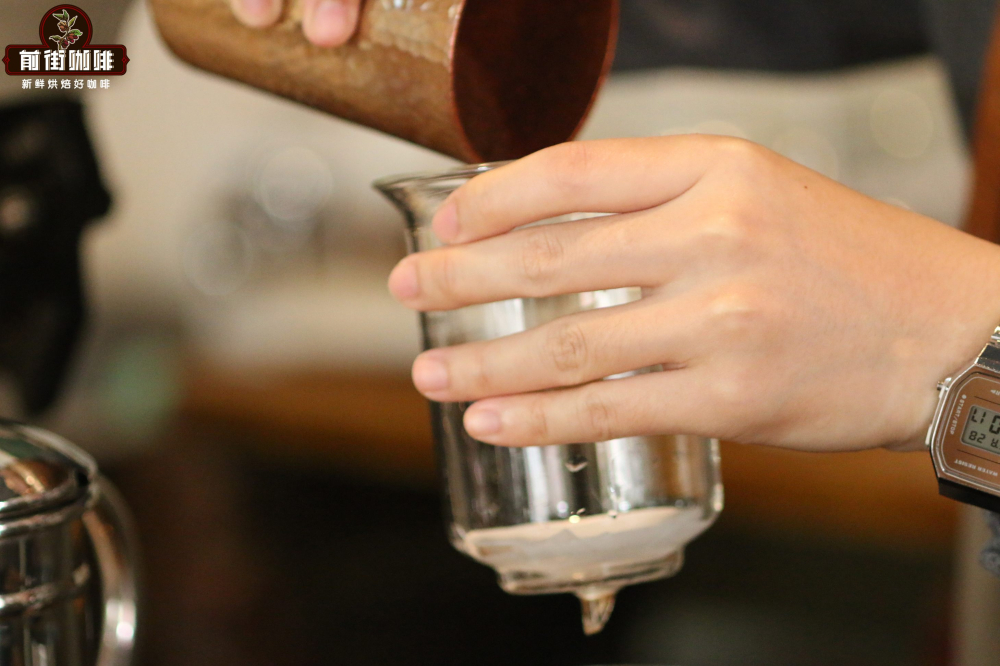
Step one: Place a round filter paper at the bottom of the coffee chamber and lightly moisten it with room-temperature water. This helps with filtration and prevents fine particles from passing through. Step two: Pour the pre-ground coffee into the coffee chamber, then evenly press it flat using a weight similar to a coffee tamper to ensure a smooth and compact coffee bed. This promotes stable water flow penetration.

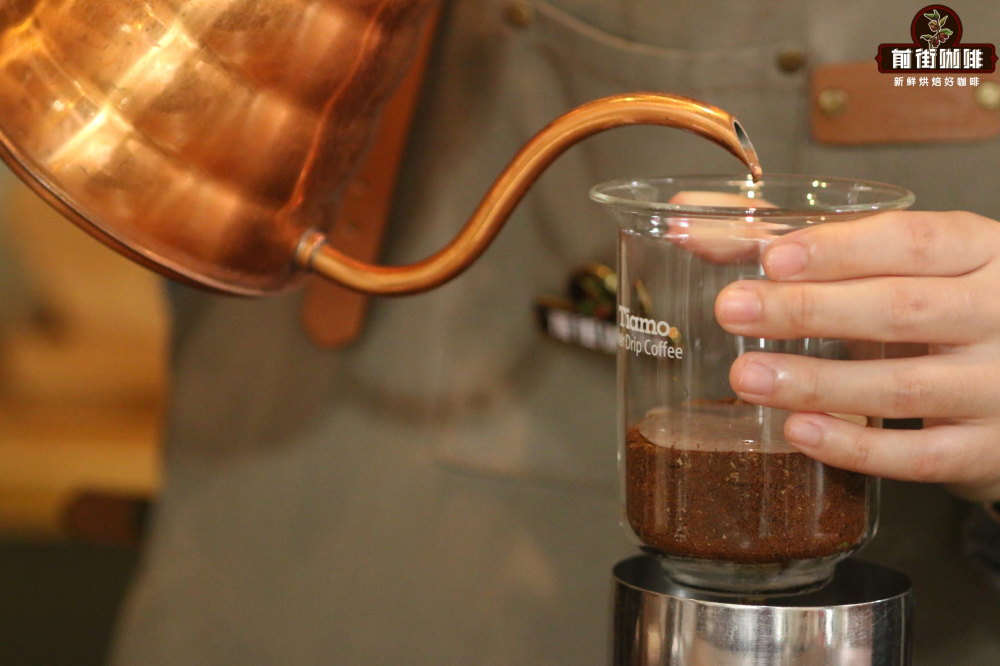
Step three: Cover the coffee grounds with another filter paper to prevent the coffee bed from collapsing or forming noticeable channels due to prolonged dripping. Step four: Pour a small amount of room-temperature water first to pre-wet the grounds, helping them absorb water and initiate extraction. Step five: Add a mixture of ice and water in a 1:1 ratio to the top water reservoir to maintain a low brewing temperature throughout the process.
Step six: Adjust the drip valve so that approximately seven drops fall every 10 seconds, maintaining a steady flow rate. Step seven: Wait quietly for 6 to 8 hours, allowing the coffee grounds and ice water to interact fully. After brewing, it’s recommended to transfer the coffee liquid into a sealed container and refrigerate it overnight to stabilize the flavor and allow any residual sediment to settle.
Coffee brewed with this ice drip method usually has a smoother and richer mouthfeel, and it better showcases the intrinsic characteristics of the coffee beans, especially appealing to those who prefer bright acidity and distinct flavor layers. For example, a coffee bean from the Thika region of Kenya, grown at altitudes between 1550 and 1750 meters, of the SL28 and SL34 varieties, and processed using the K72 washed method, is very well-suited for ice drip. This bean is often nicknamed “Kenyan Cherry Tomato.” It has a clean flavor profile, vibrant acidity, and a bright initial taste reminiscent of cherry tomato acidity. The mid-palate brings a fresh note akin to grapefruit peel, and the finish carries berry aromas along with caramel sweetness.
If you don’t have specialized ice drip equipment at home, the cold steeping method is a more convenient alternative. The usual approach is to place pre-ground coffee (you can ask your local café to grind it for you to save time and avoid buying equipment) into a dedicated tea bag or directly into a filter pouch, simplifying the entire process. Here’s how to do it: First, place the cold brew coffee pouch into the brewing container, leaving the attached string handy for removal. Then, pour in 100 milliliters of room-temperature or cold water, keeping the coffee-to-water ratio at 1:10 — though this can be adjusted to personal taste. Gently shake to evenly wet the coffee grounds. Next, place the container in the refrigerator and let it steep for 8 to 12 hours. After steeping, remove the pouch, give the liquid a stir, and it’s ready to drink.
Regarding the steeping time for cold brew, past experimental data shows that when testing the same coffee beans, grind size, and coffee-to-water ratio, extraction results were evaluated at 4, 8, 12, and 24 hours. Each time frame exhibited unique flavor characteristics. Coffee steeped for 4 hours generally had a thinner mouthfeel. Although the initial aroma was prominent, the aroma tended to dissipate after refrigeration, and this group had the lowest extraction yield, with some flavors not being fully released.
Coffee steeped for 8 hours offered a fresher and cleaner flavor profile, with slightly more complexity than the 4-hour group but still somewhat simple and lacking depth. At 12 hours, the flavor layering became noticeably richer, with more delicate notes from the coffee beans emerging, including some inert compounds that are usually harder to extract. The overall profile was more nuanced.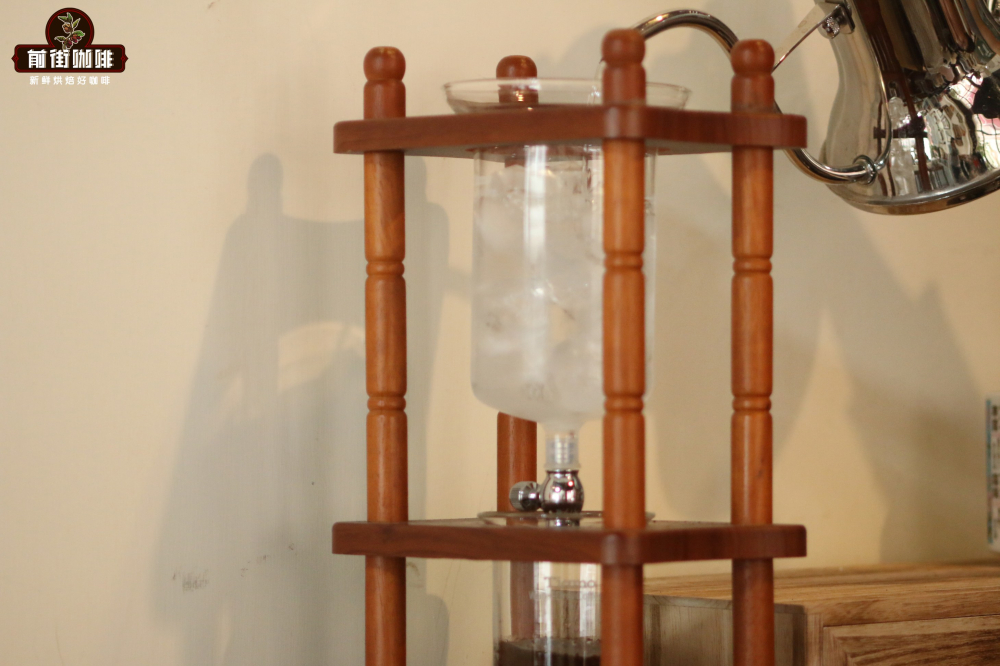
Coffee steeped for 24 hours showcased the most intense and complex flavor profile, with all aromatic and flavor compounds fully released. The water saturation was high, resulting in a richer body and more pronounced bitterness. However, when all groups were refrigerated and fermented for a day before tasting, the 12-hour group was still considered the most balanced, with the most intact and well-preserved flavors.
Overall, the length of cold steeping time directly affects the final concentration, sweetness-acidity balance, and flavor complexity of the coffee. It’s recommended to adjust flexibly based on personal preference and the characteristics of the coffee beans used. Additionally, regarding the steeping environment — should you choose room temperature or refrigeration? The answer clearly leans toward the latter. Water temperature is one of the key factors influencing coffee extraction efficiency: the lower the temperature, the slower the extraction rate, requiring more time to achieve optimal extraction. However, this also reduces the release of over-extracted and undesirable compounds. Brewing at room temperature accelerates the reaction but may introduce more flavor defects.
Pour over coffee typically uses near-boiling hot water (around 90–93°C for light to medium roasts, and 86–88°C for dark roasts), resulting in a short brewing time of about 2 minutes. In contrast, ice drip coffee uses an ice-water mixture with a theoretical temperature close to 0°C and takes 6 to 8 hours for extraction, naturally producing a smoother and more layered flavor. Therefore, if you want to enjoy a refreshing and intricately flavored cold brew coffee, letting cold steeped coffee slowly develop in the fridge is definitely the safer and tastier choice.
The above content is compiled by CoffeeHunters, a coffee news website.


