







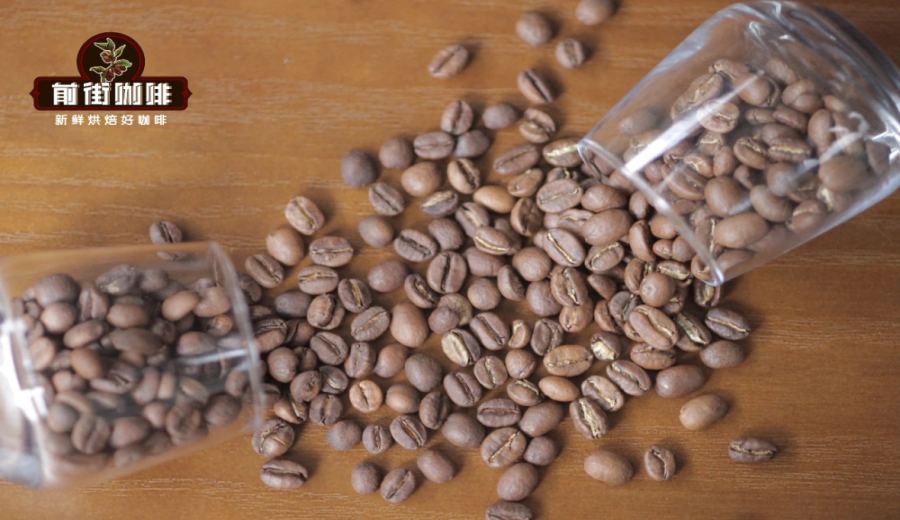
Introduction:Ethiopian Yirgacheffe washed beans are renowned for their bright acidity and floral-fruity aromas, making them a top choice for many coffee beginners. This article delves into the geographical characteristics of the Yirgacheffe region and the details of the washed processing method, introduces the unique flavors of well-known lots such as those from the Konga Cooperative, and provides practical medium-light roast pour over parameters to help you master the optimal extraction method and savor the clean, refreshing layers of this coffee.
The Yirgacheffe region in Ethiopia has long been regarded as one of the benchmarks of specialty coffee, particularly showcasing distinctive bright acidity and delicate floral notes through the washed process. Located on the eastern side of the East African Rift Valley, at an altitude of approximately 1800 to 2000 meters, the area features rugged terrain and a cool climate, and benefits from its proximity to Lake Abaya, which provides a stable and abundant water supply—ideal conditions for washed processing.
Administratively, Yirgacheffe was originally part of the Sidamo region, but due to its highly distinctive flavor profile, it was later designated as a separate region. This area not only includes the town of Yirgacheffe but also encompasses well-known sub-regions such as Wolla and Kochere. Its washed beans often exhibit citrus and lemon-like acidity paired with jasmine and tea-like aromas, delivering a clean and layered flavor that is considered a must-try for many coffee enthusiasts.
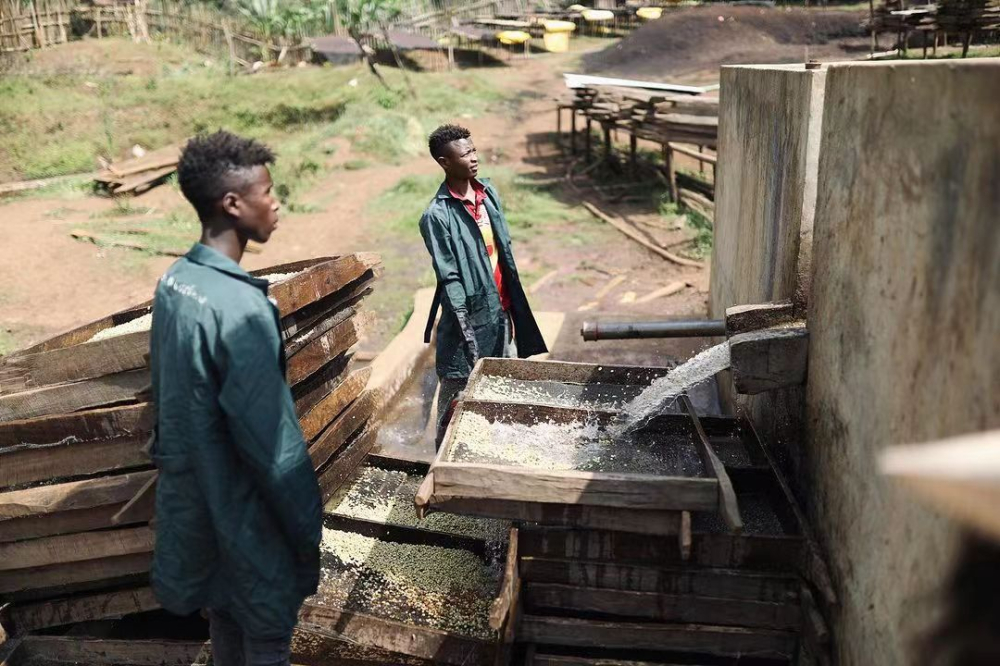
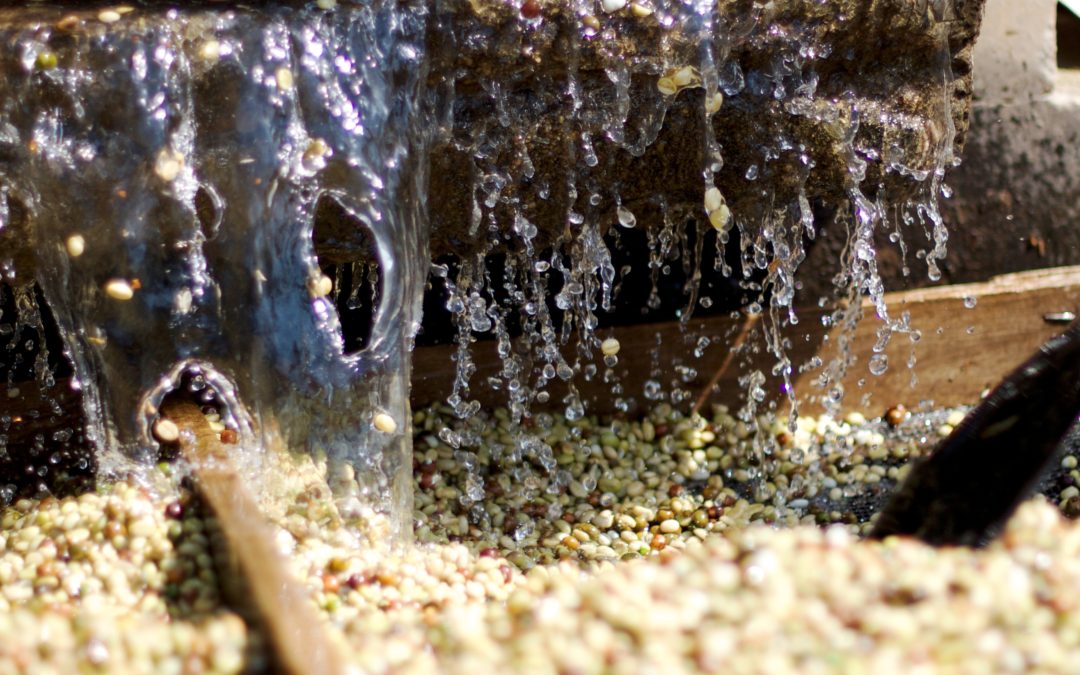
The hallmark of the washed process lies in a series of meticulous steps to remove the pulp and impurities, resulting in uniformly clean and consistent green bean appearances, as well as high clarity and uniformity. The process begins by placing harvested coffee cherries in water tanks, allowing unripe or overripe cherries to float due to density differences, making them easy to remove. Next, machinery is used to strip away the skin and pulp, leaving only the beans with their mucilage and parchment.
The mucilage is then removed through a fermentation step, which typically lasts between 18 to 36 hours and can be divided into wet and dry fermentation. This stage is extremely critical—if the fermentation tank is not properly cleaned and managed, it can easily produce unpleasant fermentation off-flavors, potentially compromising the quality of the entire batch. After fermentation, the beans are washed to remove surface residue and then dried in the sun over an extended period, reducing the moisture content from around 50% down to 12%. Finally, hulling is performed to complete the entire washed process.
According to the standards set by the ECX (Ethiopian Commodity Exchange), Yirgacheffe washed beans are classified into multiple grades, with washed beans typically falling under Grade 1 (G1) and Grade 2 (G2), indicating very few defective beans and relatively stable quality. In the past, due to limitations in sun-drying technology, natural-processed beans were mostly graded G3 to G5; however, with advancements in processing techniques, many high-quality natural beans are now also elevated to G1 or G2 grades.
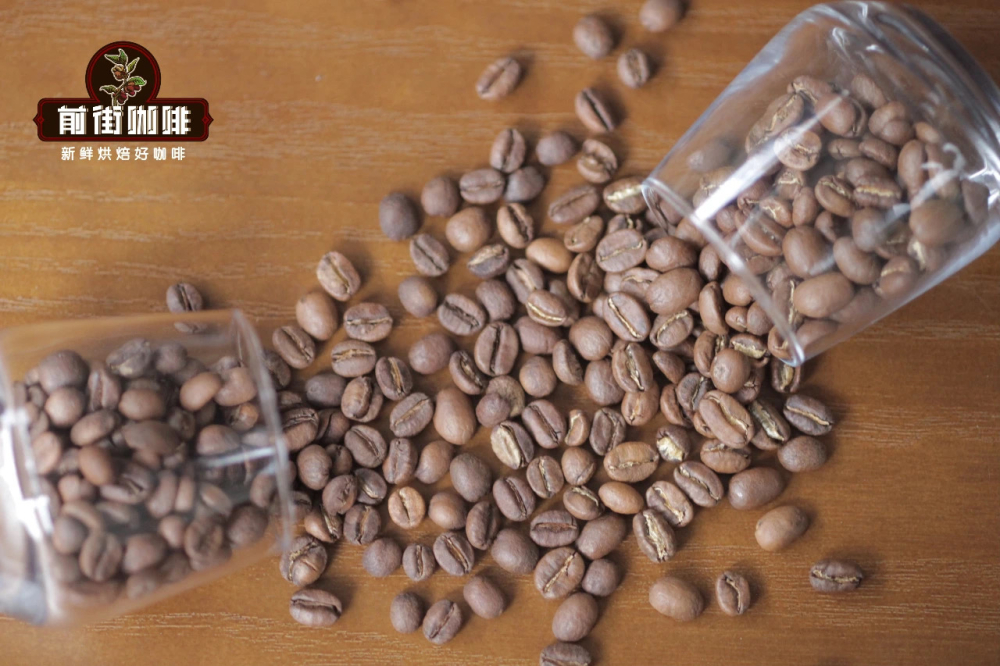
Among the many Yirgacheffe washed beans, those produced by the Konga Cooperative have garnered particular attention. Sourced from the Gedeo Zone at altitudes between 1900 and 2300 meters, these beans are cultivated from heirloom varieties and processed using the washed method, yielding pronounced citrus and black tea foundations. As the temperature changes, creamy, caramel, and almond aftertastes emerge, delivering an overall clean cup with a notable sweetness.
Another common entry-level option—the washed Yirgacheffe everyday-drinking bean—may be labeled as "everyday," but its flavor distinctiveness is certainly no less remarkable. These beans, grown at altitudes of 1800 to 2000 meters from heirloom varieties and processed via washing, are known for their excellent cost-performance ratio and also showcase the classic fruit acidity and floral notes of the region, making them highly suitable for coffee beginners looking to explore the flavors of Yirgacheffe in depth.
To fully highlight the characteristics of Yirgacheffe washed beans, it is recommended to use a medium-light roast and adjust pour over parameters appropriately for extraction. Generally, using a V60 filter, maintaining a water temperature of 90 to 91°C helps to bring out the citrus acidity and delicate floral notes of the beans. The grind size is advised to be adjusted to that of fine sugar, roughly achieving 80% extraction through a #20 sieve, with a brew ratio set at 1:15.
In practice, it is suggested to start with a 30-second bloom using 30 grams of water, followed by a continuous pour of 95 grams of water (totaling about 125 grams), completed in approximately 1 minute; when the water level drops to two-thirds of the coffee bed, pour the final 100 grams of water (totaling about 225 grams), keeping the total extraction time around 2 minutes and 4 seconds. This parameter setup helps balance sweetness and acidity while avoiding over-extraction or excessive sourness.
Taking the Konga Cooperative beans as an example, the brewed cup typically exhibits pronounced citrus and black tea profiles, with creamy, caramel, and almond aromas gradually emerging as the temperature cools. The mouthfeel is clean and the aftertaste lingers pleasantly. In contrast, standard washed Yirgacheffe beans often showcase jasmine floral notes and a berry juice-like character, complemented by lemon and citrus acidity, resulting in an overall clean and refreshing flavor profile—highly appealing to coffee lovers who enjoy distinct layers and bright tonalities.
The above content is compiled by CoffeeHunters, a coffee news website.


