







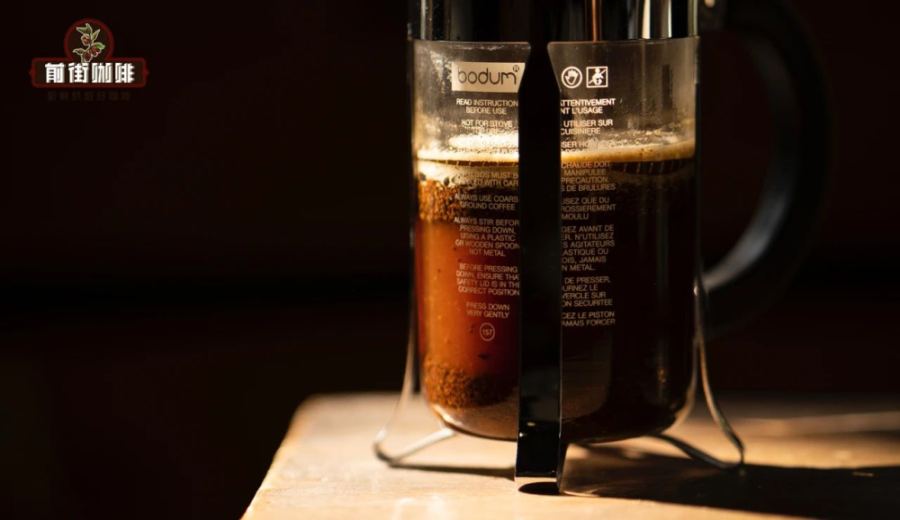
Introduction:The French press is the starting point for many coffee beginners entering the world of pour over brewing. It’s easy to use and can fully showcase the intrinsic flavors of coffee beans. This article delves into the golden coffee-to-water ratio for the French press, its key differences from pour over, offers suggestions for suitable coffee beans, and includes a complete brewing process to help you master this classic technique precisely and brew a rich, well-balanced cup of coffee.
Thanks to its simplicity and ease of use, the French press has always been a top choice for many coffee enthusiasts. It not only clearly highlights the unique characteristics of the coffee beans themselves but also responds quite directly to the quality and freshness of the beans, making it especially important to choose high-quality and fresh coffee beans. In addition, the French press is highly stable—if you control the variables well, even different users can achieve consistent results, which is harder to achieve with methods like pour over or siphon brewing. This makes it very suitable for beginners to practice with.
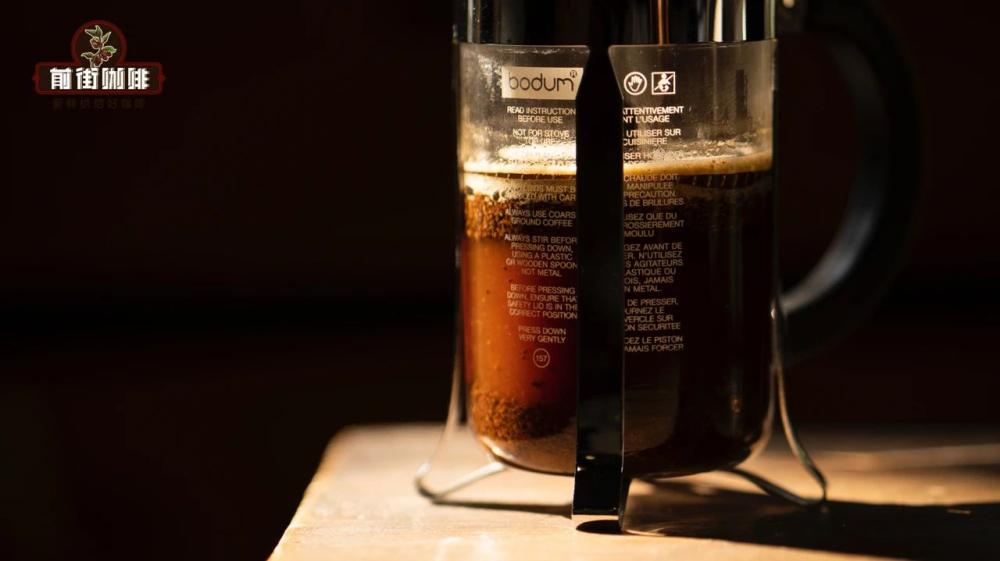
The French press (also known as a coffee plunger), also referred to as a French press, tea press, or even jokingly called a “lazy person’s pot,” dates back to around 1850 in France. This device mainly consists of a heat-resistant glass carafe (though some are made of transparent plastic) and a metal filter screen equipped with a plunger. Originally, this tool was mostly used for brewing black tea, which is why many people still commonly refer to it as a tea press.
Among the many coffee brewing tools, the French press has the lowest barrier to entry, and its extraction rate is similar to that of professional cupping methods. It can fully release the oils, aromas, and various flavor compounds in coffee, resulting in a smooth, sweet, and full-bodied taste—thus, it is widely loved by coffee enthusiasts.
If you want to fully showcase the potential of coffee using a French press, it is recommended to prioritize medium or medium-dark roasted coffee beans. This level of roasting not only avoids overly heavy bitterness but also makes the coffee flavors richer and more robust, without the aroma appearing too light.
If you prefer a bold and full-bodied taste, you can try medium-dark roasted beans, such as those with notes of spices, pine, nuts, and dark chocolate; if you lean more toward bright floral and fruity profiles, you can choose coffees featuring flavors like rose, raisin, blueberry, or fruit gummy, which typically come from light to medium roasts.
Here is the French press coffee brewing process—from weighing the beans to completing the brew—each step has been practically tested to help you stably extract a satisfying cup of coffee:
1. First, prepare about 20 grams of freshly roasted coffee beans, as freshness greatly affects the final flavor.
2. The water temperature is recommended to be controlled between 85 to 95°C. For light roasts, you can slightly increase the temperature to enhance aroma, while for dark roasts, it’s advised to lower the temperature to avoid bitterness caused by over-extraction. This can be fine-tuned according to personal preference.
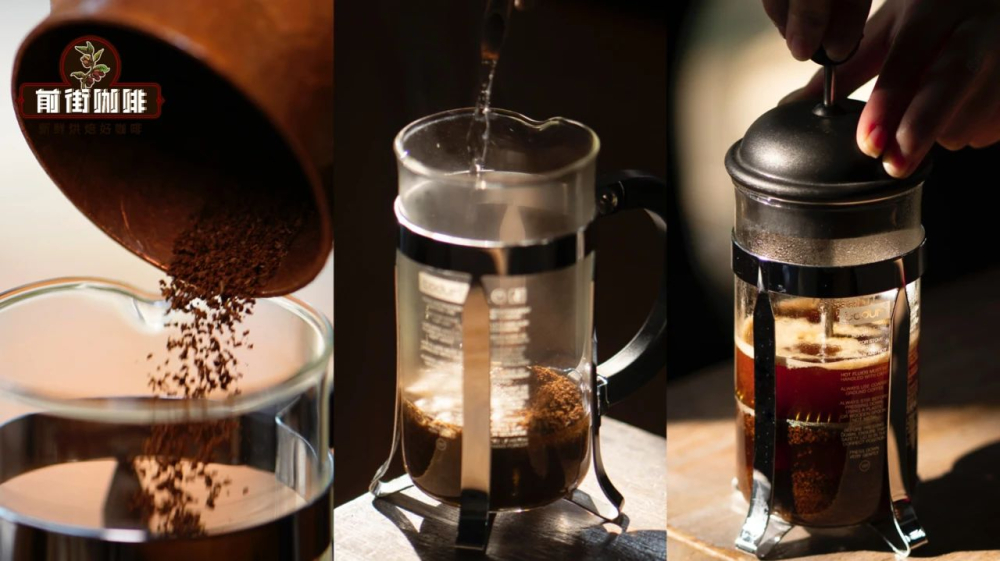
3. Pour the ground coffee into the French press. The grind size should be slightly coarser than pour over, ideally similar to the texture of sea salt.
4. When pouring water, you can mimic the pour over method by evenly pouring in a circular motion to ensure all coffee grounds are saturated.
5. Typically, it’s recommended to pour about 300 grams of hot water, with a coffee-to-water ratio of roughly 1:15. This range can be adjusted between 1:14 and 1:18 based on taste. You can use an electronic scale to assist—tare the scale with the coffee grounds, then weigh the hot water. Although there is a slight difference in weight between hot and cold water, the impact is minimal for home use.
6. After adding water, it’s recommended to stir gently to ensure all coffee grounds are evenly soaked.
7. Put the lid on, but do not press the plunger yet. Let it steep for about 4 minutes. This duration can be extended or shortened according to personal taste to adjust strength.
8. When time is up, slowly press the plunger down to the bottom. The process should be steady and not too fast to prevent fine particles from passing through the filter and affecting the taste. Also, don’t press all the way down until it stops.
9. When pouring the coffee, it’s advisable to tilt the pot gently to avoid disturbing the settled coffee grounds at the bottom, which could affect the overall flavor balance.
10. Finally, you can enjoy a cup of French press coffee that fully showcases the characteristics of the beans.

The above content is compiled by CoffeeHunters, a coffee news website.


