







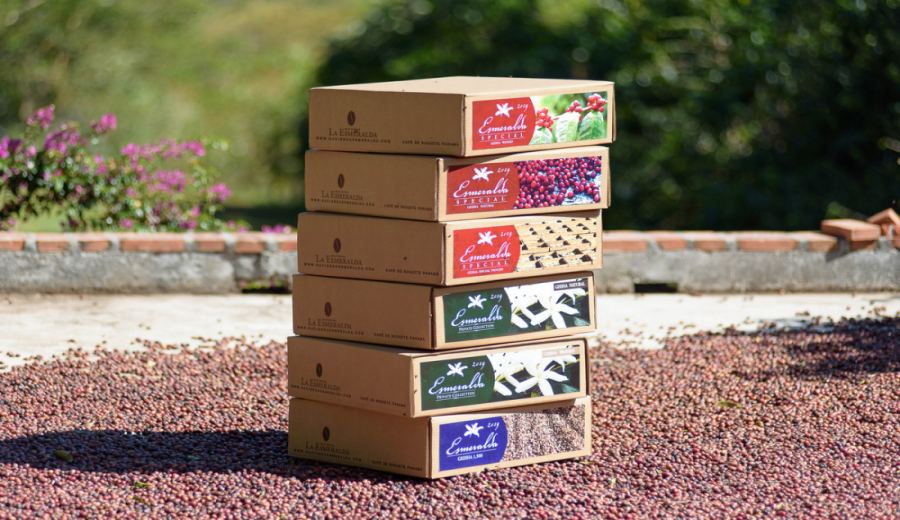
Introduction:The Geisha series from Panama’s Hacienda La Esmeralda is renowned for its distinctive flavors, with the Red Label, Green Label, and Blue Label being the focus of enthusiasts. However, these three tiers differ in altitude, processing method, auction eligibility, and flavor profiles, often confusing beginners. This article provides an in-depth analysis of the differences among the three grades, covering origin, roasting recommendations, pour over parameters, and flavor characteristics to help you find the Geisha experience that suits you best.
The Geisha coffee from Panama’s Hacienda La Esmeralda has long been sought after by specialty coffee lovers worldwide. Yet, many remain unclear about the specific differences between the Red Label, Green Label, and Blue Label grades. This article will comprehensively break down the characteristics of these three classic Geishas—from altitude, growing regions, processing techniques to roasting and brewing strategies—so whether you’re a first-timer or a seasoned enthusiast, you can quickly grasp their core distinctions and tasting essentials.
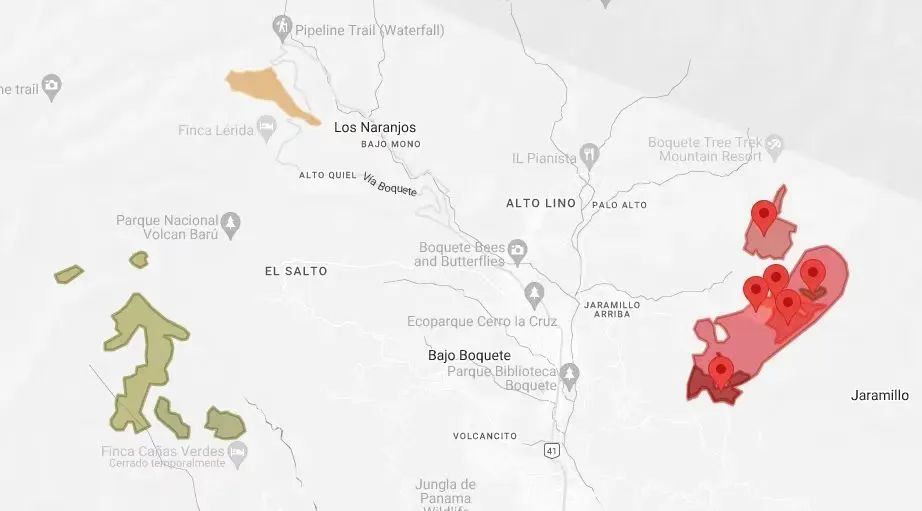
When many people visit a café for the first time and ask, “What’s the difference between the Red Label, Green Label, and Blue Label?”—in short, these three Geishas are graded based ongrowing altitude,with higher altitudes corresponding to higher grades. The Red Label is grown at elevations of 1600–1800 meters in the Jaramillo and Canas Verdes plots, making it the most highly regarded and sought-after version in auctions. The Green Label is a micro-lot blend, also sourced from these two regions, but without specifying exact small plots, so its flavor profile sometimes closely resembles the Red Label, though it can also offer delightful surprises. The Blue Label is the lowest-altitude grade, ranging from 1400–1500 meters, and is usually processed only via washed method, resulting in a relatively bright yet less complex flavor.
When discussing Hacienda La Esmeralda, one cannot overlook its geographic location and climatic advantages. Panama is situated in Central America, nestled between Costa Rica and Colombia, and is a predominantly mountainous country, with the Boquete region in the central area being especially famous. Proximity to the Baru volcano creates significant day-night temperature variations, and the unique microclimate formed by the central mountain range blocking cold air provides ideal growing conditions for high-altitude varieties like Geisha. Not only are the day-night temperature differences pronounced, but the annual rainfall is also just right, and the fertile volcanic soil is the perfect environment for coffee trees to thrive.
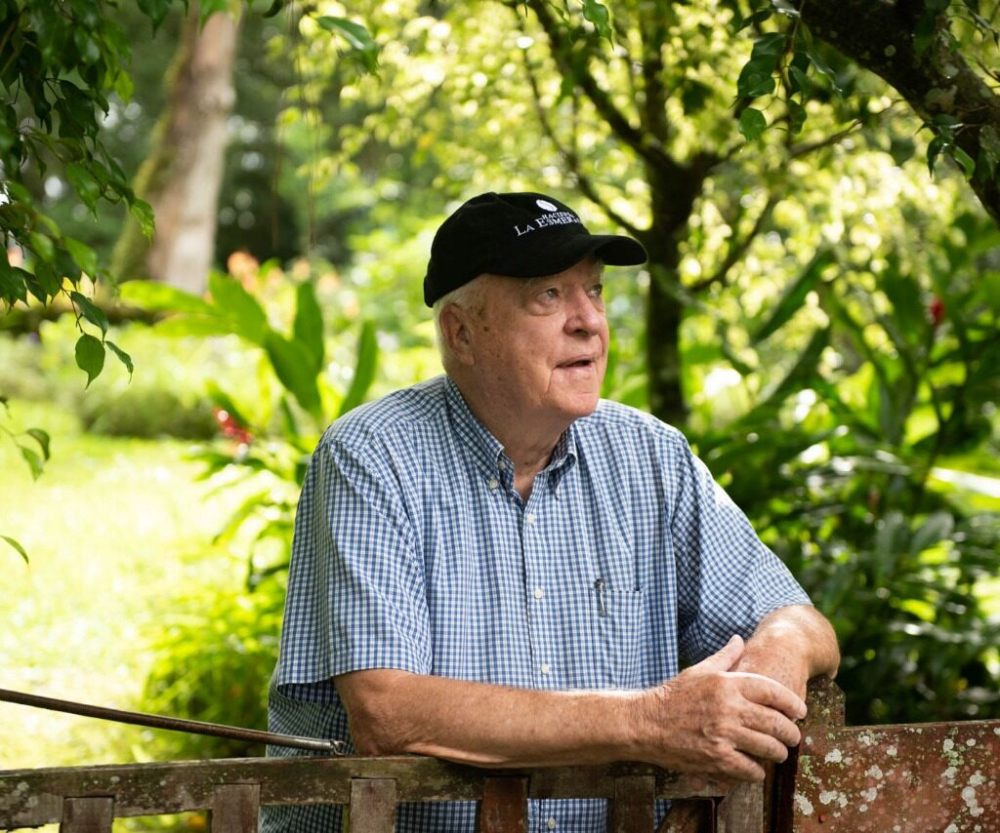
Established in 1964, Hacienda La Esmeralda (The Emerald Estate) was not initially focused on coffee but rather on livestock. It wasn’t until the late 1980s, when the second-generation owner Price introduced the Caturra and Catuaí varieties and built a washed processing facility in 1994, that it gradually transformed into the renowned specialty coffee estate it is today. Its Geisha plantings are mainly concentrated in three areas: Jaramillo, Canas Verdes, and the later-acquired El Velo. Among them, Jaramillo is considered the “holy land” of Geisha—not only for its high altitude and unique microclimate, but also due to its limited production. Initially, it was even used only as a windbreak, until its astonishing flavor potential was discovered and it gained attention.
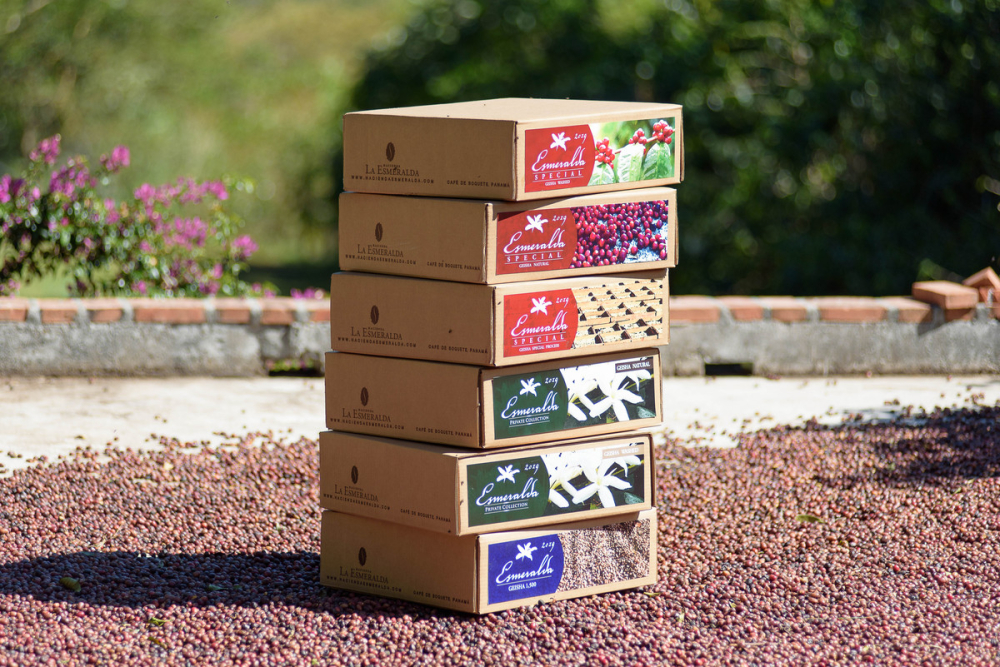
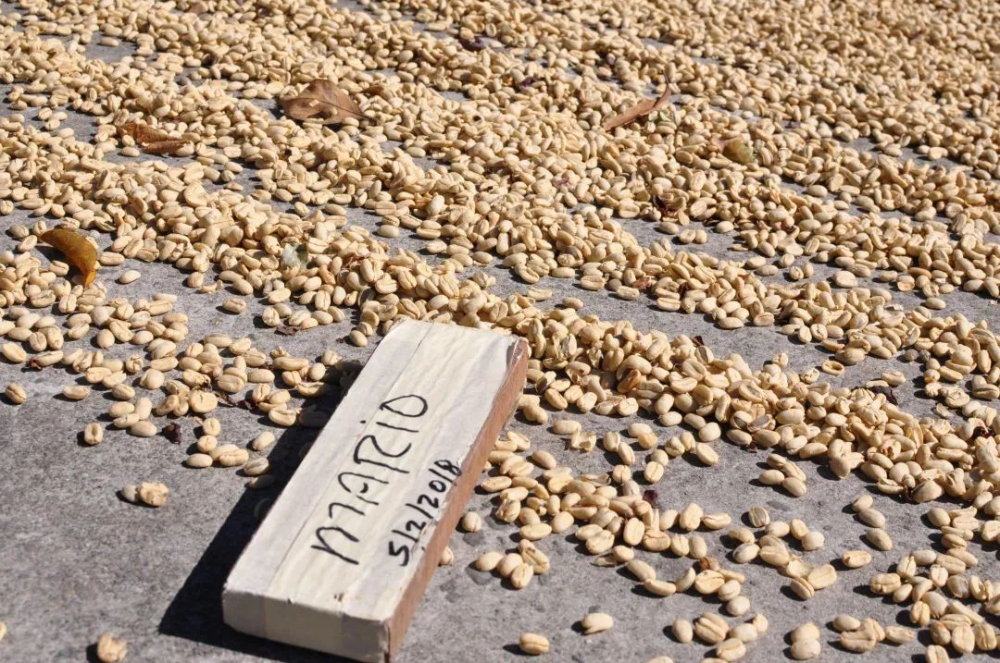
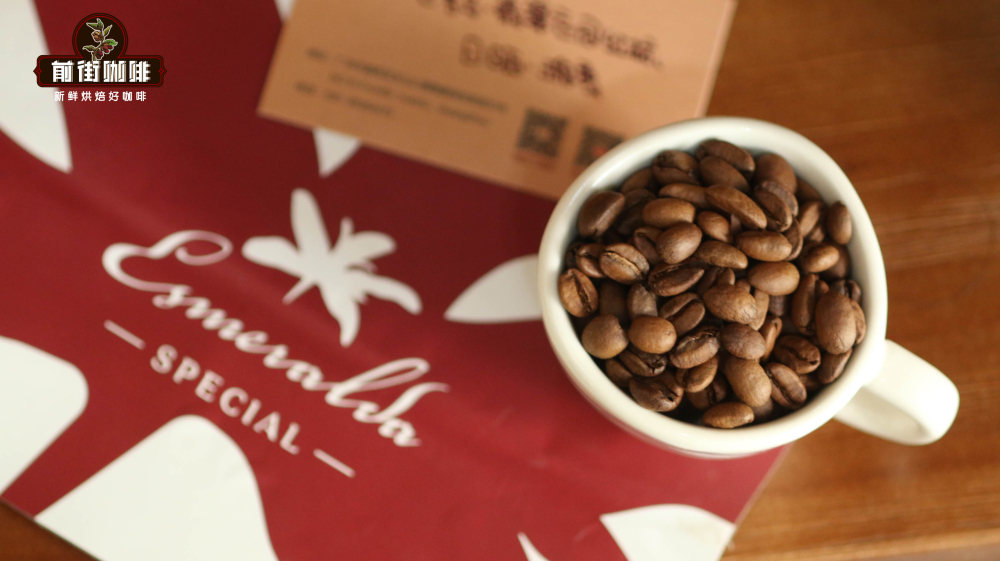
Hacienda La Esmeralda categorizes its Geisha beans into Red, Green, and Blue labels based on growing altitude and cupping scores. Among them,the Red Label Geishais the highest grade, selecting only Geisha beans with cupping scores of 90 or above and grown at 1600–1800 meters, from the Jaramillo and Canas Verdes regions. Most are released via auction. It’s worth noting that auction lots and regular retail lots actually come from the same plots—the former simply undergo stricter selection by the estate and are sold through public auction, making them relatively expensive. But if you just want to experience top-tier Geisha flavor, the retail Red Label is sufficient. Processing methods can be either natural or washed, and the flavor profile features bright citrus, jasmine, and honey aromas, with vibrant and layered acidity.
The Green Label Geisha,commonly known as the “private collection,” is a non-auction micro-lot blend, also sourced from plots in Jaramillo and Canas Verdes. However, because it blends beans from multiple small plots, the exact origin is untraceable. As a result, its flavor can sometimes closely resemble the Red Label, while other times it may differ slightly—like opening a mystery box full of surprises. The Green Label also uses natural or washed processing, with a flavor profile dominated by citrus, floral notes, berries, and a full body. It offers good value and is suitable for consumers who want to experience high-altitude Geisha without purchasing auction lots.
The Blue Label Geisha,also commonly known as “Geisha 1500,” grows at altitudes of 1400–1500 meters from the Jaramillo, Canas Verdes, and El Velo plots. It is the only one of the three grades processed exclusively via washed method. Due to its lower altitude, its flavor is relatively softer, characterized by citrus, lemon, honey, and some nutty notes. The body is less full, but it still retains the essential traits of Geisha, making it suitable for beginners or those who prefer a brighter, cleaner flavor.
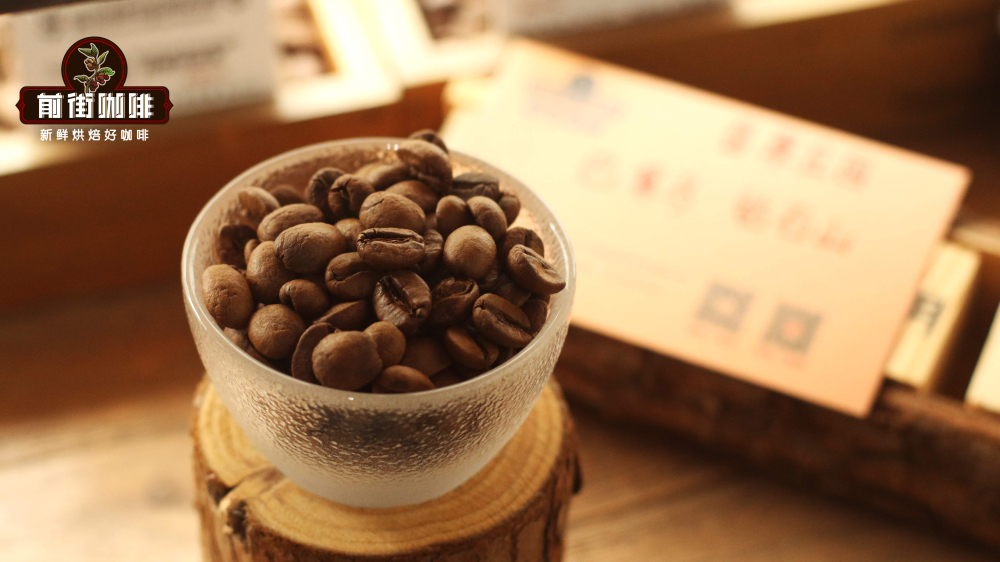
In terms of roasting strategy, to highlight Geisha’s signature bright acidity and rich floral notes, alight roastis recommended. However, slight adjustments are made to the roast profile for each grade. For the Red Label, for example, medium-high temperature is used for bean entry (around 150°C), followed by stable drying before entering the Maillard reaction stage. Development time is extended after first crack to bring out fruity and floral aromas and sweetness. The Green Label slightly raises the bean entry temperature to 160°C to enhance fruity and citrus notes. The Blue Label, due to its lower altitude, is roasted at a higher temperature (bean entry around 180°C), focusing on preserving clear acidity and tea-like qualities, with a relatively shorter development time.
For brewing, it is recommended to use a Hario V60 filter, with a water temperature of 90°C, a coffee-to-water ratio of 1:15, and a grind size between medium-fine (such as BG#4Q, with about 80% passing through a #20 sieve). This combination helps fully showcase the multi-layered flavors of Geisha, particularly its bright acidity and delicate fruity-floral notes. For pour over, a three-stage extraction method can be used: start with 30 grams of water for a 30-second bloom, then pour in stages up to 125 grams and 225 grams, with total brew time controlled around 2 minutes. These parameters balance extraction yield and flavor clarity, making them suitable for most Geisha coffees.
In summary, the Red Label, Green Label, and Blue Label Geishas each have their own unique characteristics. Whether you’re pursuing the ultimate flavor with the Red Label, enjoying the variety of the Green Label, or starting with the beginner-friendly Blue Label, each showcases the care and dedication of Hacienda La Esmeralda in varietal selection and growing environment. Understanding their differences not only helps you choose the Geisha that best suits your taste, but also allows you to more deeply appreciate the diverse charm of this legendary coffee.
The above content is compiled by CoffeeHunters, a coffee news website.


