







Introduction:Want to brew a cup of coffee at home that rivals the quality of Blue Mountain cafés? This article takes Jamaica Blue Mountain No. 1 as an example, delving into its regional regulations, grading system, and roasting characteristics. It also guides you through everything from French press selection, water temperature control, to brewing time—mastering the full brewing techniques of this “King of Coffees.” Beyond step-by-step instructions, it also covers bean variety traits, common mistakes, and how to highlight flavors like dark chocolate and caramel by adjusting parameters.
The French press is arguably one of the most accessible home brewing tools that best preserves the original flavors of coffee, especially suited for highlighting the delicate nuances of high-grade beans like Blue Mountain No. 1. However, precisely because its filtration method is more lenient, it demands higher freshness and quality from the coffee beans. This article uses Jamaica Blue Mountain No. 1 as an example to explain how to consistently extract its classic notes of dark chocolate, nuts, and caramel using a French press, while also detailing the regional regulations, grading system, and background of the Clifton Estate.
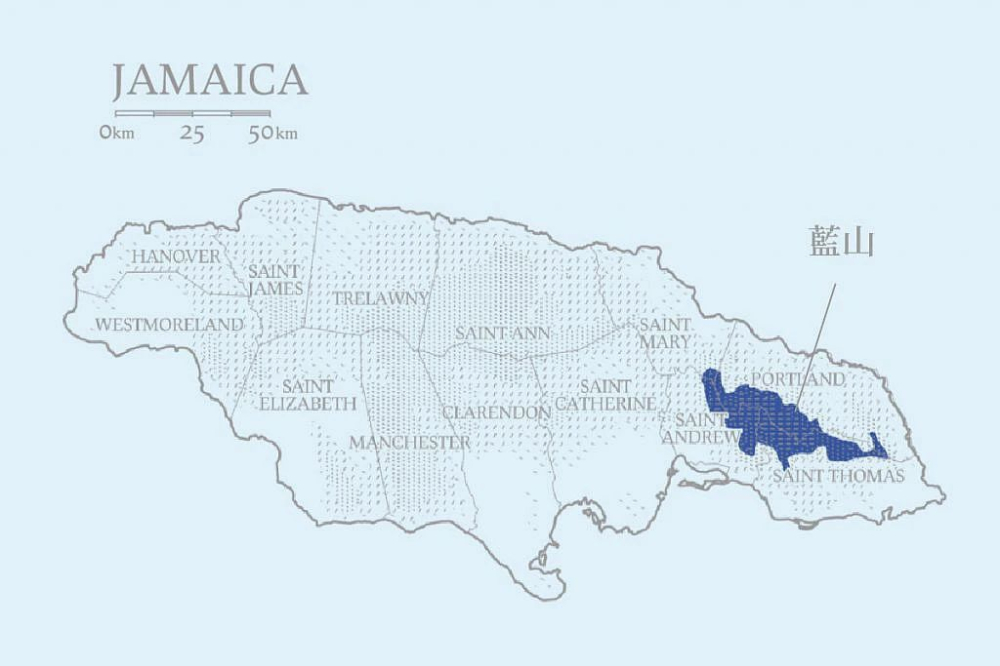
The reason Jamaica Blue Mountain coffee is so prized lies in its extremely strict regional restrictions and altitude requirements. True Blue Mountain coffee can only be produced in four administrative regions in eastern Jamaica: Saint Andrew, Saint Thomas, Saint Mary, and Portland, and must be grown at elevations between 1000 and 1700 meters. This area spans only about 6,100 hectares. Coffee grown above this altitude range can only be classified as High Mountain (500–1000 meters) or the even lower-tier Premium Mountain (below 500 meters), while coffee from outside these regions has no right to use the Blue Mountain name at all. Even stricter, only about 25% of officially certified coffee is graded as Blue Mountain.
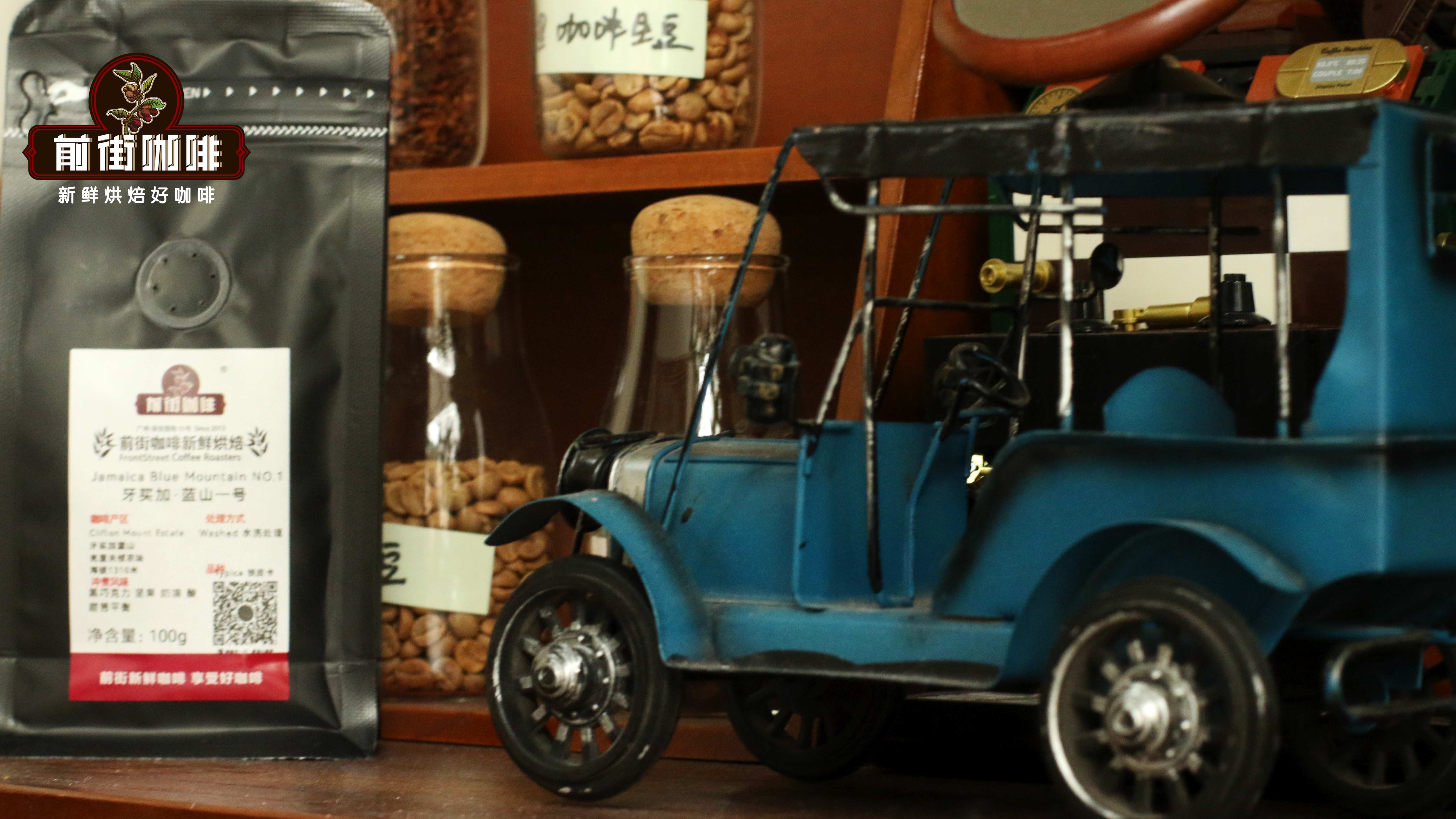
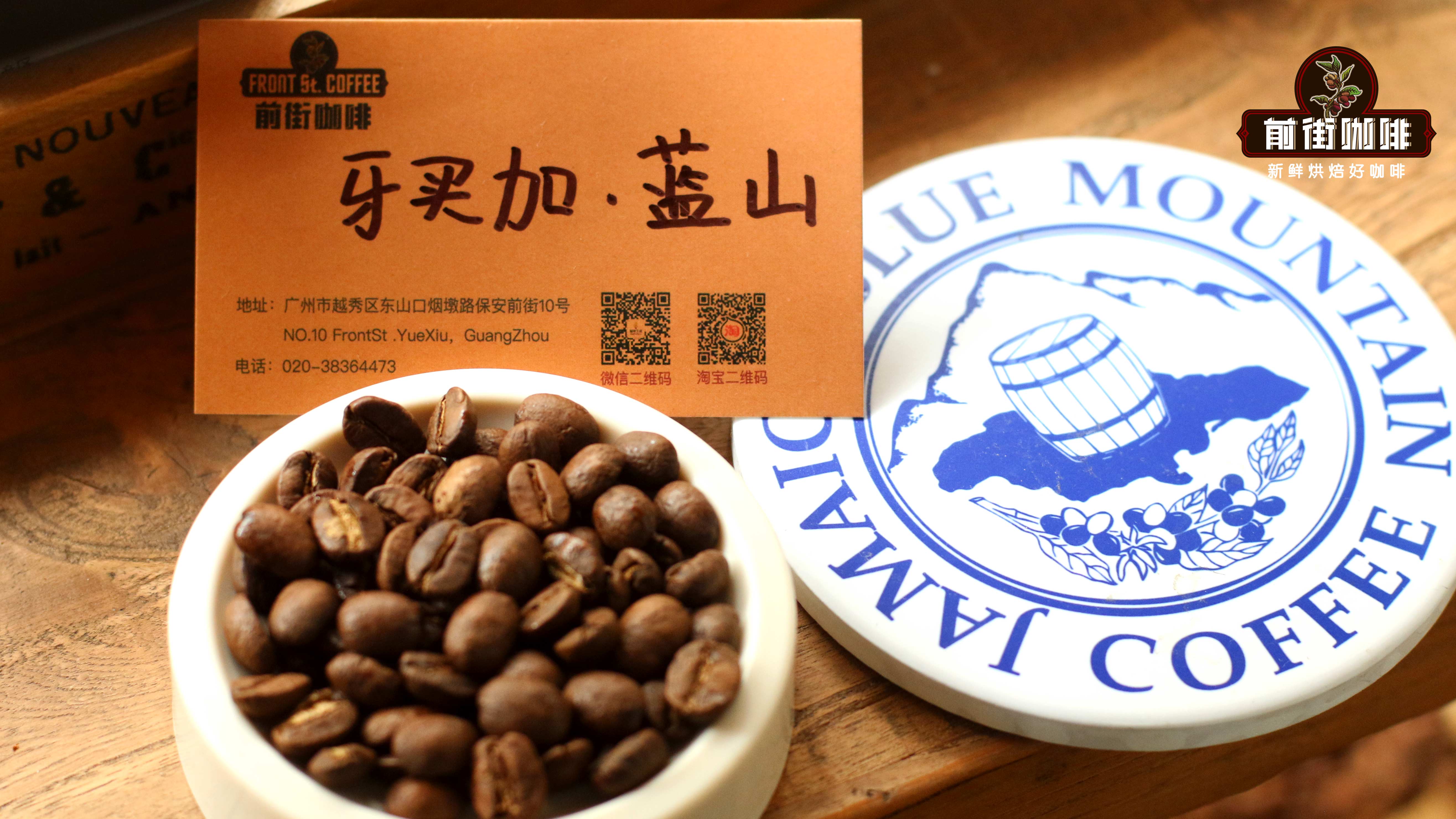
Blue Mountain coffee is subdivided into three main grades: Blue Mountain, High Mountain, and Jamaican Coffee, with Blue Mountain and High Mountain further divided into NO.1, NO.2, NO.3, and Peaberry (PB). Blue Mountain No. 1 is the highest grade, requiring green beans to meet high standards such as a screen size of 17 or above, a defect rate below 3%, and a moisture content of around 13%. Notably, Blue Mountain No. 1 to No. 3 and Peaberry are all exported in wooden barrels—a distinction only awarded to high-quality Blue Mountain coffee, while other grades are packed in standard burlap sacks.
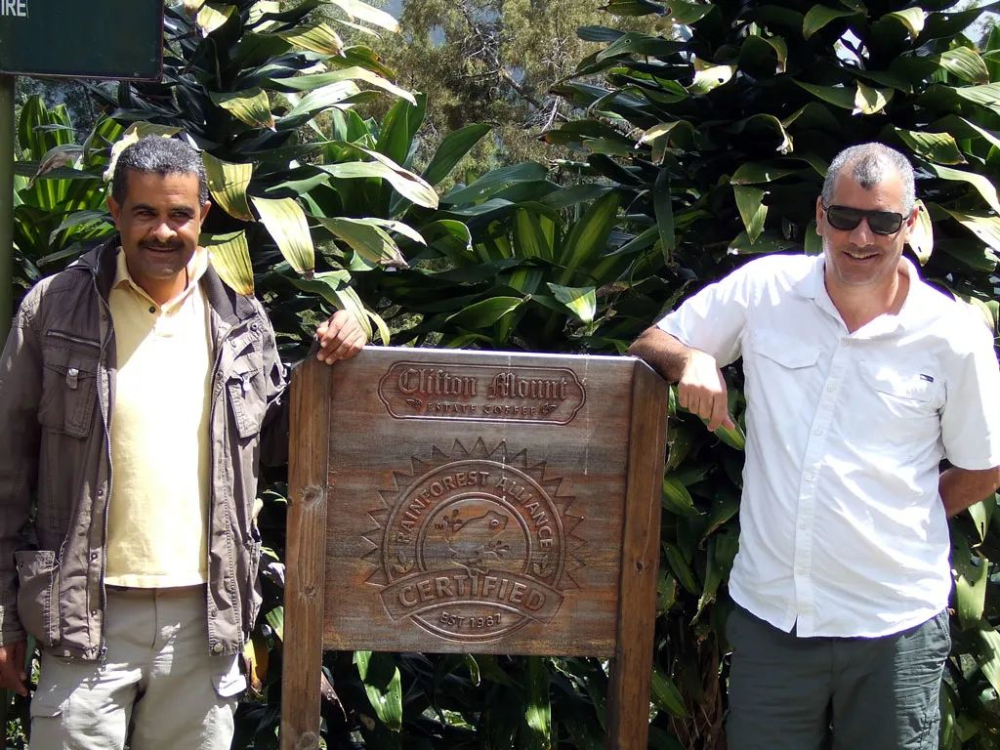
Among them, the Jamaica Clifton Mount Estate (Clifton Farm) is a representative coffee plantation in the Blue Mountain region, with about 250 acres of land, 180 of which are dedicated to coffee cultivation, at an average altitude of 1310 meters (approximately 4300 feet). The estate uses the washed processing method, grows 100% Arabica Typica variety, and is certified by the Rainforest Alliance. The Blue Mountain No. 1 from here is known for its balanced acidity, body, and aroma, making it one of the excellent representatives that embody the classic flavors of Blue Mountain.
To fully showcase the rich character of Blue Mountain No. 1, many roasters adopt a medium-dark roasting strategy. This roast level highlights aromas reminiscent of roasted nuts, cream, and dark chocolate, and brings out caramel sweetness and subtle citrusy notes in the cup, resulting in a smooth and layered mouthfeel. When brewed with a French press, these flavors become even more concentrated and discernible.
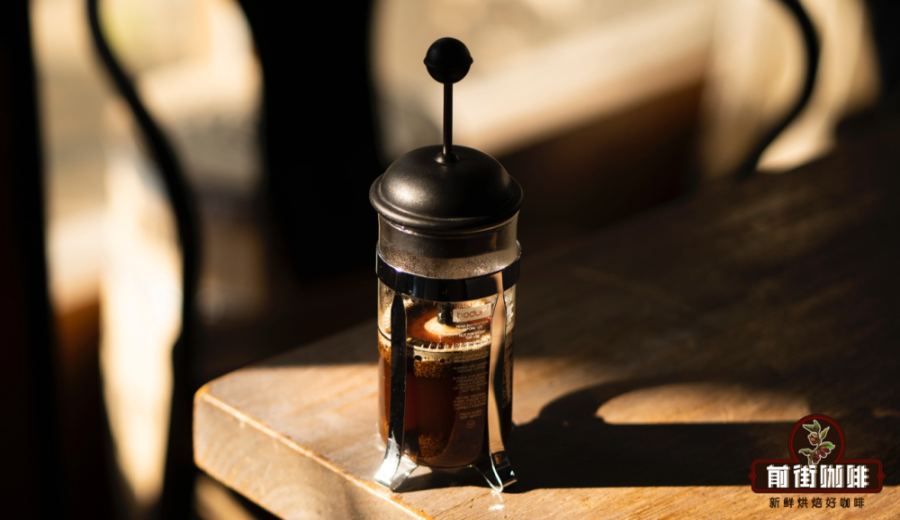
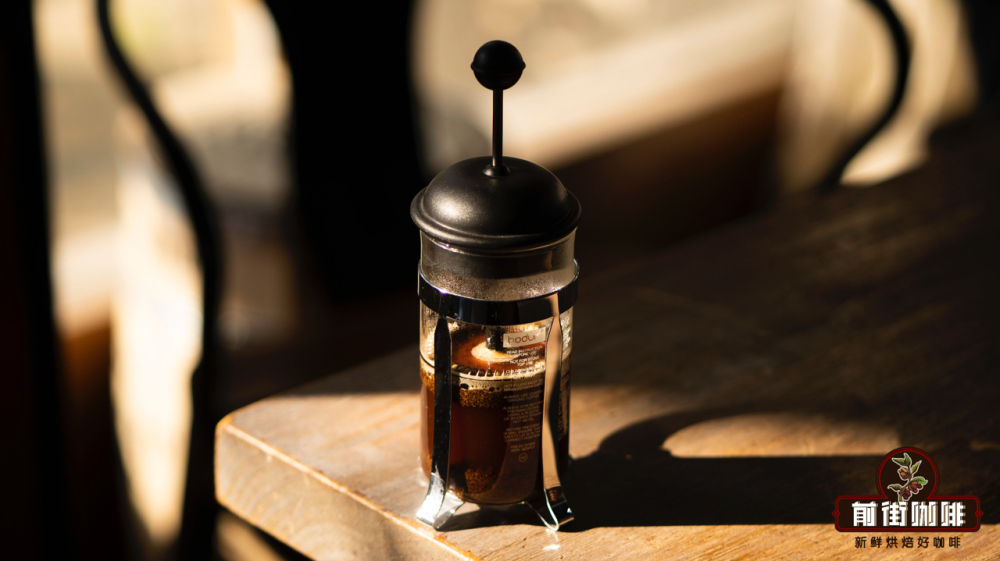
The French press, also known as a French filter press or French Press, originated in France around 1850. Initially used for brewing tea, it is also called a “tea plunger.” It consists of a heat-resistant glass carafe (or transparent plastic material) and a metal filter, featuring a simple structure yet capable of stably extracting the overall flavor of coffee, especially favored by those who prefer a bold taste. Compared to pour over or siphon brewing, results from a French press are more reproducible, making it a great choice for beginners.
It is recommended to use a two-cup French press, with a general coffee-to-water ratio set between 1:14 to 1:18—for example, 20 grams of coffee beans with about 300 grams (milliliters) of hot water, which can be fine-tuned according to personal taste. The coffee grounds are recommended to be ground to a coarseness similar to brown sugar. Too fine may lead to over-extraction and sedimentation, as the metal filter of a French press cannot effectively filter very fine coffee particles.
Preparation before brewing: French press, grinder, pour over kettle, thermometer, scale, timer, and freshly roasted Blue Mountain No. 1 coffee beans. It is recommended to use beans that have just been opened or are well stored to achieve the best flavor performance.
Step 1:Weigh out 20 grams of coffee beans accurately.
Step 2:Control the water temperature between 85–95°C; slightly higher for light roasts, slightly lower for dark roasts, adjusted according to personal preference.
Step 3:Pour the coffee grounds into the preheated French press.
Step 4:Slowly and evenly pour hot water in a circular motion, about 300 grams, at a coffee-to-water ratio of about 1:15, adjustable flexibly between 1:14–1:18 based on taste.
Step 5:Use a spoon or stirring stick to gently stir, ensuring the coffee grounds are evenly saturated.
Step 6:Place the lid on the French press but do not press down the filter, and let it steep for about 4 minutes. The duration significantly affects strength and flavor expression.
Step 7:Slowly and steadily press the filter down to the bottom of the pot, avoiding excessive force that could cause fine particles to pass through and affect the mouthfeel.
Step 8:Pour the coffee out slowly, ideally in one go, to avoid residual sediment affecting the flavor.

Once completed, you will be able to enjoy the distinctive flavors of Blue Mountain No. 1—cream, chocolate, toffee, nuts, and caramel—paired with subtle aftertaste sweetness and gentle acidity, delivering an overall balanced and layered profile. As long as you master the water temperature, grind size, and steeping time, the French press can reliably present the classic elegance of this “King of Coffees.”
The above content is compiled by CoffeeHunters, a coffee news website.


