







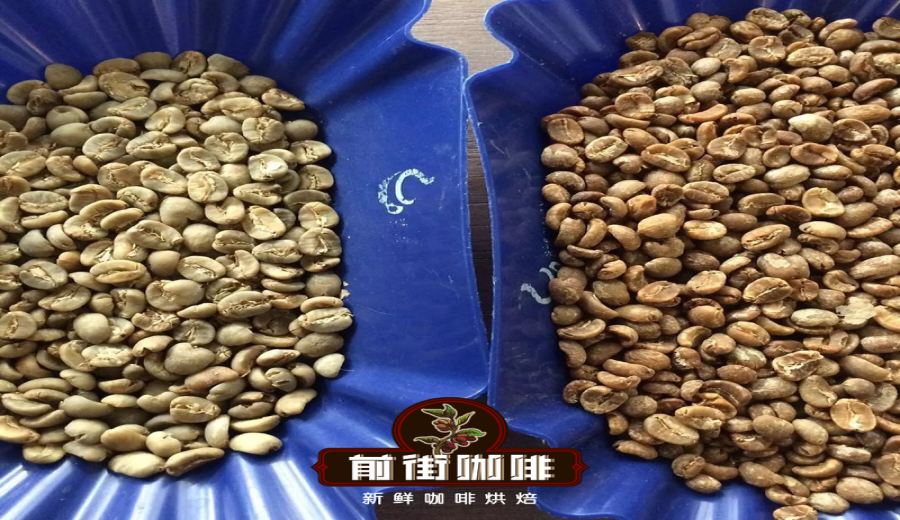
Introduction:Aged Mandheling is a special type of coffee bean from Indonesia’s Sumatra region that undergoes long-term aging. Its acidity softens, body intensifies, and it develops a complex aftertaste with notes of caramel, cocoa, and spices. This article delves into the principles behind the aging process, highlights key producing regions, and offers practical advice on roasting and pour over brewing to help coffee enthusiasts better understand the unique charm and brewing techniques of this classic bean.
Aging coffee beans isn’t simply about leaving green beans untouched for a period until they become old—it’s a professional maturation process that involves careful control of temperature and humidity, as well as regular turning and management. Particularly for Mandheling coffee produced in Indonesia’s Sumatra region, which is already renowned for its rich and full-bodied flavor profile, aging it properly for 2 to 3 years can further soften its acidity while bringing out deeper layers of caramel sweetness, cocoa aroma, nuttiness, and even subtle spicy notes.
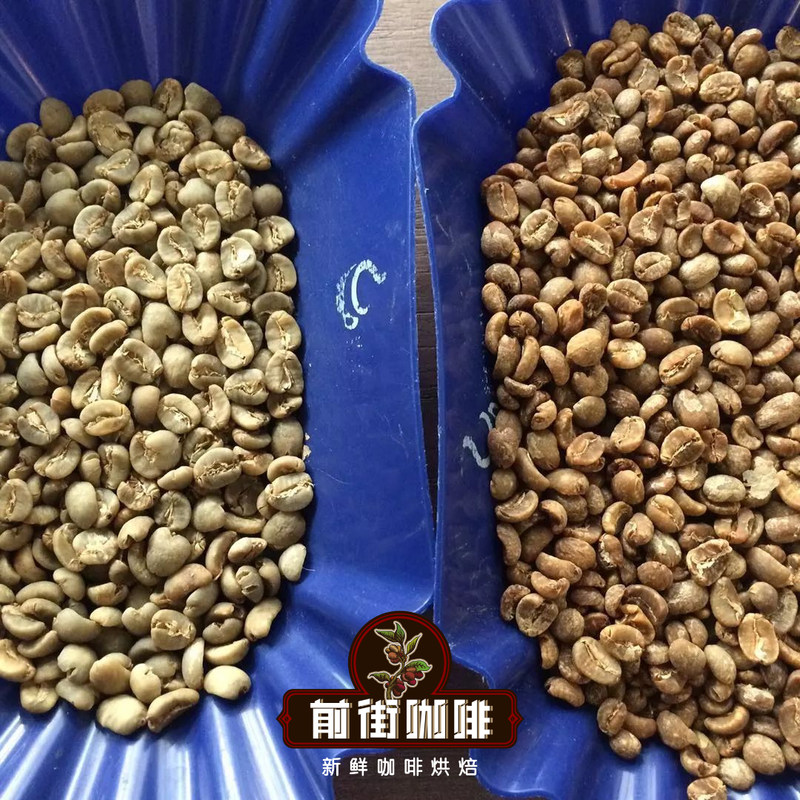
Aging coffee is not the same as storing it haphazardly. If green beans are left in improper conditions for too long, not only will they fail to develop desirable flavors, but they may also lose their vibrancy, suffer from discoloration, pest infestation, or mold. True aged coffee requires proper initial processing and must undergo years of controlled aging under regulated storage conditions to achieve its distinctive flavor profile.
Among Asia’s many coffee-growing regions, Sumatra in Indonesia is arguably one of the most representative. The Mandheling produced there commonly comes in grades such as “Sumatra Mandheling DP Grade 1” and “Vintage Sumatra Mandheling.” DP Grade 1 Mandheling often features wild forest and earthy freshness, with a more direct and robust flavor profile. The term “vintage” refers to these coffee beans being cellared in a low-temperature, dry environment for at least three years prior to export. This extended aging significantly reduces acidity while greatly enhancing body, resulting in a longer aftertaste often accompanied by subtle notes of spice, walnut, or chocolate-like complexity.
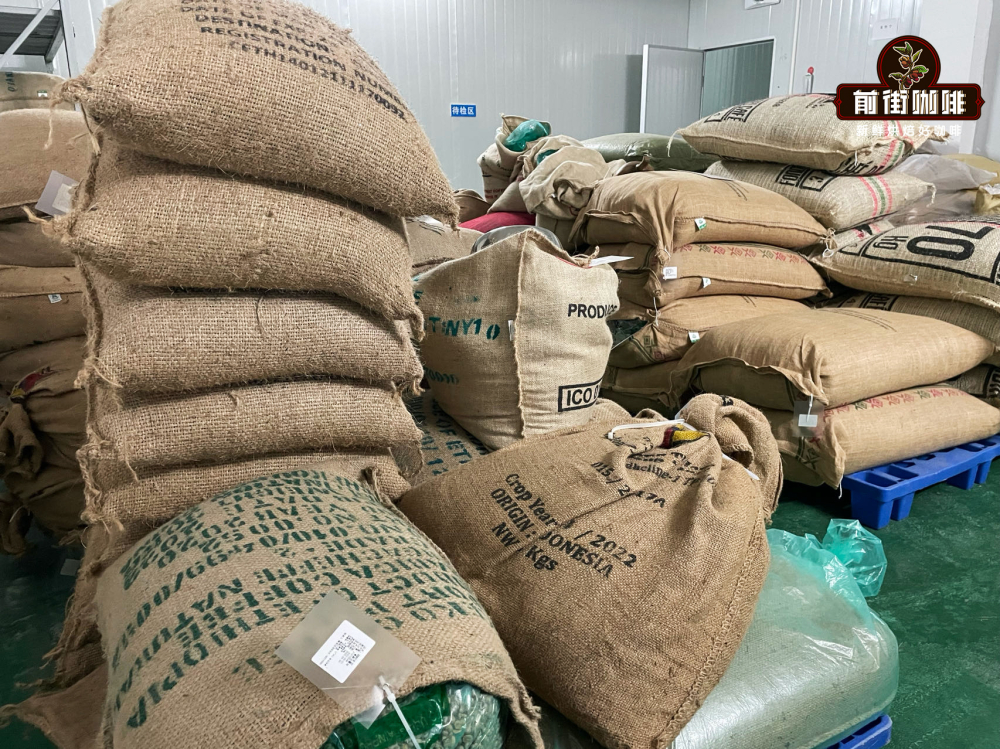
Sumatra coffee is primarily produced in the northern Lintong region of the island, where high altitudes and unique volcanic soils provide ideal growing conditions for Mandheling. Compared to other producing areas, Sumatra coffee generally exhibits a full body, low acidity, and intense aroma. In addition to Mandheling, the region also produces other specialty varieties, such as Gayo Mountain coffee and the Trunggo variety grown in the high-altitude southwestern mountains—these beans are often noted for their large size and unique regional aromatic profiles.
The uniqueness of aged Mandheling lies in its transformation after undergoing a rigorous 24-month or longer managed aging process. Its originally pronounced acidity shifts into a softer, more delicate tone, while the overall flavor profile becomes more distinct, with enhanced body and sweetness. During the aging period, the beans need to be regularly turned to prevent moisture clumping or mold, and stable temperature and humidity must be maintained to ensure the positive evolution of flavors throughout the aging process.
For roasting aged Mandheling, a medium to dark roast level is generally recommended. This roast degree helps suppress excessive acidity while highlighting the bean’s internal caramel sweetness, cocoa aroma, and nuttiness. Too light a roast may fail to fully bring out the rich body developed through aging, while too dark a roast can make the flavors overly muted or introduce smoky notes.
For pour over brewing, it is recommended to use a KONO filter or a three-hole trapezoid filter. These types of filters allow for immersion-style extraction, effectively balancing flow rate and extending contact time between water and coffee grounds, thereby accentuating the rich body and sweet layered profile of aged Mandheling. It is advised to use a medium-low water temperature of 86 to 88°C to avoid over-extraction and preserve delicate aromatic notes. Additionally, adjust the grind size to medium—slightly coarser than the usual setting for medium roasts—to reduce the risk of over-extraction and achieve a more balanced overall cup.
Regarding the coffee-to-water ratio, it is suggested to aim for a range of 1:13 to 1:14. This proportion allows the coffee’s richness and body to become more pronounced, particularly highlighting the bold texture and complex aromas unique to aged Mandheling. By combining the above roasting and brewing parameters, you can fully showcase the deep potential and distinctive character of this classic aged bean.
The above content is compiled by CoffeeHunters, a coffee news website.


