








Introduction:This Costa Rican specialty coffee, named after the musical maestro Beethoven, comes from the Canet Estate at an altitude of 1900 meters in the Tarrazú region. It is grown with the Yellow Catuai variety and processed using the washed method, showcasing bright, juicy berry and citrus notes. This article delves into the region's characteristics, the origin of the variety, and the processing method, and provides professional pour over parameters and steps to help coffee enthusiasts brew a richly layered, music-inspired cup at home.
What kind of creative sparks emerge when music meets coffee? The "Beethoven" coffee bean from Costa Rica’s Musician Series is a prime example of a specialty coffee named after a classical music legend. Sourced from the high-altitude region of Tarrazú at 1900 meters above sea level, this coffee uses the Yellow Catuai variety and is processed via the washed method, presenting a clean and bright acidity intertwined with vibrant berry and citrus flavors—like a beautifully melodic coffee symphony.

The creative idea of naming coffee beans after musicians adds an artistic ambiance to the drinking experience. In today’s world where specialty coffee is increasingly valued, beyond the region and variety, post-harvest processing methods are key to defining flavor. This "Beethoven" coffee not only inherits the musician’s pursuit of perfection but also showcases the unique charm of Costa Rica’s high-altitude coffee through meticulous washed processing. It’s said that Beethoven himself would meticulously count out 60 coffee beans each morning to brew his coffee, demonstrating his dedication to coffee quality.
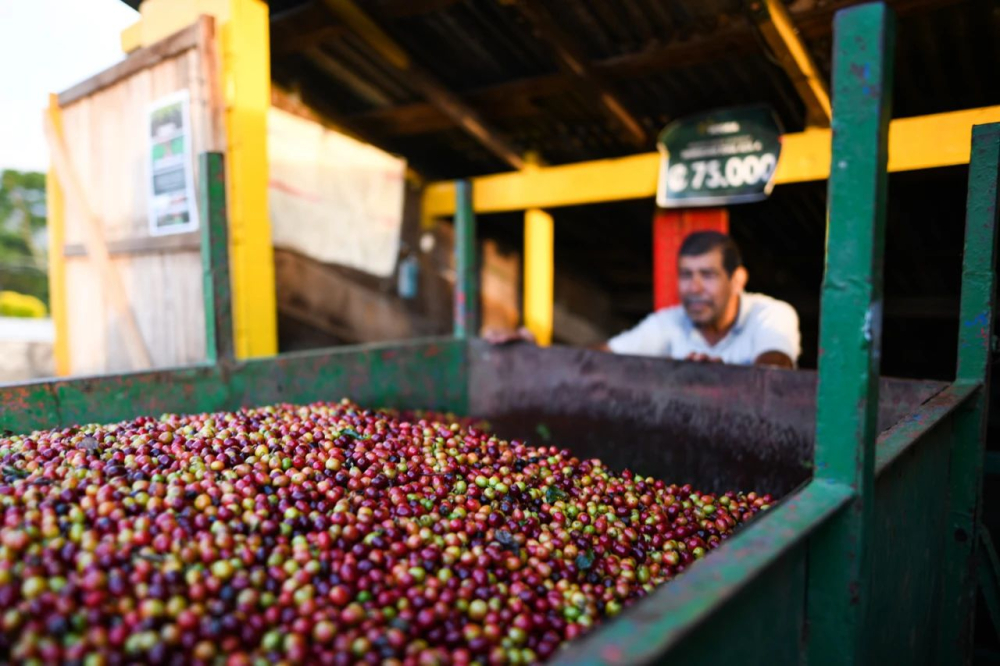
The Tarrazú region is located in the central volcanic belt of Costa Rica, boasting fertile volcanic soil and ideal altitude conditions, making it one of the world’s renowned specialty coffee origins. The area enjoys a cool and moist climate with abundant annual rainfall, and the significant day-night temperature variation due to the high altitude allows coffee cherries to ripen slowly, accumulating richer flavor compounds. Notably, over 95% of the coffee beans produced in this region are classified as Strictly Hard Bean (SHB), a designation that requires growth at elevations above 1500 meters.
The Canet Estate, situated at the highest altitudes of Tarrazú, primarily grows passion fruit but carefully cultivates a small section dedicated to coffee. This unique microclimate zone provides an ideal growing environment for the Yellow Catuai variety, allowing the coffee beans to fully express their varietal characteristics.
Yellow Catuai is a variety hybridized from Mundo Novo and Caturra, first successfully developed in Brazil in 1949. It is known for its high yield, strong disease resistance, and adaptability to high-altitude cultivation. Compared to other varieties, Yellow Catuai typically features brighter acidity and a richer fruit profile, making it particularly well-suited for the washed process to highlight its fresh qualities.
This Beethoven coffee is processed using the traditional washed method. After rigorously sorting out underripe and overripe cherries, the coffee pulp is first removed, followed by the use of a centrifugal washing machine to eliminate the mucilage layer on the bean surface, preventing over-fermentation that could negatively affect flavor. The washed beans are then dried on shaded raised beds for a total of 12 to 14 days, during which they are continuously turned to ensure even drying. This processing method preserves the coffee’s bright acidity and clean mouthfeel while minimizing impurities, resulting in a purer flavor.
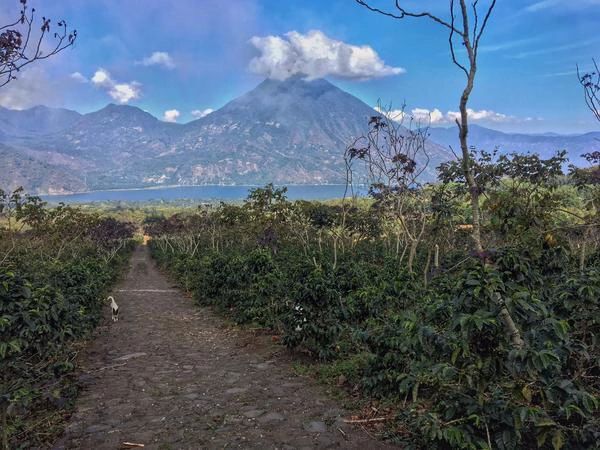
Recommended pour over parameters:
• Dripper: Hario V60
• Water temperature: 90°C (±2°C)
• Coffee-to-water ratio: 1:15 (recommended 15g coffee to 225ml water)
• Grind size: Medium-fine (approximately 82% passing through a #20 sieve, equivalent to 9.5 on the Ek43s grinder)
Pour over steps:
1. Preheat your equipment and filter paper,then pour 30g of waterto bloom the coffee grounds for 30 seconds to awaken the aromas.
2. Next, pour water in small circular motions until you reach125g,then perform the first pour break.
3. When the water level drops and the coffee bed begins to show, continue pouring until you reach atotal of 225g.4. Finally, remove the dripper just before the water runs out, keeping the total extraction time around
4. Finally, remove the filter cone when the water level is about to run out, keeping the total extraction time within2 minutes.
This coffee exhibits a highly layered flavor profile: it opens with bright citrus and berry acidity, followed by juicy fruit notes, and finishes with a subtle sweetness and clean aftertaste. It is well-suited for coffee lovers who enjoy bright acidity and refreshing fruit flavors, especially those who prefer the pour over brewing method.
The above content is compiled by CoffeeHunters, a coffee news website.


