







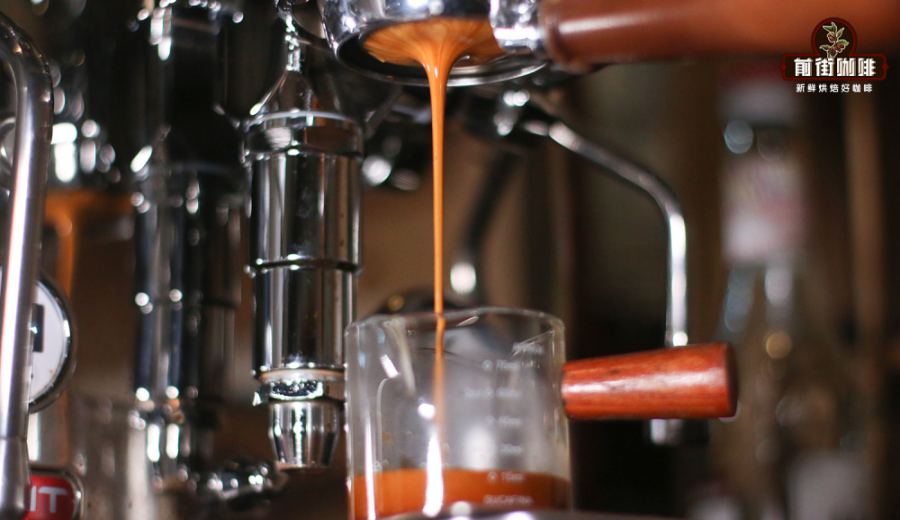
Introduction:SOE (Single Origin Espresso) has become a hot topic in the specialty coffee community in recent years. What exactly sets it apart from common blends? From flavor profiles and roast characteristics to brewing adjustments, this article delves into the unique traits of SOE. Through practical bean variety examples, it helps you understand how to select and brew a distinctly flavorful SOE espresso. Whether you're a beginner or a coffee enthusiast, you'll find useful guidance here.
With the rise of the specialty coffee trend, SOE (Single Origin Espresso) has gradually entered the public eye. This type of coffee is made from single-origin beans of a specific variety sourced from a particular growing region. Through high-pressure extraction by an espresso machine, it highlights the unique flavor characteristics of that region—such as bright acidity, rich fruitiness, or even distinctive fermentation notes. However, compared to traditional blends, SOE is also more prone to revealing flavor imbalances. If the roast or extraction isn’t properly managed, it may result in sharp acidity, thin body, or overpowering off-flavors.
Many consumers wonder when first trying SOE: Is it necessarily better than a blend? The answer varies from person to person. Blends focus on balanced and consistent flavors, making them ideal for everyday drinking. In contrast, SOE emphasizes regional character and individual expression, appealing to those who want to deeply explore the terroir of coffee. For example,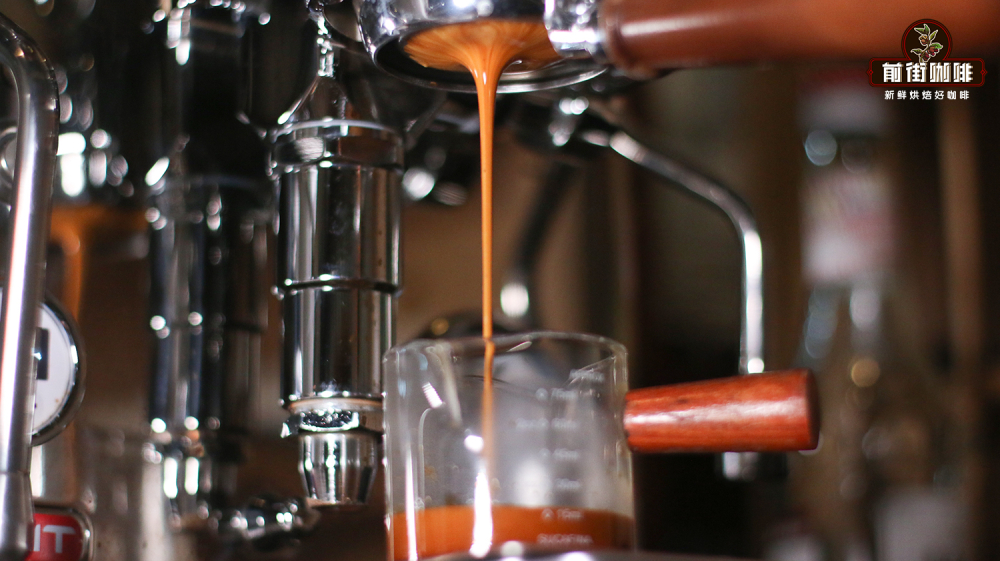 commonly used Yirgacheffe beans often exhibit pronounced citrus and floral notes, which become even more vibrant under high-pressure extraction. Meanwhile, Kenyan beans are known for their berry and wine-like qualities, making them a great choice for coffee lovers who enjoy bold flavors.
So, does SOE simply mean using hand drip-grade single-origin beans for espresso? Not quite. While, by definition, espresso made from single-origin beans qualifies as SOE, practical application involves more considerations. Single-origin beans usually have a more distinct flavor profile. Without adjusting the roast curve specifically for espresso extraction, uneven extraction or overly extreme flavors can easily occur. Especially for beginners new to espresso, choosing a well-balanced and stable blend is often a more practical starting point.
If you prefer espresso with rich flavor layers, then selecting the right SOE bean variety is crucial. It’s recommended to prioritize beans with high flavor clarity and sufficient intensity, avoiding options like medium-roast Brazilian Cerrado, which tend to have milder flavors and less pronounced acidity—resulting in thin, characterless espresso. Additionally, roast level is another key factor. Overly dark roasting can mask the region’s inherent flavor characteristics, while too light a roast may release excessive sharp acidity under high pressure, affecting the overall smoothness. Therefore, the same bean used for pour over and SOE should follow different roast strategies to achieve its best performance.
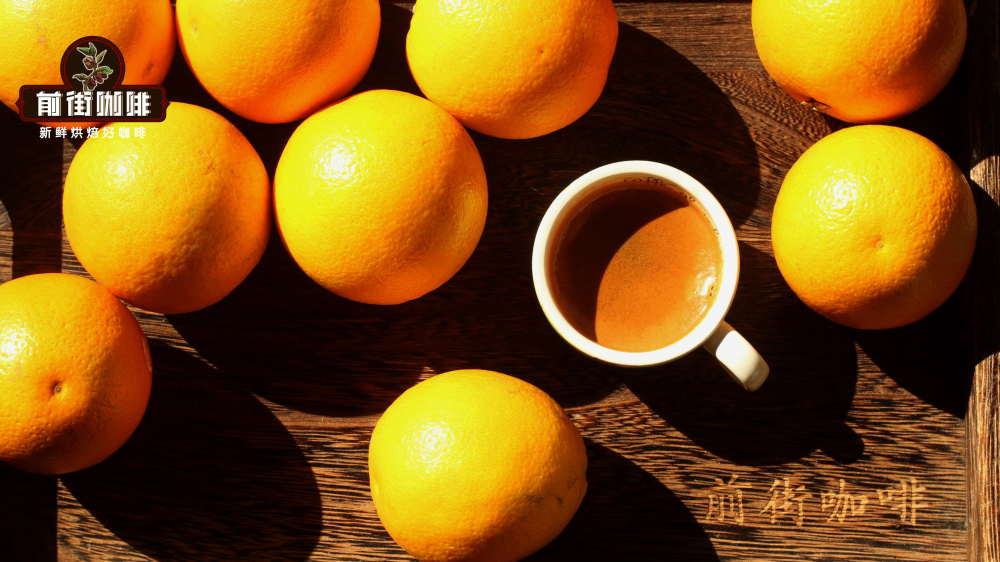 Many coffee roasters design multiple roast profiles for the same bean to cater to different brewing needs. For instance, for naturally processed Hua Kui beans, some roasters offer a medium-light roast suitable for pour over or cold brew, highlighting clear citrus and floral notes. There’s also a medium roast specifically tailored for espresso machines, enhancing sweetness and body to support latte art and milk coffee pairings. Consumers can choose the roast level that best suits their brewing method and taste preferences.
As for which bean varieties are suitable for making SOE? If you enjoy bright sweetness and lively acidity, consider the red cherry natural beans from Aletaland Estate in Yirgacheffe, grown at altitudes between 1700 and 2200 meters. The fully red fruit natural process gives them rich fruity and juicy notes, with common flavor profiles including citrus, berries, and fermentation aromas. The acidity is bright and vibrant, making it ideal for those seeking a fresh flavor profile. If you prefer intense fruitiness and a fuller body, try the Sidamo beans from Boundary Estate in Huila, which undergo a double anaerobic natural process. These beans feature rich passion fruit, grape, and citrus tones. The resulting SOE Americano has clear and layered flavors, perfect for summer iced drinks or enjoying as a single origin.
 However, there are still several details worth noting when actually making SOE. Since SOE typically uses medium-light to medium roasts, it is relatively harder to extract compared to traditional dark-roasted espresso beans. To fully bring out the flavors, it’s recommended to adjust extraction parameters appropriately—such as extending brew time, slightly fine-tuning the grind to a finer setting, or increasing the dose a little to improve overall extraction yield. Additionally, when designing coffee beverages based on SOE, it’s also necessary to reassess the ratio of espresso to milk or water. Reducing dilution appropriately helps the coffee’s own characteristics stand out more, avoiding a final product that is too bland or weak.
In summary, the charm of SOE espresso lies in its ability to showcase the unique terroir and processing methods of a single origin. But it also places higher demands on roasting and extraction. Whether you’re a coffee novice or a barista seeking flavor breakthroughs, understanding the characteristics and adjustment techniques of SOE can help you better appreciate and craft a cup of distinct, single-origin espresso.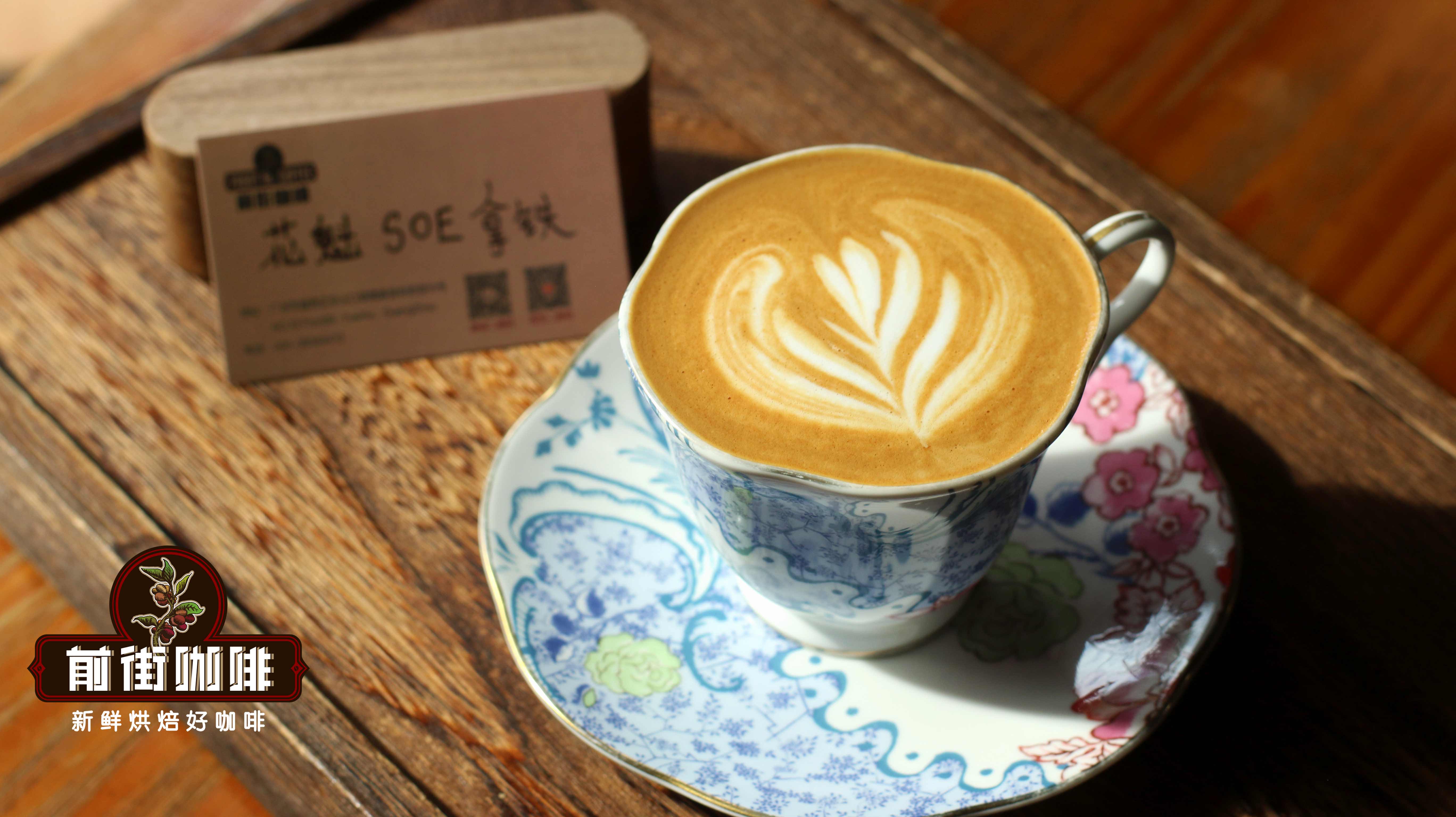
The above content is compiled by CoffeeHunters, a coffee news website.


