







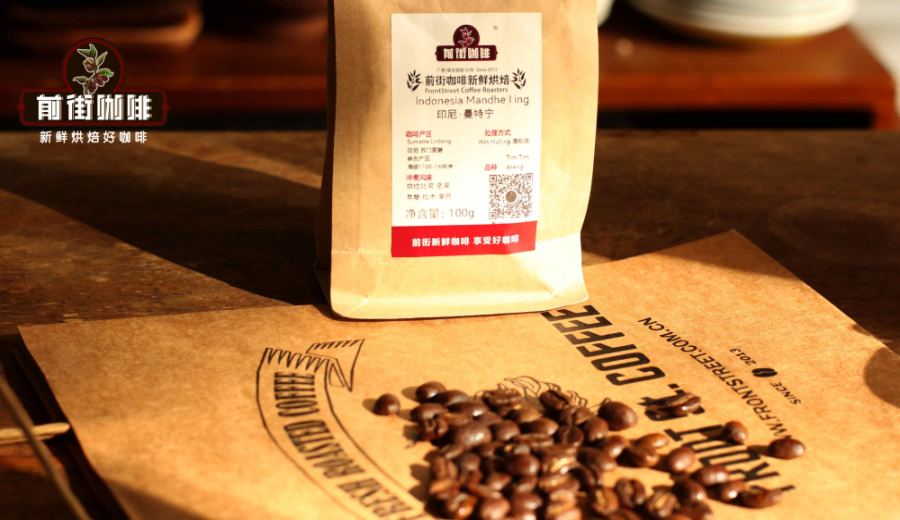
Introduction:Indonesian Sumatra Mandheling is a globally renowned dark-roast specialty coffee, and among them, PWN Golden Mandheling is a high-quality representative. This article delves into the origins of its name, its strict quality selection standards, as well as brewing recommendations suitable for pour over, French press, and other methods, helping coffee enthusiasts understand this classic bean variety that is low in acidity, rich, and smooth.
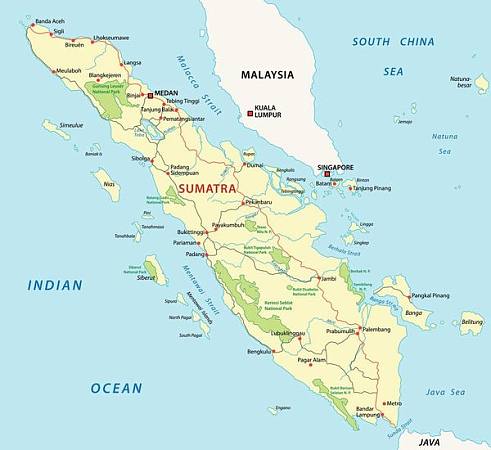
When it comes to representatives of Asian coffee, Sumatra Mandheling from Indonesia is definitely on the list. Among them, PWN Golden Mandheling is beloved by coffee drinkers who do not enjoy sharp acidity for its rich, smooth, and low-acid characteristics. This coffee, which became famous worldwide even earlier than Jamaica Blue Mountain, comes from the Indonesian island of Sumatra, which is divided in two by the majestic Barisan Mountains, with its highest peak — Mount Kerinci, nearly 3,800 meters above sea level — being an active volcano.
Mandheling originally originated from the Mandailing region in northern Sumatra and belongs to the Arabica species, possessing unique herbal and woody aromas, with a strong flavor and long aftertaste. Although it was once thought that Mandheling was more popular among men, in recent years, an increasing number of female consumers have also gradually fallen in love with this full-bodied coffee.
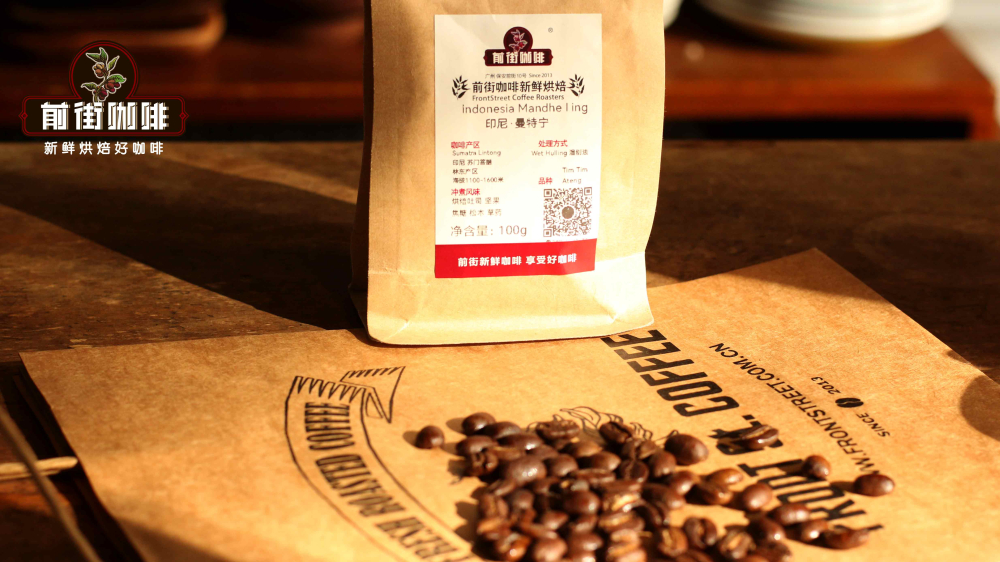
The uniqueness of PWN Golden Mandheling does not lie in it being a grade classification of a certain producing area, but rather it is a trademark registered by the Indonesian coffee company PWN (N.V. Pawani Medan, abbreviated as PWN). Established in 1957, PWN initially mainly exported Grade 1 Arabica beans and Grade AP-I Robusta beans from Sumatra, with markets primarily in Japan and Taiwan, China. It was one of the first companies to promote the name "Mandheling" internationally. Since 1977, PWN has focused on exporting high-quality coffee, with export proportions to Japan and Taiwan exceeding 95%. In those local markets, “PWN” is almost synonymous with a “guarantee of quality.”
So, how strict are the quality standards of PWN Golden Mandheling? First, the coffee beans must reach a uniform size of 19 mesh or larger, belonging to the highest grade, G1. These green beans are dark green in color, regular in shape, and flat beans. During processing, PWN requires mechanical screening once and manual hand-picking three times to ensure that there are no more than 3 defective beans per 300-gram sample. Such strict quality control results in its clean and rich characteristics.
The PWN Golden Mandheling commonly found on the market today is grown in the Gayo highlands of Aceh Province, Sumatra, at altitudes between 1,100 and 1,600 meters, with the variety being Ateng, and processed using the wet-hulled method. The wet-hulled method is a unique process in Indonesia that enhances the coffee’s richness and low-acid traits while bringing out rich spicy and herbal notes.
This coffee is usually medium to dark roasted, which fully showcases a complex flavor profile of chocolate, caramel, spices, and herbs, with intense and layered aromas. Due to its stable flavor and rich mouthfeel, it is very suitable for making SOE single-origin coffee using pour over, drip bags, French press, siphon pot, moka pot, or even home espresso machines. For those new to single-origin coffee, it is a great entry-level choice; and for enthusiasts already familiar with coffee flavors, it also offers a taste of the unique charm of Sumatran coffee.
In summary, PWN Golden Mandheling is not only a high-end representative among Mandhelings but also, due to its strict quality control and unique processing method, has become a classic choice for many coffee drinkers seeking a rich and low-acid cup. If you want to explore the profound flavors of Sumatran coffee, why not start with this Golden Mandheling and experience its diverse expressions across pour over and various brewing methods.
The above content is compiled by CoffeeHunters, a coffee news website.


