







Introduction:Both Hua Kui and Geisha have been standout specialty coffee beans in recent years, but many often confuse the relationship between the two, even mistakenly thinking that Hua Kui is a top-tier Geisha. This article delves into the origin of the name "Hua Kui," its regional ties to Panamanian Geisha, and compares their flavor profiles to help you choose the right coffee beans more accurately—whether you prefer pour over or espresso brewing.
Do Hua Kui coffee and Geisha coffee come from the same origin? This question sparked widespread discussion when Hua Kui first gained attention. This article will take you through the journey of Geisha—from its native Ethiopian forests to Panama’s Hacienda Esmeralda—clarifying the origins of the names “Artiste” (Geisha) and “Geisha,” as well as the naming logic behind grading systems like Red Label and Gold Label. We’ll also revisit how Hua Kui has evolved since winning the 2017 TOH competition, explaining how its name originates from Japanese geisha culture and why it was once misunderstood as a premium-grade Geisha. Finally, we’ll help you distinguish the specific flavor differences between Hua Kui and Geisha and suggest beginner-friendly Geisha-growing regions to explore.
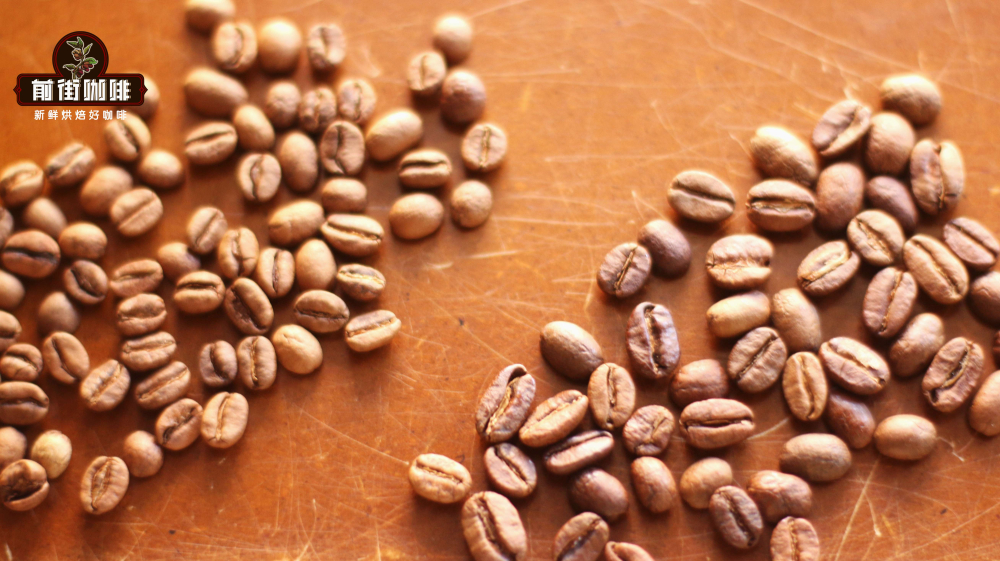
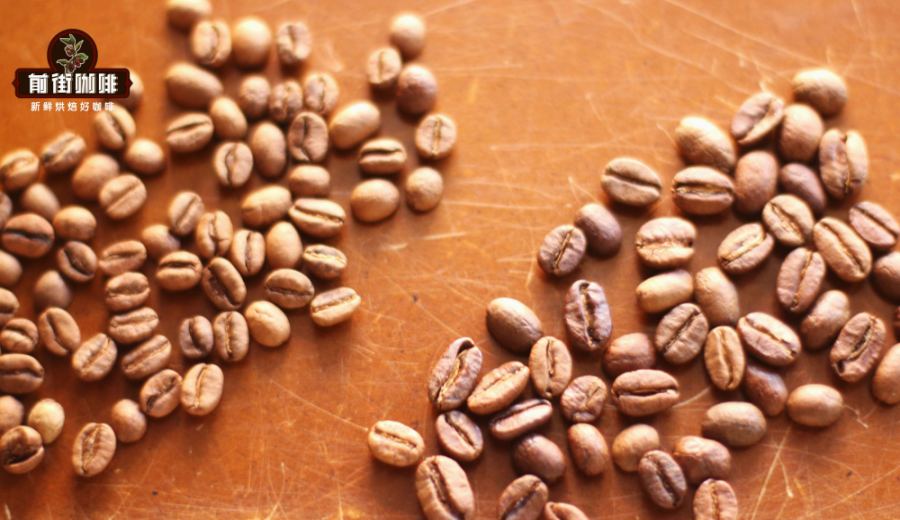
(Left: Sidamo · Hua Kui Coffee, Right: Panama · Geisha Coffee)
During Hua Kui’s peak popularity, many heard the claim that “Hua Kui is the highest-grade Geisha.” While information is more transparent today, this statement indeed caused confusion at the time. The root of the misunderstanding actually stems from another Chinese translation of Geisha: “Artiste.”
“Artiste,” another name for Geisha in Chinese-speaking regions
In 1931, the Geisha variety was discovered in a forest in Ethiopia, but it remained overlooked for over seventy years. It wasn’t until 2004, when Panama’s Hacienda Esmeralda used Geisha (imported from Costa Rica) to win the BOP competition, that the variety began to gain widespread recognition. Since then, Geisha has become a top contender in numerous farms and competitions.
Because “Geisha” shares the same spelling as the Japanese word for “artiste,” businesses in Taiwan directly translated it as “Artiste.” Later, it was discovered that in Ethiopia, Geisha has a dual meaning: it refers both to a specific region in the country’s southwest and to the coffee variety produced there. As a result, in 2006, Mr. Yuan from Kaloum Coffee introduced Panamanian Geisha to mainland China for the first time and named it “瑰夏” (Geisha).
What are some representative top-tier Geisha coffees?
When it comes to Geisha, many coffee enthusiasts immediately think of the Red Label Geisha from Hacienda Esmeralda and the Gold Label Geisha from Gesha Village Estate. Due to their high green bean costs, these products are often listed separately and priced per pour over cup—such as “75 RMB/cup” and “60 RMB/cup”—attracting many consumers eager to try something new.
These Geisha coffees labeled with “Label” are primarily names designed to highlight their grade. Whether it’s Red Label, Gold Label, Green Label, or Blue Label, even if the prefixes don’t directly indicate ranking, it’s understood that these products are among the higher-quality Geisha offerings from their respective estates, and thus may come with a higher price tag. It’s worth noting that this “Label” grading system only exists in the Chinese market, with no direct equivalent in the original English names, which can easily lead to confusion.
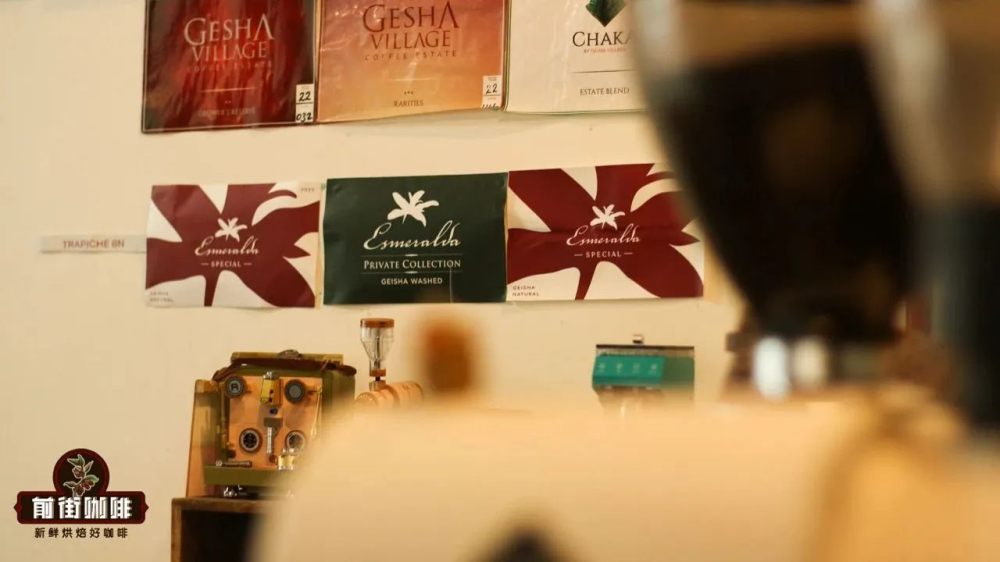
Take Hacienda Esmeralda’s Red Label Geisha, for example. Its official name is “Esmeralda Special,” meaning “Esmeralda Selection,” and it represents the estate’s highest-grade Geisha beans. The beans must score 91 or above in cupping tests, and each batch comes with detailed information on origin and processing. The “Red” in Red Label refers to the base color of its packaging trademark, with Green Label and Blue Label following the same naming logic for easy consumer recognition.
Gesha Village Estate’s Gold Label Geisha, known in English as “Rarities,” means “rare treasures,” referring to the estate’s premium non-auction Geisha offerings. Gold Label accounts for only 10% of the estate’s annual production, and each batch provides detailed plot information. The “Gold” similarly comes from the packaging’s background color. Note that both major estates use red and green as primary grade indicators, so there are two sets of “Red Label” and “Green Label” on the market. When ordering, it’s advisable to confirm the exact origin with your barista.
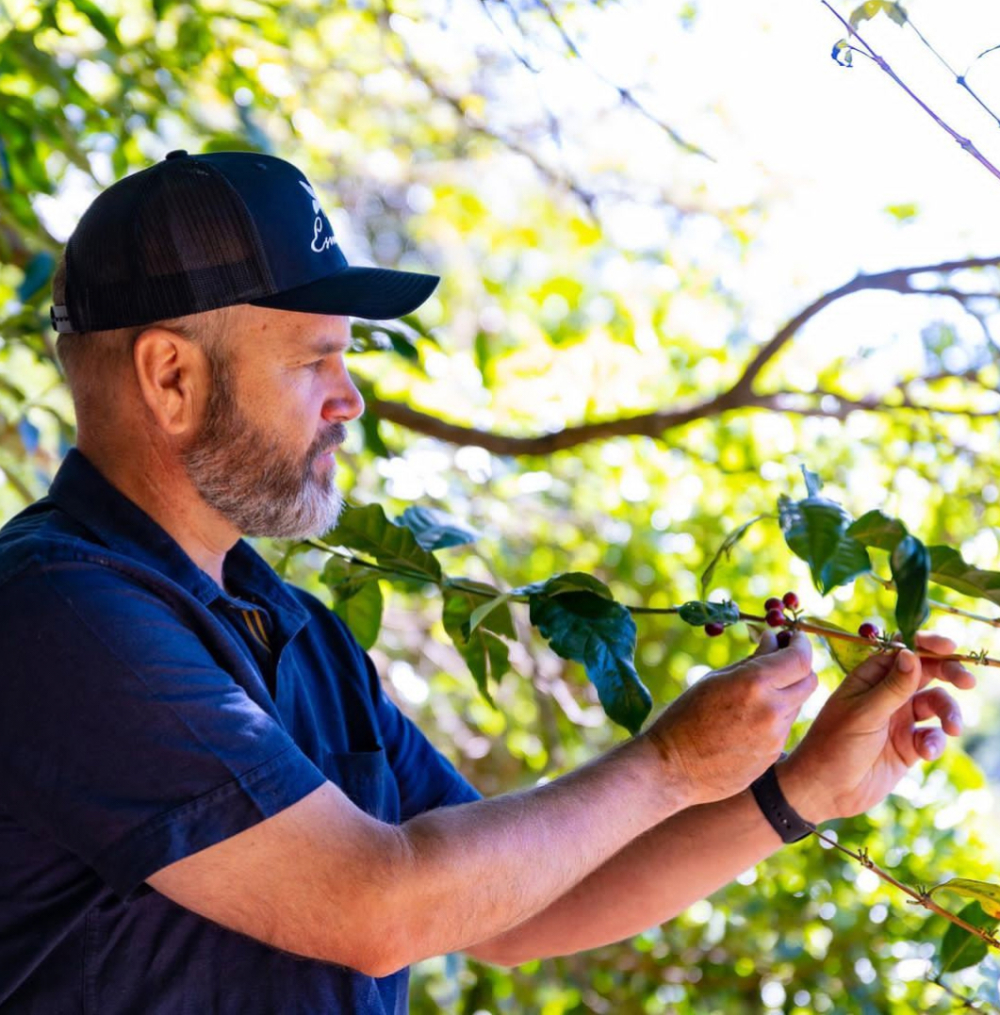
A Continued Favorite — The Rise of Hua Kui
In 2017, Buku Abel processing station in Hambella, Guji, Ethiopia, won the TOH championship with a naturally processed heirloom coffee bean. This bean showcased intense strawberry flavors, high sweetness, and a creamy-smooth mouthfeel—the very coffee later known as Hua Kui.
After its victory, the green beans of this batch were imported by a Beijing-based green bean trader. In the same year, during the World Brewers Cup, Chinese runner-up Li Jianfei used this bean to outperform multiple Geisha entries and ultimately secured second place. This rapid rise in popularity, combined with its excellent cost-performance ratio, quickly won over a broad base of coffee enthusiasts. Since then, each new harvest season has seen the release of Hua Kui with an updated version number, continually sparking market buzz.
What do Hua Kui 8.0 and Hua Kui 9.0 mean?
The naming conventions like “Hua Kui 7.0” and “Hua Kui 8.0” have a special backstory. Typically, coffee bean names relate to variety, origin, or processing station, but Hua Kui, like electronic products, updates its version number annually. Why is that?
Before being called “Hua Kui,” this bean was simply known by its English name “Hambella,” referring to its growing region. Hua Kui is actually a traditional natural-process G1 coffee bean from Ethiopia’s Sidamo Hambella region, more precisely sourced from the Buku Abel processing station in Dimtu town.
As Hua Kui gained fame, to meet market demand, DW Company expanded with five independent natural processing stations within the Hambella Wamena Wereda, all located in the core production area of Dimtu town. These include villages such as Buku Abel, Buku Saysay, Haro Soresa, Tirtiro Goye, and Seke Bokosa. It’s reported that DW’s annual Hua Kui production at the time reached several thousand tons.
Starting in 2018, Hua Kui produced at the same origin and processing stations began showing gradual flavor variations. Cupping results from one coffee shop showed that while 2018 and 2019 Hua Kui retained some similar flavors, they lacked the body and aftertaste of the original Hua Kui. To distinguish batches from different years, domestic green bean trading companies began using the X.0 format for annual naming starting in 2017—for example, 2018 as “Hua Kui 2.0,” 2019 as “Hua Kui 3.0 and 3.1,” and so on. This version numbering allows consumers to clearly identify the specific harvest year of the Hua Kui they’re purchasing.
Why was Hua Kui mistaken for top-tier Geisha?
The reason Hua Kui was misinterpreted as a top-tier Geisha is related to the imagery of its name. Geisha was initially translated in Chinese as “Artiste,” while “Hua Kui” in Japanese culture refers to the most prestigious geisha. Therefore, someone named this coffee bean—intended to surpass Geisha—as “Hua Kui,” implying it could become the top-tier star in the coffee world. However, this idea was gradually misconstrued online, eventually leading to the mistaken belief that “Hua Kui is top-tier Geisha,” which is quite ironic.
How do the flavors of Hua Kui and Geisha differ?
Hua Kui does not excel in floral notes; its flavor profile is dominated by rich fruit aromas, such as strawberry cream, mango, jackfruit, citrus, and blueberry, showcasing the tropical fruit characteristics typical of Sidamo natural-process beans. It was precisely this intense berry fruitiness that made Hua Kui stand out in the 2017 TOH competition.
Taking the new-season Hua Kui 8.0 as an example, its dry aroma is even more complex, featuring guava, jackfruit, apricot, dried fruit, citrus, and pink floral notes. Upon tasting, you’ll experience an interplay of sweet and sour flavors from dried mango, jackfruit, orange, and passion fruit, with pronounced juiciness and a round mouthfeel. As it cools slightly, the acidity of peach and berries becomes more prominent, and the aftertaste offers a black tea-like sweetness with distinct layers.
In contrast, Geisha presents a flavor reminiscent of a fresh floral and fruit tea—bright acidity, complex and nuanced fruit notes, and a unique texture and aroma regardless of serving temperature. As a result, Geisha is often regarded as the “dream coffee” for many coffee aficionados.
If you’re trying Geisha for the first time, it’s recommended to start with its birthplace, Panama, where estates have extensive experience in cultivating and processing the Geisha variety, offering the most representative expressions of its flavor.
The above content is compiled by CoffeeHunters, a coffee news website.


