








Introduction:Thanks to their combination of convenience and flavor, drip bags have become many people's first step into the world of specialty coffee. But do you know the fundamental difference between drip bags and instant coffee? Can one drip bag be brewed more than once? How can you choose a drip bag that suits your taste and use the correct method to brew a rich cup of coffee? This article takes an in-depth look at the origins of drip coffee bags, how many times they can be used, what to consider when choosing them, and detailed brewing steps — helping you master this convenient coffee option that fits modern lifestyles.
As specialty coffee becomes increasingly integrated into daily life, drip coffee bags have emerged as a popular entry point for beginners due to their convenience and flavor performance. But what’s the difference between drip bags and instant coffee? Can a single drip bag be brewed multiple times? And how can you choose and brew it correctly to enjoy a well-rounded cup of black coffee? This article will start with the origin of drip coffee bags, explore suitable brewing frequency, selection tips, and provide detailed brewing steps — helping you easily enjoy a richly aromatic drip coffee even with a busy lifestyle.
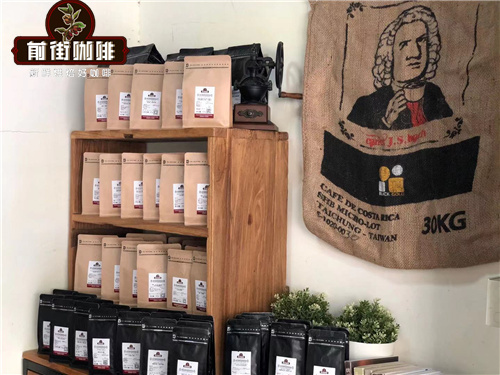 The rise of specialty coffee has driven the diverse development of coffee culture, with steady growth in the sales of both manual brewing tools and various types of coffee beans. For many consumers, what they care about most may not be the profound aspects of coffee culture, but rather how to enjoy a good cup of coffee that suits their personal taste. Especially in today’s fast-paced life, drip coffee bags, with their simple operation, have become the top choice for many. However, when faced with a wide variety of drip bag products on the market, some basic knowledge and skills are still needed to pick the ones truly suited to you.
The origin of drip coffee bags can be traced back to Japan, where the well-known coffee brand UCC Ueshima Coffee first introduced them. This simple yet convenient coffee format allows busy modern individuals to enjoy flavors close to those of hand-brewed coffee, even at home or in the office. With the promotion of specialty coffee, drip coffee bags have gradually gained widespread popularity and become one of the daily choices for many coffee enthusiasts.
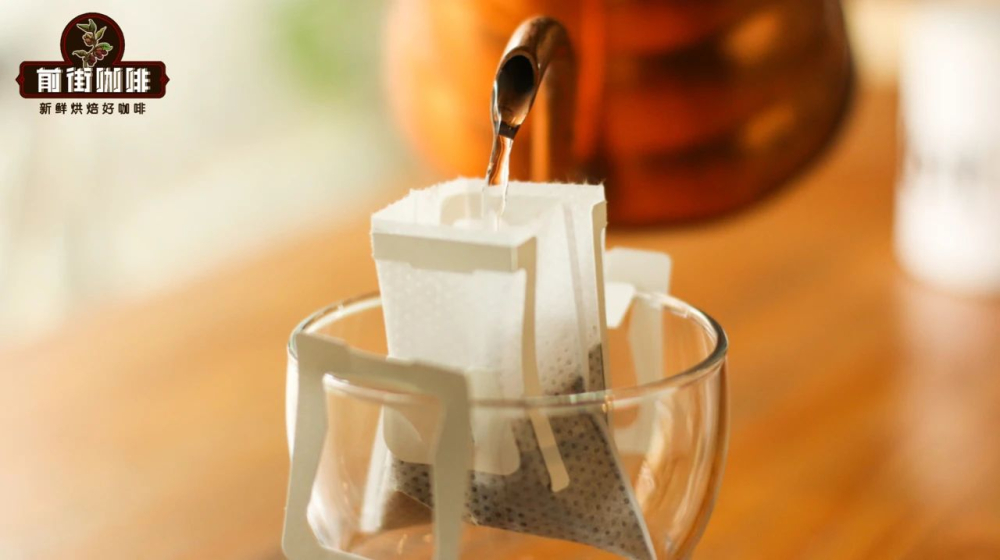 A common question among many users is whether drip coffee bags can be brewed more than once. First, we need to understand that, like other agricultural products, coffee values freshness and optimal flavor period. Generally, only about 3% of the flavor compounds in coffee can be effectively extracted, with the rest being very difficult to dissolve. As such, it’s usually recommended to brew just once. Experiments have been conducted trying to brew a drip bag a second or even third time, but the results showed that after the first extraction, there was almost no significant flavor left in subsequent brews, and issues like over-extraction often arose, increasing bitterness and masking the original layers of flavor in the coffee.
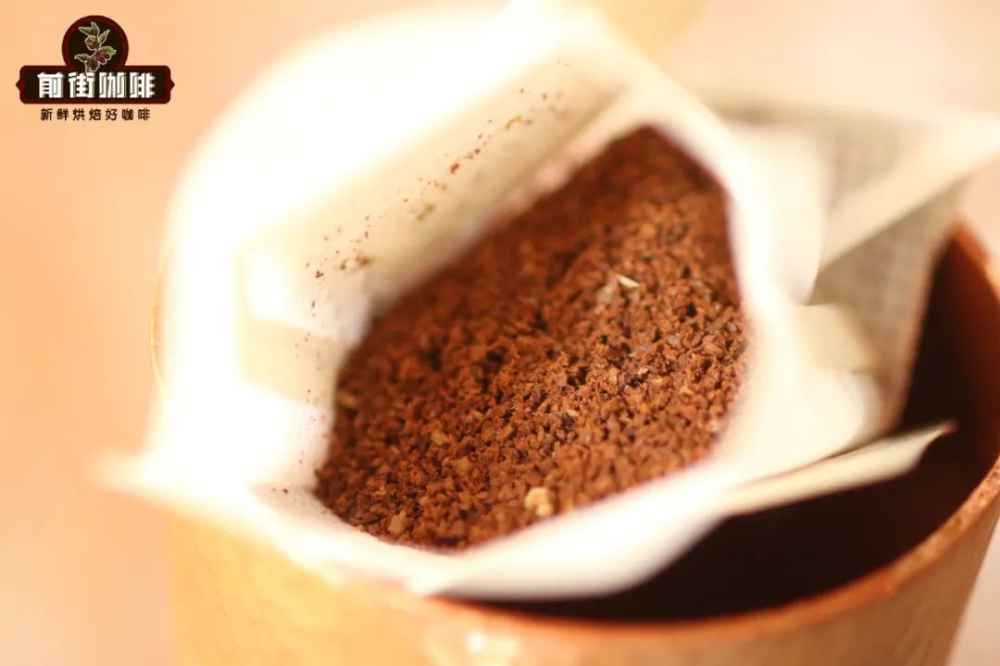
In addition, each drip coffee bag typically contains about 10 grams of coffee grounds — an amount originally designed for single use. If you try to rebrew it, although it might still taste strong, that’s actually due to an increased release of caffeine, while bitterness and astringency are also amplified. The overall flavor quality has already been greatly compromised. Therefore,it is recommended to brew only once per bag to fully experience the complete flavor profile of the drip coffee..
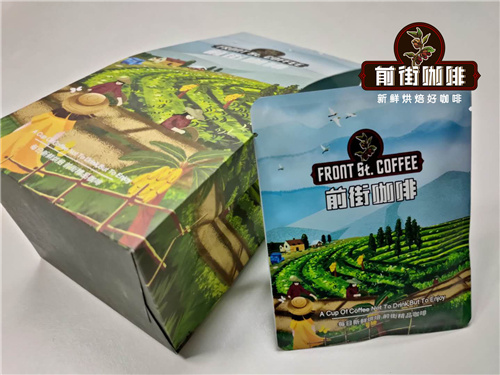 When choosing a drip coffee bag that suits you, the primary considerations are flavor preference and the freshness of the coffee beans. Coffee beans from different regions have their own unique flavor characteristics — for example, Ethiopian Yirgacheffe often features distinct lemon and citrus notes, Indonesian Mandheling is known for its full body, low acidity, and spicy feel, while Panamanian Geisha is famous for its rich floral and fruity aromas. However, regardless of the flavor you choose, freshness remains key.
To determine whether a drip coffee bag is fresh, you can consider the following aspects: First, check theroast dateon the packaging — this reflects the coffee’s freshness better than the expiration date. Second, pay attention to the packaging design. Although some commercial products include a degassing valve to help release gases, too much air exposure can actually accelerate aroma loss. Therefore, it’s advisable to choose packaging with good sealing and not overly ventilated. Moreover,it’s recommended to avoid buying large quantities of drip coffee bags at onceto prevent them from sitting too long and missing their optimal drinking window.
In terms of flavor options, drip coffee bags come in single-origin and blended varieties. Single-origin drip bags better showcase the unique terroir characteristics of specific regions. For instance, Brazilian red fruit coffee often carries notes of nuts, chocolate, and creaminess, while Panamanian Flower Dance, with its Geisha lineage, exhibits intense floral and citrus aromas. Additionally, different processing methods also influence the final flavor — for example, the natural (sun-dried) method enhances sweetness and fruitiness, the washed method offers a cleaner and crisper taste, and the honey process falls somewhere in between, delivering higher sweetness and body.
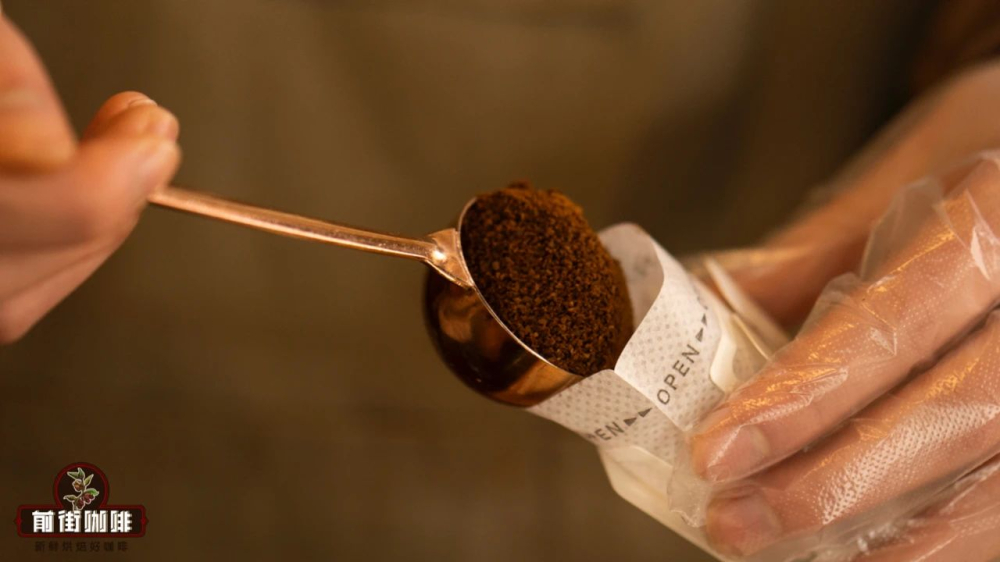 To brew a delicious cup of drip coffee, understanding grind size and brewing parameters is crucial. Drip coffee generally uses a medium-fine grind to balance extraction efficiency and flavor delivery. Water temperature should be adjusted according to roast level:light roasts are recommended to use 90–92°C, while medium-dark roasts are suggested around 88°C, to fully bring out the coffee’s aroma and complexity.
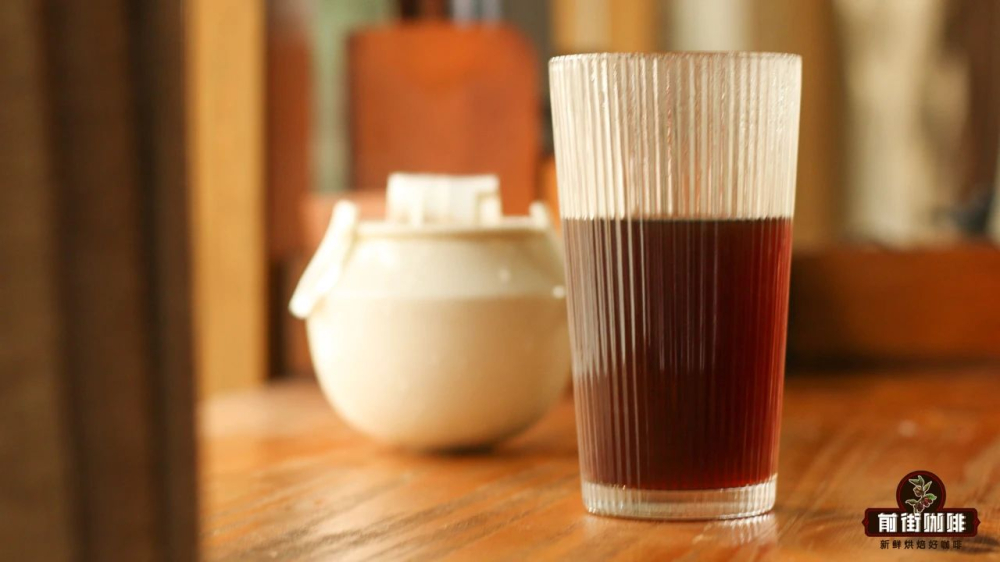
Here are the standard brewing steps for drip coffee: First, warm the cup by pouring hot water into it to help maintain the coffee’s temperature and flavor. Next, prepare hot water at the right temperature — it’s advised to let freshly boiled water sit for 1–2 minutes until it cools to about 90°C. Then, open the drip bag’s seal, gently shake the coffee grounds to evenly distribute them, hang the drip bag on the edge of the cup, and perform a pre-wet (bloom) with a small amount of hot water for about 20 seconds to allow the coffee grounds to fully absorb the water. After that, proceed with the main pouring, aiming for a total of 150–180cc of water, using a thin, steady stream to ensure even extraction. Finally, you can enjoy a cup of well-balanced drip coffee, savoring the different flavor layers that emerge as the temperature changes.
The above content is compiled by CoffeeHunters, a coffee news website.


