







Introduction:Want to enjoy a refreshing iced coffee in the summer but can’t decide between cold drip, cold brew, or iced pour over? Though all three brewing methods fall under the low-temperature coffee category, they differ greatly in flavor profiles, recommended beans, and preparation processes. This article explores the extraction principles behind each method, detailing their unique flavor characteristics, recommended beans, practical brewing parameters, and debunking common caffeine myths—helping you find your ideal iced coffee based on taste preference.
As summer arrives, many people begin searching for beverages that are both cooling and energizing, making iced coffee a popular choice. However, when walking into a café or shopping for coffee beans, have you ever been confused by the similar-sounding yet vastly different iced coffee options—“cold drip,” “cold brew,” and “iced pour over”? These three coffee types are all extracted at low temperatures, but differ not only in brewing techniques and time, but also in the final flavor profiles they produce.
Cold Drip CoffeeUsing cold water formed by the natural melting of ice, this method slowly extracts coffee grounds through a drip process, which can take as long as 6 to 8 hours. Often, it even requires a resting period after extraction to allow for fermentation, resulting in an extremely clean and delicate taste with unique fermented aromas. This method is particularly well-suited to medium-roasted beans processed via natural or honey methods, often delivering sweet notes reminiscent of fruit wine, raisins, and peaches.Image placeholder: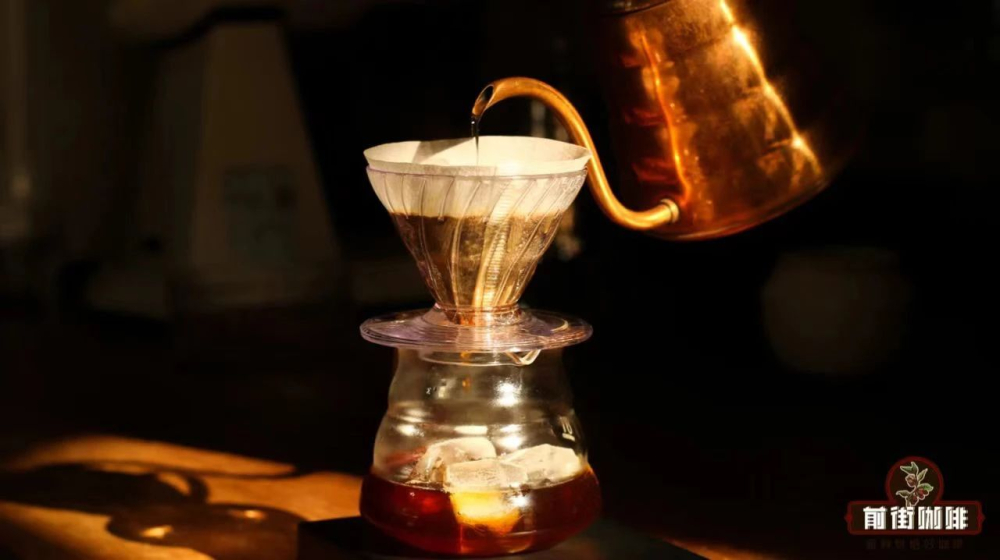
In terms of specific operation, it is recommended to use about 60 grams of coffee grounds to extract approximately 600 milliliters of coffee liquid, with a coffee-to-water ratio of around 1:10. The grind size should be slightly finer than that used for regular pour over, ideally with an 85% extraction rate through a No. 20 sieve. The ice-to-water ratio is suggested to be maintained at 1:1, with the drip rate adjusted to about 7 drops per 10 seconds. Throughout the process, a moistened filter paper should be used to ensure even extraction. Finally, the finished coffee liquid should be refrigerated for 12 hours before consumption.Image placeholder: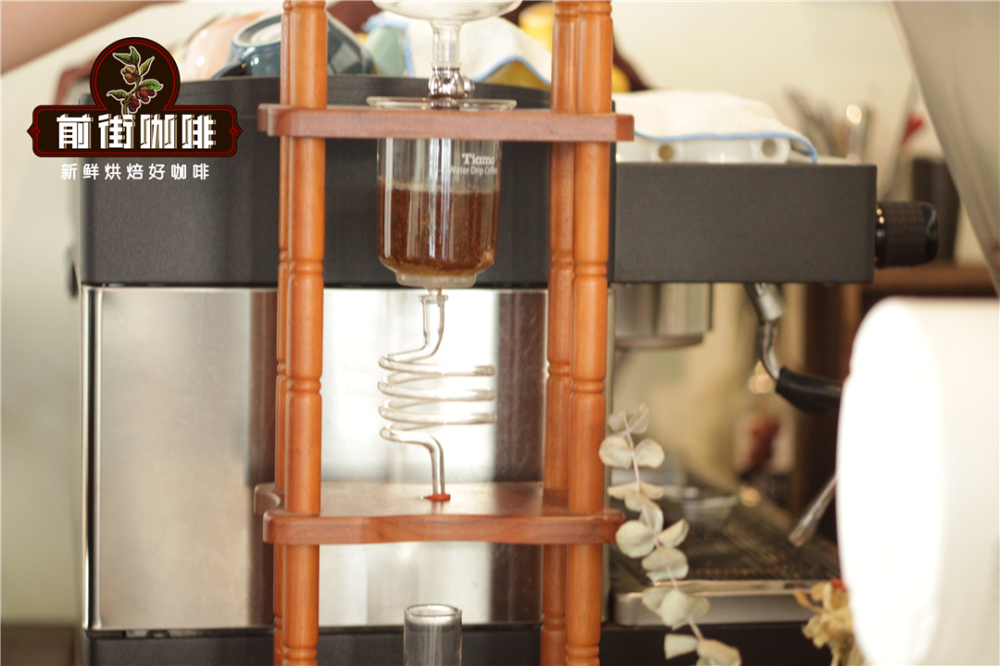
Cold Brew Coffeeinvolves steeping coffee grounds with cold water (or a mixture of water and ice) in a sealed container for an extended period of cold refrigeration. The process is simple and doesn’t require complex equipment. It’s generally recommended to use light to medium roasted beans with a clean and bright profile—those with pronounced fruity notes and soft acidity—which can impart a tea-like freshness in cold brew, along with delicate floral and honey aromas.
For preparation, use 50 grams of coffee grounds as a base, combined with 400 milliliters of room-temperature water and 200 grams of hard ice cubes—totaling 600 milliliters—for a coffee-to-water ratio of 1:12. The grind size should be similar to that for pour over but slightly finer, with an 85% extraction rate through a No. 20 sieve. Mix all ingredients evenly, seal the container, and refrigerate for 8 to 24 hours. Then filter out the coffee grounds with paper and refrigerate the final product for about 4 hours before drinking.Image placeholder:
Iced Pour Over Coffeealso known as Japanese-style iced pour over, is characterized by first extracting with hot water and then cooling down the coffee by adding ice. It uses a lower coffee-to-water ratio, and the resulting more concentrated coffee liquid helps counteract the dilution caused by the ice. This method preserves the layered complexity of hot pour over while offering a brighter, more refreshing flavor profile, making it suitable for those who enjoy sour-sweet tastes and floral-fruit aromas.
It is recommended to use light to medium roasted beans—those rich in floral notes and precursors for sour-sweet flavors. For home brewing, a good starting point is 15 grams of coffee grounds, ground slightly finer than for regular hot pour over, aiming for an 85% extraction rate through a No. 20 sieve. The ratio of coffee, water, and ice is 1:10:5, with water temperature maintained at 90°C to 93°C for light roasts or 87°C to 89°C for medium roasts, and extraction carried out in three stages as with hot pour over. After completion, gently shake or stir the filter to allow the ice and coffee liquid to fully integrate, achieving effective cooling and stabilizing the concentration.Image placeholder: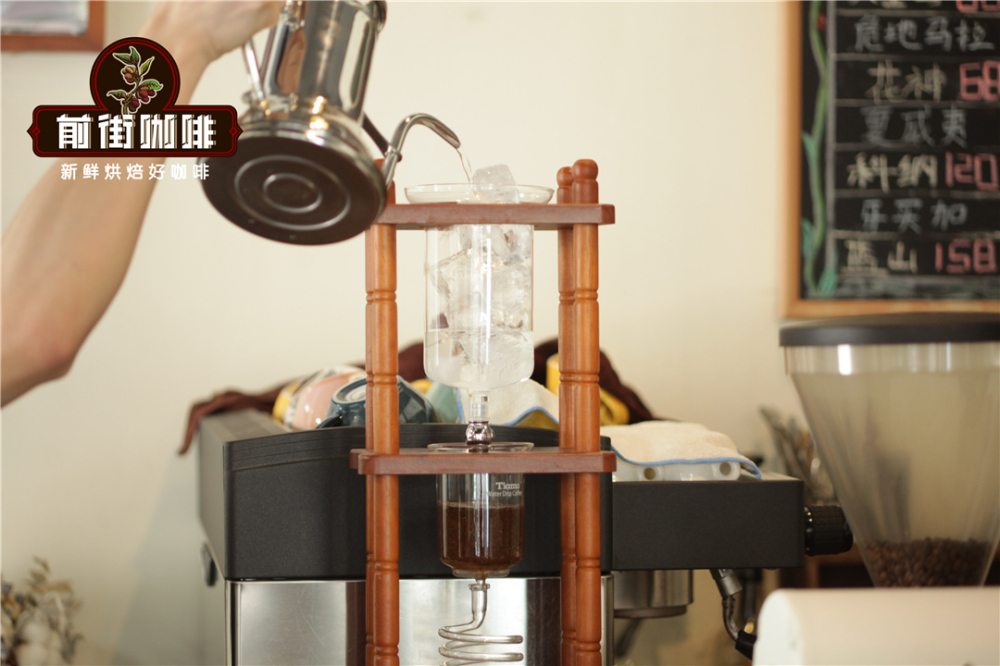
Among the three iced coffee methods,iced pour overprimarily extracts the middle-to-front compounds of the coffee bean, adjusting concentration and temperature through ice dilution. It results in a clean and distinctly bright flavor.Cold drip coffeedue to its long-duration, low-temperature dripping, extracts more small-molecule substances such as floral and acidic notes. The low-temperature fermentation also adds depth and a uniquely fermented character to its flavor.Cold brew coffeeon the other hand, due to the steeping process, allows oils to surface more easily, resulting in a relatively fuller and more balanced mouthfeel. It presents clear acidity without prominent bitterness and has a higher flavor endurance.Image placeholder: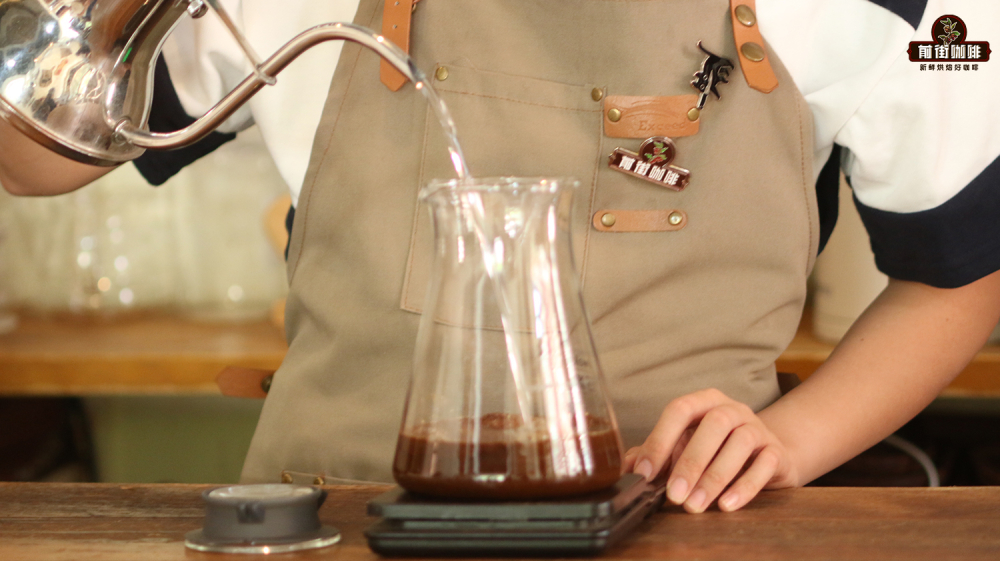
Regarding caffeine content, many assume that cold drip or cold brew—being extracted at low temperatures—contain less caffeine. However, although cold water slows down caffeine release, the cumulative effect over a long duration can still reach a considerable concentration. Caffeine extraction is closely related to the bean variety, water temperature, dripping interval, and total extraction time, so the caffeine difference among these brewing methods can be quite significant. As a general guideline, adults are advised not to consume more than 400 milligrams of caffeine per day, though actual intake should be adjusted based on individual constitution and sensitivity.Image placeholder:
The above content is compiled by CoffeeHunters, a coffee news website.


