







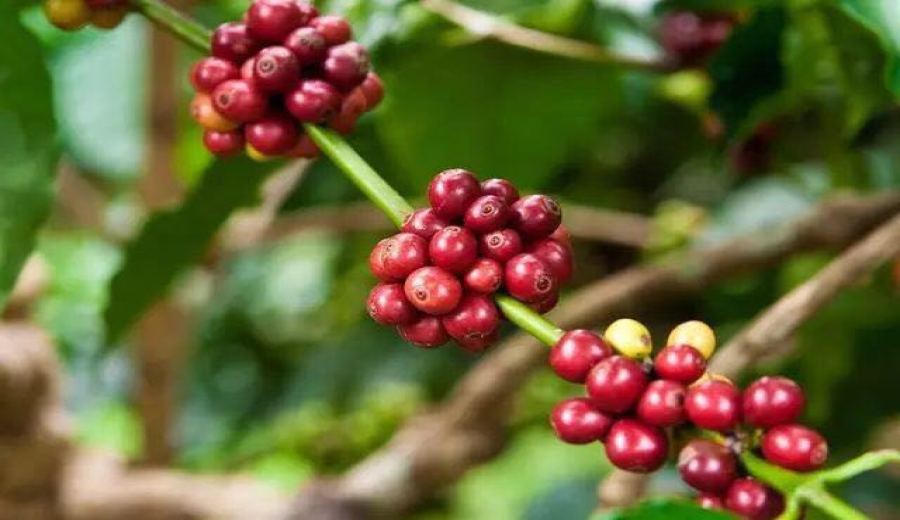
Introduction:Ecuadorian coffee benefits from the unique advantages of high altitudes in the Andes Mountains and equatorial climate, not only producing both Arabica and Robusta, but also featuring rare growing regions such as organic cultivation on the Galápagos Islands. This article delves into the flavor profiles of its representative varieties—Bourbon and Sidra—and introduces mainstream washed processing methods along with key brewing recommendations to help you grasp the refined characteristics of this niche South American coffee.
Located along the equator in South America, Ecuador relies on high-altitude regions, mineral-rich volcanic soils, and diverse microclimates, creating the rare conditions for cultivating both Arabica and Robusta. In particular, the Andean highlands above 1,400 meters elevation nurture many specialty-grade Arabica beans, while coastal and rainforest areas predominantly grow Robusta, often used for instant coffee production. Understanding this background can help you better appreciate the diverse sources of flavor in the country’s coffee.
Since the introduction of coffee trees in 1875, Ecuador’s planting techniques and quality management have undergone long-term refinement. Notably, harvests typically taken in early June each year have been acclaimed as offering “world-class top-tier flavors.” The country is mainly divided into two major varieties—Galápagos and Higante—both known for their large bean size and high density. Based on quality grading, Ecuadorian coffee is categorized into first grade and premium grade, with many high-quality batches mainly exported to Northern European markets. This international recognition reflects its stable production standards and unique terroir conditions.
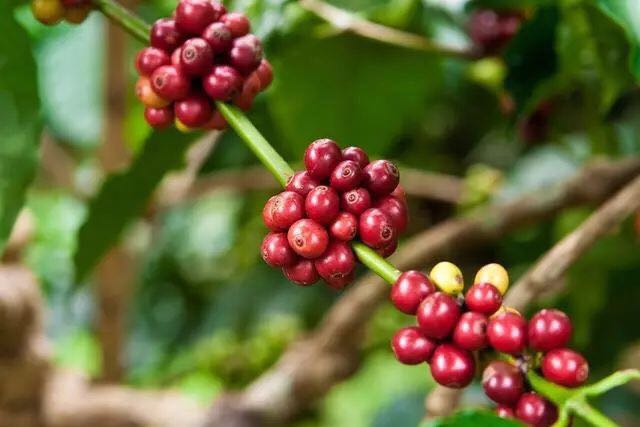
Coffee cultivation in Ecuador faces numerous challenges. As the equator runs through the entire country and the terrain varies dramatically—from tropical rainforests to high mountain ranges—microclimates change frequently. Some regions experience heavy fog in the early morning and afternoon, sometimes lasting all day, which affects drying operations and may even force farms to halt production. In addition, high temperatures and intense sunlight can also interfere with the ripening of coffee cherries. To maintain a consistent quality level year-round, farmers need to invest more effort in adjusting planting and harvesting strategies.
Coffee produced on the Galápagos Islands is regarded as a model of organic cultivation. Due to the volcanic soil, unique maritime microclimate, and the government’s strict ban on chemical fertilizers, pesticides, and herbicides, a completely natural growing environment is created. The coffee farms here mostly adopt shaded cultivation. Although the beans grow at around 200 meters above sea level, the oceanic regulatory effect means the actual climate conditions are similar to those found at 1,000 to 1,800 meters altitude on land, helping to form a full body and soft floral notes. This region has also earned certifications from OCIA and the Rainforest Alliance, making it a must-try origin for consumers seeking sustainability and natural flavors.Image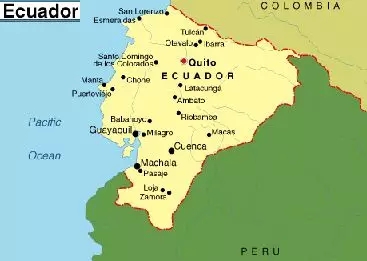 Showcases the unique ecological environment of this region.
Among Ecuador’s many coffee-growing regions, the Intag Valley is located on the western foothills of the Andes. Combining high altitude with coastal microclimates, its Arabica coffee achieves an excellent balance between acidity, sweetness, and bitterness. The Pichincha Province mainly grows Robusta, predominantly in the northwest. The Loja region, adjacent to the Andes Mountains and situated at elevations between 1,450 and 2,000 meters, is one of the country’s highest-altitude coffee-growing areas. It primarily cultivates the Typica variety, often processed using the washed method and shade-grown, resulting in distinctive regional flavors.Image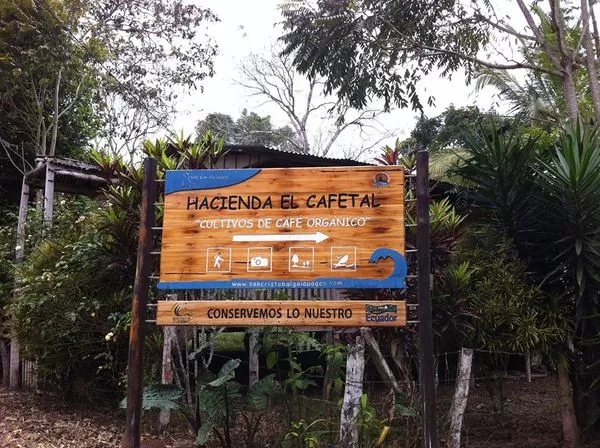 Depicts the magnificent mountainous landscapes and growing environments of the area.
While Bourbon is the predominant variety in Ecuadorian coffee, the country also nurtures a promising new variety—Sidra. This hybrid of Bourbon and Typica, when grown at suitable altitudes and carefully processed, exhibits distinct floral and fruity aromatic notes. Its flavor profile is novel and layered, holding potential to elevate Ecuador’s visibility in the global specialty coffee market. The Bourbon variety itself originated in Yemen’s Mocha region, was later introduced by the French to Bourbon Island (now Réunion) in Africa, and then spread to Central and South America. It is a common winner variety in global specialty coffee competitions and is widely cultivated in major producing countries such as Brazil.Image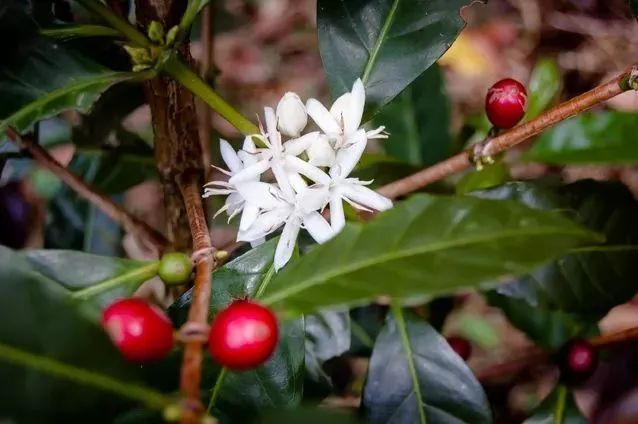 Shows the typical appearance of Bourbon beans.
Washed processing is the mainstream method for Ecuadorian coffee, effectively enhancing the coffee’s cleanliness and clarity of flavor. The standard process includes: bean selection (removing unripe cherries and impurities), pulp removal, fermentation (18 to 36 hours to break down mucilage), washing to remove residues, drying (1 to 3 weeks via sun or machine), and finally hulling to remove the parchment and silver skin. Each step requires precise control to ensure the pure expression of the final flavor.
The overall flavor characteristics of Ecuadorian coffee showcase a typical South American style: mild and understated acidity, rich and layered aromas, unobtrusive bitterness, a clean mouthfeel, and a long aftertaste. Some regions, due to high altitude and shaded cultivation, also carry subtle floral notes and caramel-like finish, appealing to drinkers who prefer delicate and balanced profiles. For pour over brewing, it is recommended to use medium-fine grind (similar to superfine sugar), water temperature controlled at 90–93°C, and a coffee-to-water ratio of 2:1 to 2.5:1 to fully highlight its nuanced flavors.
Regarding coffee bean freshness, it is advised to choose products shipped within 5 days post-roast and consume them within 4 to 7 days upon receipt, when the flavors are at their peak. If purchasing coffee powder, although it can be brewed immediately, note that oxidation occurs more rapidly and flavors can dissipate easily. Therefore, buying whole beans and grinding them fresh for brewing is highly recommended for the optimal tasting experience.Image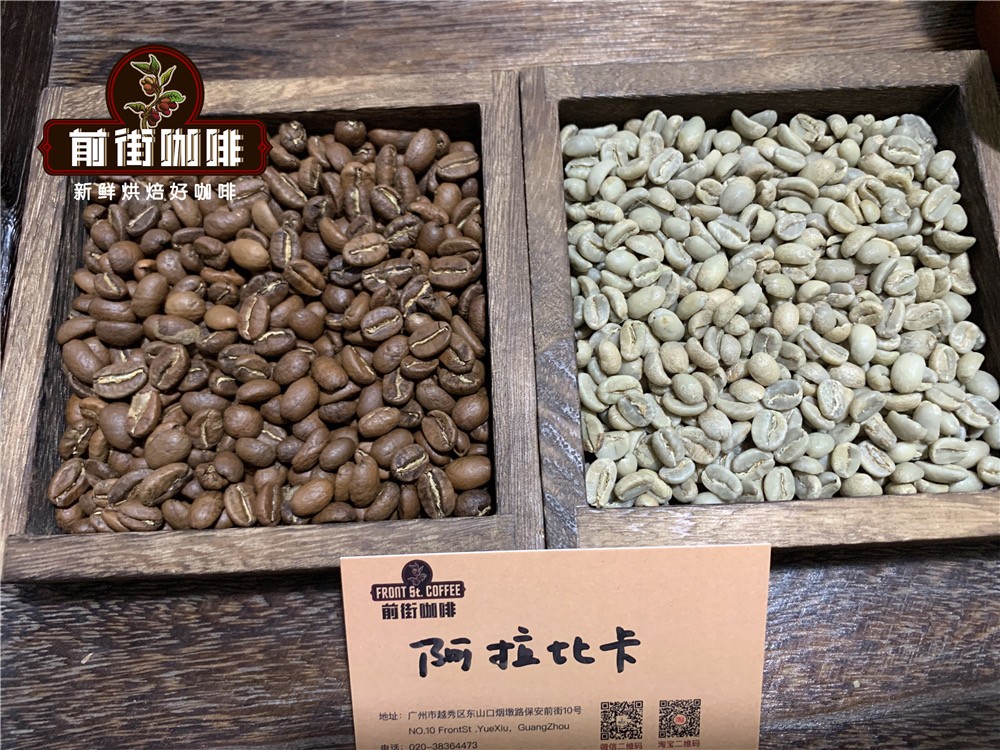 Depicts a typical pour over brewing scenario.
The above content is compiled by CoffeeHunters, a coffee news website.


