








Introduction:Coffee beans from the same growing region can taste vastly different in the cup, all due to variations in processing methods. This article delves into the key differences between washed and natural (sun-dried) processing — from fermentation principles and drying methods to final flavor profiles. Taking the renowned Yirgacheffe region as an example, we conduct a practical comparison of dry aroma and taste differences between the two methods, and also offer expert pour-over brewing recommendations to help coffee enthusiasts understand the origins of flavor and choose beans that best suit their palates.
The allure of coffee doesn’t lie in the seed itself, but in the complex aromas and layered flavors released after roasting — from bright fruit acidity to rich sweetness. The flavor profile is often determined by the processing method. Among these, washed and natural are the two most common processing approaches. Just this single variation in step can lead to dramatically different cup characteristics from beans of the same origin. This article will explore the core distinctions from a technical standpoint and use Ethiopia’s Yirgacheffe as a case study to contrast flavor differences and provide pour-over suggestions.

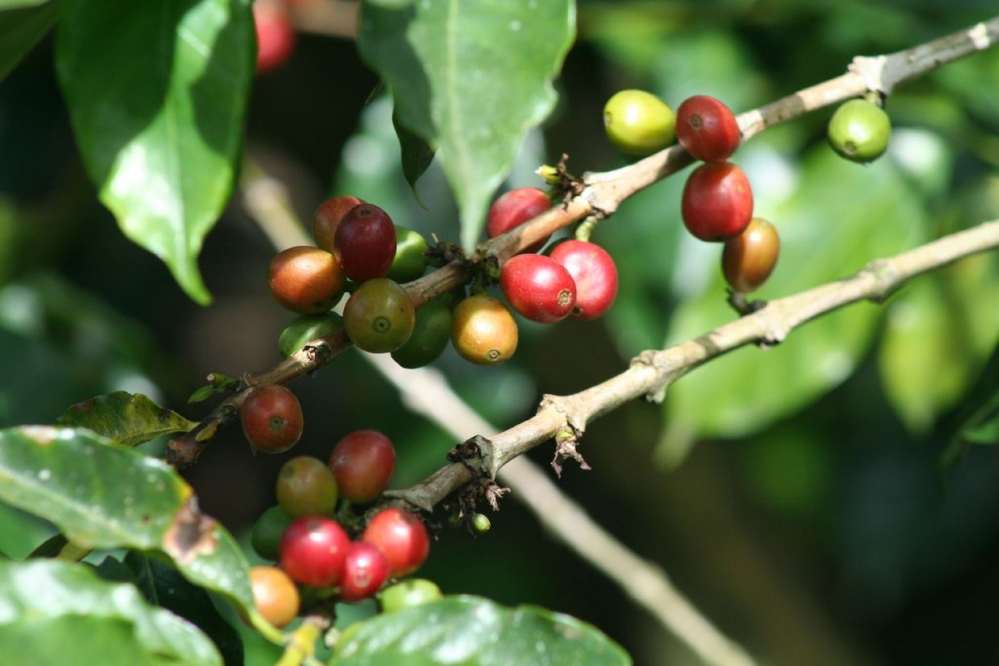
The journey of coffee beans begins with the coffee cherry — a fruit that resembles a red date and contains two seeds (the future coffee beans) inside each one. From harvest to roasting, “processing” is the crucial first step that determines flavor direction. Processing refers to the removal of the pulp, mucilage, and other outer layers, while preserving the coffee seed. Washed and natural are two mainstream methods.
Natural (Sun-Dried) MethodThis process is straightforward: harvested coffee cherries are first sorted to remove unripe or defective fruits, then placed whole under the sun to dry (typically for 2–3 weeks). Throughout this period, the mucilage remains attached to the bean surface, fermenting together with the seed, which imparts a richer fruity and sweet profile to the coffee.The degree of fermentation is significantly affected by ambient temperature and humidity—for example, Brazil’s Minas Gerais region has a drier climate leading to gentler fermentation and more nutty flavors, while many Latin American regions experience more vigorous fermentation, often yielding tropical fruit and wine-like notes. In addition, there are also modern fully-washed processes using mechanical drying, which are also categorized as natural.
Traditional natural processing often uses African-style raised beds to elevate the cherries, preventing ground moisture and soil contamination while improving airflow. During drying, strict temperature control is required (avoid exceeding 30°C to prevent over-fermentation), and the entire process usually takes over 20 days, allowing microbes and pulp to act slowly. As a result, the final product oftenfeatures prominent sweetness, accompanied by distinct tropical fruit (like mango and berry) notes.
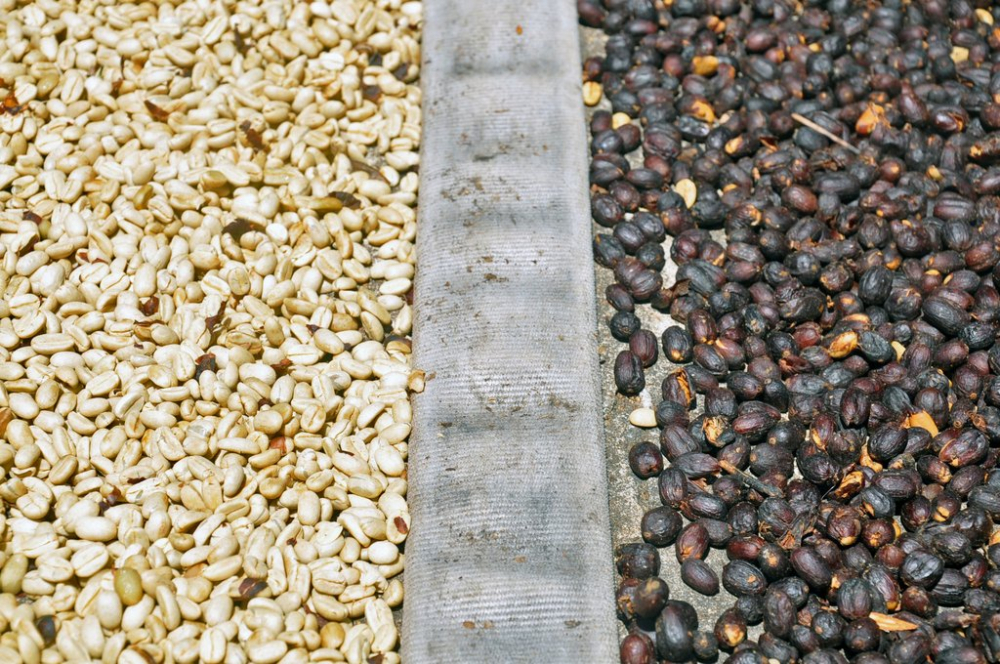
Washed MethodThis process places greater emphasis on precise control: first, the skin and pulp are removed, leaving the beans coated in mucilage, then water and fermentation are used to strip away the mucilage layer. Specifically, harvested coffee cherries are sorted and then stripped of the outer skin and most of the pulp. The beans, still covered with mucilage (a sticky layer), are placed in water tanks for fermentation. Fermentation typically lasts about 24–30 hours (adjusted according to temperature), during which microbes and enzymes break down the mucilage, which is then rinsed clean with water. Some regions also use dry fermentation (without soaking, just static fermentation followed by washing). After fermentation, the beans are dried by sun or machine until the moisture content stabilizes (usually 11%–12%) to prevent mold. Well-processed washed beans generally have acleaner, more balanced flavor, with bright yet soft acidity. Specific characteristics vary depending on water quality, fermentation time, and drying conditions.
After washed processing, defective beans (like black beans or insect-damaged beans) are sorted out, and only intact ones are retained. Depending on roast level, various flavor dimensions are revealed. Every subtle difference throughout the process from harvest to roast accumulates — which is why coffee flavors are so diverse.
Taking the well-known Yirgacheffe region as an example, the flavor differences between washed and natural processing are especially pronounced:Washed Yirgacheffe presents the “base flavor profile” of the region, while natural adds a richer layer of aromatic complexity on top of that foundation.
Hands-on cupping notes show:
• Dry Aroma: Natural Yirgacheffe carries light fermented wine-like aromas and subtle spicy notes; Washed Yirgacheffe emits fresh jasmine floral and citrus-like acidity.
• Mouthfeel: The natural version features a more complex flavor profile — besides the fermented wine notes, there’s also a roasted bitter base, honey sweetness, cocoa undertones, and hints of spice. It has a full body (rich mouthfeel) and a long-lasting finish. The washed version centers on bright lemon acidity, offering a refreshing citrusy taste, with a subtle black-tea-like texture emerging in the latter part. Both retain lemon and citrus fruit acidity, but the washed version is more direct, while the natural is more integrated.
Pour-Over Brewing Recommendations (using 15g coffee grounds and 230ml water as an example):
• Natural Yirgacheffe: Use 89°C water, a V60 dripper, grind size around Fuji Royal #4 (medium-fine), water-to-coffee ratio 1:15. First pour: 30g water for a 25-second bloom. Second pour: add 104g water then pause, continue pouring until total water reaches 230g, discarding the last few drops. Total brew time is approximately 2 minutes 12 seconds.
• Washed Yirgacheffe: Use 92°C water, same dripper and grind size, water-to-coffee ratio 1:15. First pour: 30g water for a 28–30 second bloom. Second pour: add 110g water then pause, continue pouring until 230g, discarding the tail end. Total brew time is approximately 2 minutes 15 seconds.
These parameters are designed to highlight Yirgacheffe’s floral and fruity acidity traits, ideal for coffee lovers who enjoy bright and vibrant profiles.
In summary, the difference between washed and natural processing lies not only in the steps involved, but also directly impacts the final flavor expression of the coffee. With an understanding of these principles, next time you select coffee beans, you can start with the processing label to anticipate the aroma and taste in your cup — and find the one that suits your palate best.
The above content is compiled by CoffeeHunters, a coffee news website.


