








Introduction:On hot summer days, a refreshing and smooth cold brew coffee becomes the go-to pick-me-up for many. But is the caffeine content in cold brew really high? In fact, factors such as brewing time, coffee-to-water ratio, and bean variety all affect the final concentration. This article explains the principles of cold brew, analyzes how different roast levels influence flavor, and selects six coffee beans ideal for cold brewing—including Panama Geisha, Strawberry Candy, and Brazilian Queen—providing specific grind-to-water ratios and steeping recommendations to help you brew a well-balanced iced coffee at home.
In recent years, cold brew coffee has gained global popularity for its smooth, mellow, and low-acid profile, especially becoming a favorite among coffee enthusiasts in the summer. Compared to traditional hot brewing, cold brew involves mixing coarsely ground coffee with cold water at a coffee-to-water ratio of 1:8 to 1:12, then letting it steep in an environment below 5°C for 8 to 16 hours. The process is similar to cold steeping tea but better highlights the inherent sweetness and complex layers of the coffee.
Regarding the caffeine content in cold brew coffee, a common misconception is that because it steeps for a long time, it must have higher caffeine. In reality,the caffeine concentration in cold brew depends on three key factors: coffee bean variety, coffee-to-water ratio, and brewing time.Generally speaking, using the same weight of coffee beans, the total caffeine content in cold brew and hot brew doesn’t differ much, but because cold brew is usually consumed in larger quantities and feels less diluted, some people may perceive a more noticeable energizing effect.

Cold Brew, also known as cold drip or ice-brewed coffee, shares a similar principle with cold steeped tea: a large amount of coffee grounds is directly added to cold water (typically recommended at 4–8°C), and left to steep for at least 8 hours, allowing the coffee flavors to slowly release. This method not only reduces acidity and bitterness but also enhances floral and fruity notes, making it especially suitable for light to medium roasted beans that can showcase a richer range of citrus, berry, or floral flavors.
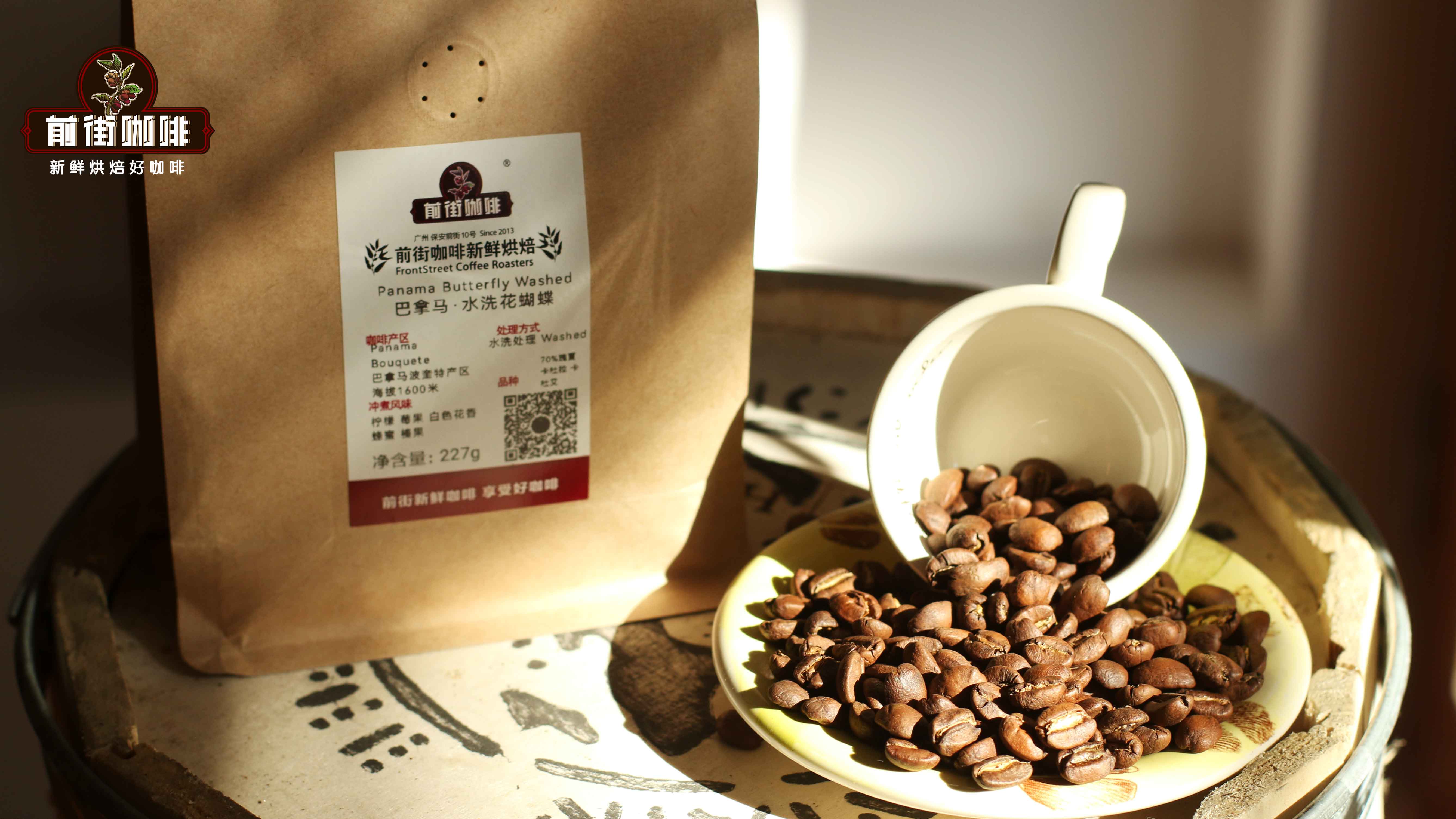
If you enjoy cold brew with bright floral and fruity aromas, you might want to try the Panama Geisha from a certain brand. This washed coffee bean consists of around 70% Geisha variety and is known for its great value. When brewed as cold brew, it delivers clean white floral notes, fresh citrus tones, and a lingering aftertaste reminiscent of the mellow sweetness of oolong tea—perfect for those who prefer a refreshing taste. Recommended grind-to-water ratio is 1:10, with a steeping time of 10–12 hours.
For readers who prefer a stronger sweet profile and rich fruitiness, the Strawberry Candy from a certain brand is an ideal choice. This blend combines Costa Rica honey-processed coffee with Panama Geisha, and when made into cold brew, emits intense aromas of grapes, roses, and strawberry soft candy. As the steeping time extends, it can even develop a rich aftertaste akin to fruit wine. It’s suggested to use a 1:11 grind-to-water ratio and steep for about 10 hours to achieve a balanced cup with prominent sweetness.
For those who are used to adding milk to their cold brew, it is recommended to choose medium to dark roasted beans, which provide a rounder mouthfeel and fuller body. The Brazilian Queen Estate from a certain brand is a classic recommendation, offering strong notes of nuts, peanuts, and chocolate—even when iced milk is added, these flavors remain prominent. It’s important to note,due to the more pronounced caramelization reaction in medium to dark roasted beans, it’s advised to reduce the steeping time to 8–10 hours when making cold brew.This helps avoid over-extraction, which could result in bitterness or overly strong roasted aromas.
Besides the above recommendations, if you’re looking to explore more possibilities, you can also try Ethiopian sun-dried Yirgacheffe beans, which bring lively acidity with notes of blueberry and lemon; or Indonesian Mandheling cold brew, showcasing deep spices and earthy tones. Each bean, due to differences in origin, processing method, and roast level, can exhibit a distinct personality during the cold brew process.
In summary, cold brew coffee is not just a refreshing summer drink, but also a brewing method that highlights the subtle flavors of coffee. By understanding the factors that influence caffeine, selecting the right roast level and bean variety, and combining them with the correct grind-to-water ratio and time control, you too can easily brew cold brew coffee at home that rivals café-quality, enjoying a refreshing and layered summer experience.
The above content is compiled by CoffeeHunters, a coffee news website.


