







Introduction:The washed processing method is one of the most classic and widely used techniques in specialty coffee production. Through a series of precise steps, it effectively enhances the cleanliness and consistency of coffee beans. This article delves into the processing workflow, fermentation mechanisms, and technical details of the washed method, analyzes its pros and cons, and explains how this approach influences the final flavor profile—helping readers fully understand what makes washed coffee unique.
As an important technique in specialty coffee production, the washed process is renowned for its rigorous steps and strict quality control. This method systematically removes the coffee fruit’s skin, pulp, and sticky mucilage layer through stages such as flotation, mechanical pulping, microbial fermentation, and water washing. Such processing not only significantly reduces the proportion of defective beans, shortens the required drying time, but also highlights the coffee’s inherent regional characteristics, resulting in a cleaner and more distinct flavor profile.
To deeply understand the washed processing method, it’s essential to start with the basic structure of the coffee fruit. A coffee cherry consists of the outer skin, pulp, mucilage layer, parchment, and silver skin. Among these, the mucilage layer—rich in viscous polysaccharides—is one of the most challenging parts to remove during processing. The washed process generally involves five main steps: flotation, pulp removal, mucilage fermentation, washing, and drying, each of which critically impacts the quality of the final green beans.
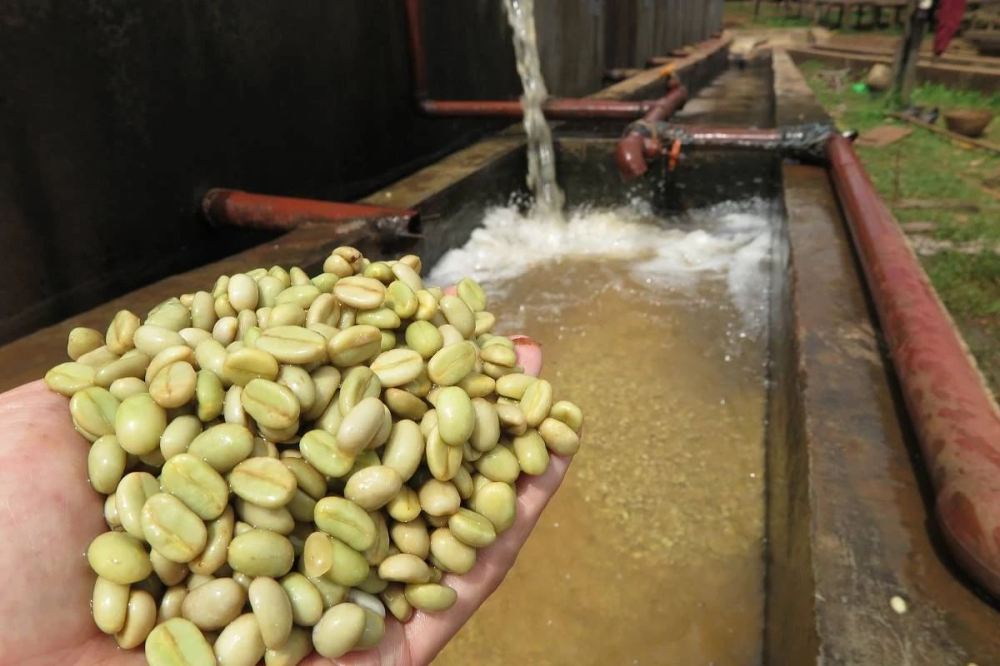
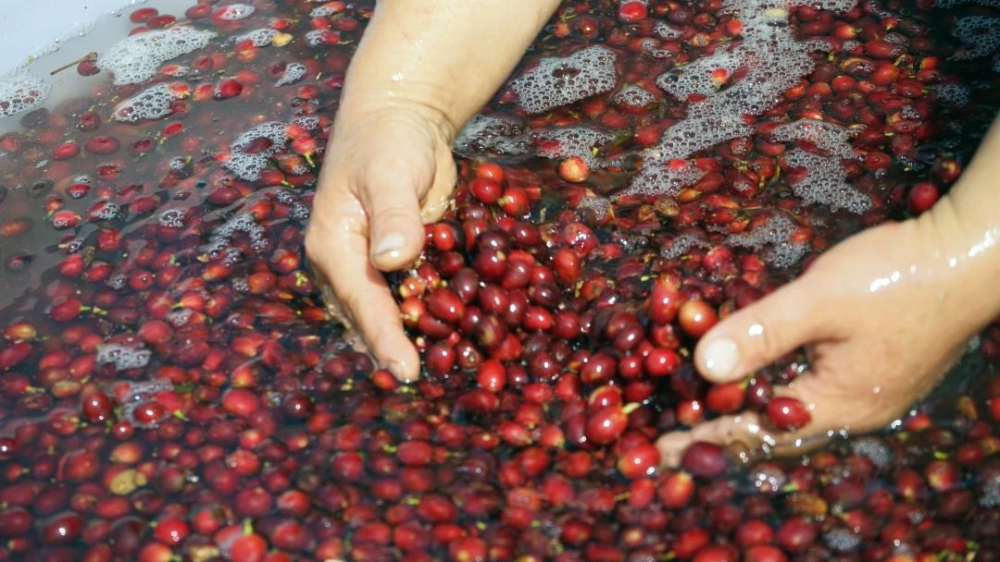
After coffee harvesting, the cherries are usually quickly transported to the processing facility and immediately subjected to flotation. This procedure uses differences in water buoyancy to sort out well-matured coffee cherries. Healthy, ripe coffee cherries, being denser, naturally sink to the bottom, while unripe or overripe ones float due to lower density and are manually removed by workers. Flotation not only helps improve the initial quality of the raw materials but also establishes a stable foundation for subsequent processing—a screening mechanism rarely present in traditional sun-drying methods.
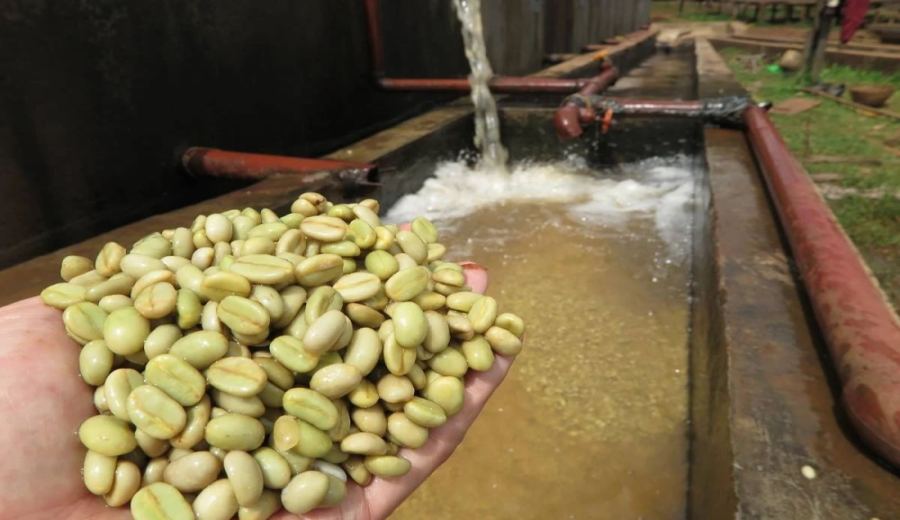
The coffee cherries that pass flotation then enter a pulper, where mechanical devices remove the outer skin and pulp. However, the coffee beans still retain a sticky layer of mucilage. This mucilage mainly consists of pectic acid and polysaccharides, and if not properly removed, can impair drying efficiency and lead to undesirable flavors. Therefore, effectively removing the mucilage becomes a key technical step in the washed process, typically relying on microbial fermentation.
The mucilage-covered beans then undergo fermentation, with the duration varying based on environmental temperature, bean quantity, and fermentation conditions, generally ranging between18 to 36 hours. During fermentation, microbes break down the mucilage layer, converting it into water-soluble substances that can then be washed away with clean water. In traditional practices, workers would judge whether the mucilage was sufficiently decomposed by hand-rubbing, though modern techniques now offer more precise monitoring methods. Nevertheless, this step remains crucial for determining the quality of washed coffee. It’s important to note that the fermentation at this stage primarily aims to clear the mucilage, rather than deliberately creating special flavors, which is fundamentally different from the flavor-enhancing fermentation methods popular in recent years.
After fermentation, the beans are rinsed multiple times with clean water to ensure all decomposed mucilage and impurities are thoroughly eliminated. Next, the beans enter the drying phase. Since the washed method has already removed most of the pulp and mucilage in the early stages, the remaining beans have relatively low moisture content, thus requiring significantly less drying time compared to sun-drying methods—usually just a few days. This shorter drying cycle not only reduces the risk of flavor defects caused by weather changes but also helps preserve the coffee beans’ original characteristics, thereby enhancing the final flavor’s cleanliness and complexity.
Another characteristic of the washed process is its high dependency on water resources. The process requires a continuous supply of clean, running water for flotation, fermentation washing, and final rinsing. As a result, processing facilities typically need to install dedicated washing tanks and water recycling systems, which also makes the overall production cost of the washed method higher than other processing approaches. Moreover, each step eliminates defective beans and impurities, giving the final green beans advantages in both quality and consistency—another reason why washed coffee often achieves higher market ratings and prices.
Looking at the strengths of the washed process, its greatest feature lies in its ability to effectively reduce defect rates, shorten drying times, and present a clearer, purer expression of regional flavors. Compared to the complex or fermented notes that may arise from sun-drying methods, washed coffee typically showcases more pronounced acidity, a cleaner mouthfeel, and distinct regional traits. This is why many renowned specialty coffee regions continue to favor the washed method to faithfully represent their terroir.
Within the washed processing workflow,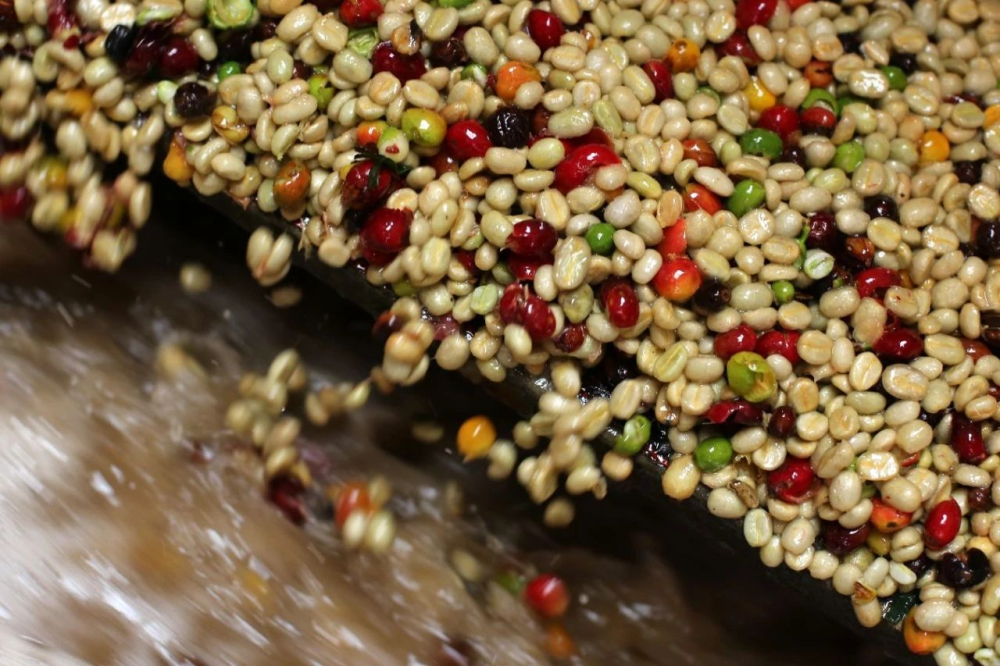 processing facilities must pay special attention to controlling fermentation conditions, including factors like water temperature, pH levels, and microbial activity—all of which can influence fermentation efficiency and the final flavor. Additionally, the uniformity of the drying stage is crucial; improper drying can lead to uneven internal moisture distribution, affecting roast performance. For consumers, understanding the characteristics of the washed process can help make more suitable choices when purchasing coffee beans based on personal taste preferences.
The above content is compiled by CoffeeHunters, a coffee news website.


