







Introduction:Cupping is a key step in evaluating coffee quality. Through standardized procedures and professional scoring sheets, it enables precise identification of each bean’s flavor characteristics. This article details the scoring differences between the two major international cupping systems—SCA and CoE—and walks you through the complete operation process from grind size and water temperature control to slurping techniques, while analyzing the core meanings of the eight scoring criteria. At the end, you’ll find high-resolution 2023 flavor wheel wallpapers to help you develop professional coffee flavor description skills.
Cupping is an essential step in verifying coffee quality after roasting. By using uniform grind size, coffee-to-water ratio, water temperature, and steeping time, it objectively presents the most original flavor characteristics of the beans. This article will systematically introduce the basic concepts, required tools, and standard parameters of cupping, and gradually break down the complete operation process from pouring water, smelling the dry aroma, breaking the crust, to slurping. It also provides an in-depth comparison of the scoring differences between the two major international cupping systems, CoE and SCA.
For coffee professionals or enthusiasts, understanding cupping not only helps judge bean quality but also enables accurate expression of coffee characteristics through professional flavor vocabulary. The article specially compiles common descriptive terms from the flavor wheel and includes high-resolution 2023 flavor wheel wallpaper resources for easy reference.
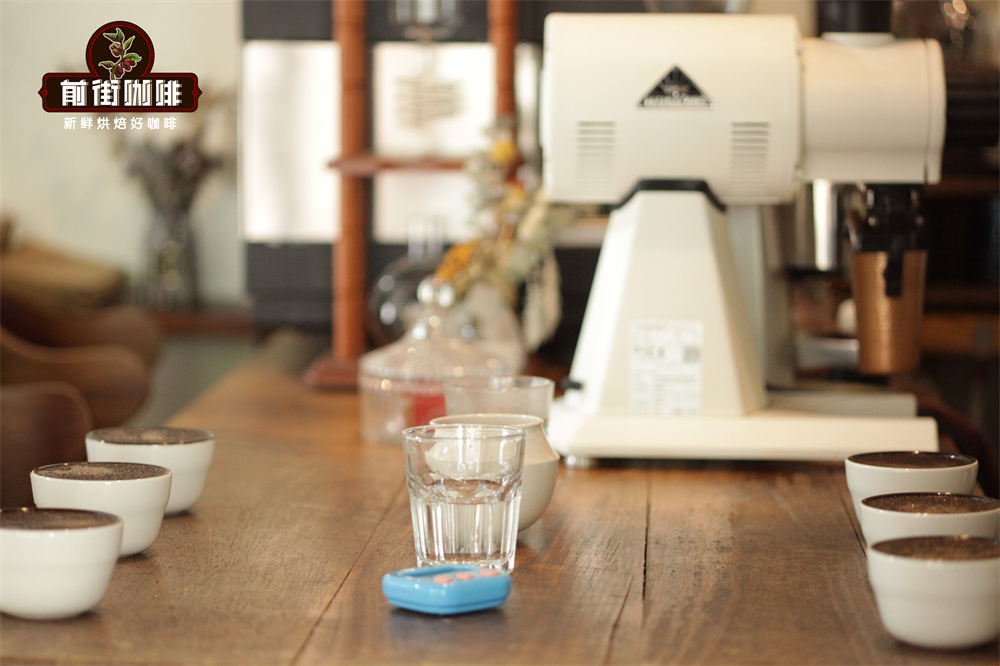
When conducting cupping, the first priority is standardized operational conditions. Professional cupping typically uses tempered glass or ceramic cups with capacities between 207ml and 266ml, cup heights of about 3 to 3.5 inches, rim diameters of 76–89mm, and all cups must maintain consistent size and material. The recommended coffee-to-water ratio is 8.25 grams per 150ml, with water temperature controlled between 92.2–94.4°C. These parameters ensure that flavor performance is not affected by external variables.
The cupping process can be divided into four main steps: First is the pouring and steeping stage, where coarsely ground coffee is placed in the cup, shaken, and the dry aroma is smelled, followed by pouring hot water and letting it steep for 3–4 minutes until a coffee crust forms. Then at2 minutes laterthe wet aroma is smelled. This stage captures the delicate aroma characteristics released during extraction, such as complex scents like floral or wine notes.
The third step is breaking the crust, using an anti-static metal spoon (usually stainless steel) to stir three times on the liquid surface, skimming off the foam and crust before tasting begins. The final step is slurping, where after removing surface floaters with the spoon, the coffee is slurped into the mouth to distribute it evenly across the tongue, sensing characteristics such as flavor, acidity, sweetness, and aftertaste, and recording them on the cupping form.
The CoE cupping form is designed with eight scoring criteria, each with a maximum of 8 points for a total of 100 points. The first criterion focuses on aroma, including dry, wet, and crust aromas. Although not directly counted toward the total score, it affects the Flavor score. Next is Clean cup, which evaluates whether the coffee is free from defects such as mustiness, earthiness, or fermenty acidity.
Sweetness is scored based on the maturity of the coffee cherry harvest, with high-quality sweetness distinguishable as cane sugar sweetness, caramel sweetness, and other types. Acidity emphasizes bright, lively, and pleasant sourness, such as citrus, berry, or cantaloupe-like positive acids, avoiding vinegar-like or unripe sharp acidity.
Mouthfeel evaluates the tactile sensation of coffee in the mouth, such as oiliness, viscosity, and body. Flavor is the core criterion, integrating taste, aroma, and mouthfeel to most directly reflect the coffee’s characteristics. Aftertaste focuses on the lingering flavor after drinking, while Balance assesses the harmony of all characteristics.
The final Overall score reflects the cupper’s subjective impression, summarizing all features for an overall impression. In the CoE scoring standard, 6 is good quality, 8 is excellent performance, a total score of 80–84 is considered specialty coffee, and 85 or above reaches competition-level excellence.
The SCA cupping system includes ten scoring criteria, where Fragrance/Aroma scores dry and wet aromas separately, and Uniformity examines consistency among samples. SCA scoring starts at 6 and is divided into four levels: Good, Very Good, Excellent, and Outstanding, with each level further subdivided into four sub-scores in 0.25-point increments, offering more granular evaluation flexibility.
In terms of flavor descriptions, common positive terms include floral notes (e.g., jasmine, rose), fruity notes (e.g., citrus, berries), caramel, and chocolate, while negative traits may involve leather, dust, or sharp acidity defect flavors. Familiarity with these descriptive terms helps cuppers communicate coffee characteristics more precisely.
Whether you’re a beginner or a professional, mastering standardized cupping procedures and scoring logic can significantly enhance your ability to judge coffee quality. Paired with 2023’s updated flavor wheel resources, you can systematically build a professional flavor description lexicon, laying a solid foundation for your coffee tasting journey.
The above content is compiled by CoffeeHunters, a coffee news website.


