








Introduction:Jamaican Blue Mountain coffee is hailed as one of the world’s top-tier coffees, and its core variety, Typica, is a classic among classics. This article delves into the botanical characteristics, flavor profile, and cultivation challenges of Typica, while introducing you to the unique natural conditions of the Blue Mountain region and the strict CIB certification system. It also provides professional roasting curves and pour over parameters, and teaches you how to distinguish genuine Blue Mountain coffee. Whether you’re a beginner or a seasoned coffee enthusiast, you’ll gain practical insights from this guide.
Blue Mountain coffee enjoys global renown, and at its pinnacle is the Jamaican Blue Mountain No. 1 coffee bean, which excels with washed processing and medium-dark roasting. The star behind it is none other than the classic Typica variety. This coffee not only delivers a distinctive flavor profile but is also exceptionally valuable due to its stringent growing conditions and scarce production. This article will comprehensively break down this legendary coffee, covering everything from variety traits and regional environment to roasting recommendations and authenticity identification.
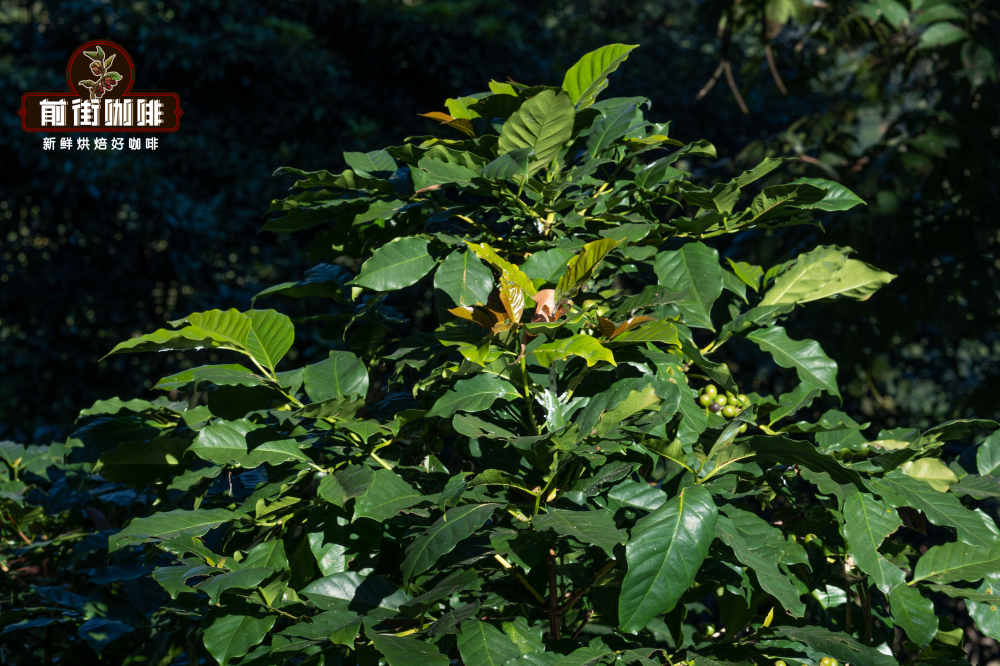
Typica (Typica) is one of the oldest Arabica varieties in the world, renowned for its elegant aroma and rich body. Although widely cultivated, producing truly high-quality Typica is extremely challenging. Every step—from soil, altitude, and climate to harvesting and processing—requires precise control. This is why top-tier Typica coffees like Jamaican Blue Mountain and Hawaiian Kona command consistently high prices. Moreover, Typica trees are slender with slanting branches, where the angle between lateral branches and the main trunk is about 50 to 70 degrees. The trees are relatively tall with a canopy of reddish-copper leaves, hence also known as "red-top coffee." These trees not only occupy more space but also have lower adaptability to environmental changes.
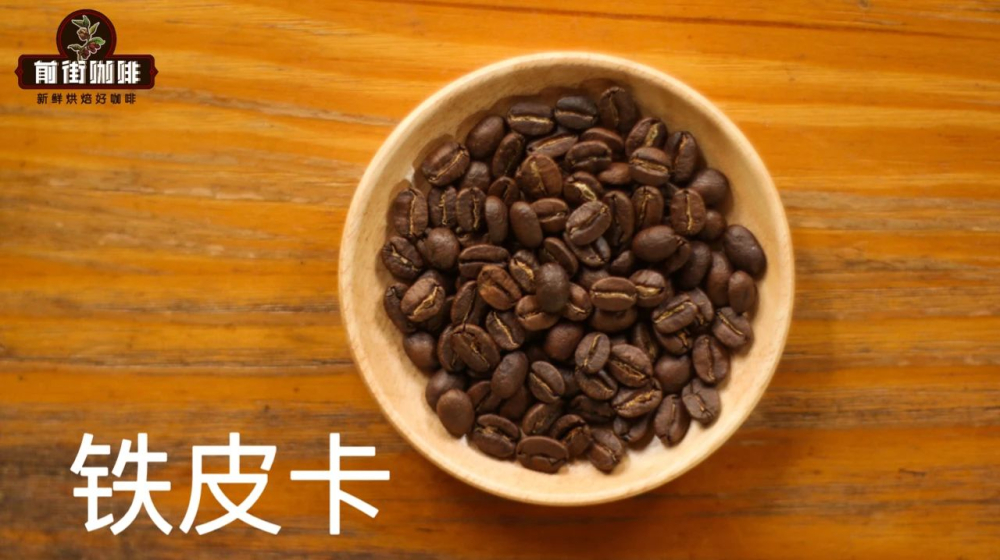
Typica coffee beans are visually distinctive, larger in size with an elongated, egg-like shape that tapers at both ends. After roasting, they often release bright citrus acidity, with gentle bitterness and a sweet finish. The overall flavor is clean and well-defined, earning it a reputation as one of the most "elegantly balanced" varieties. However, Typica’s drawbacks are equally evident: it has very poor disease resistance, particularly susceptible to leaf rust and berry disease, and its yield is also low. Among these, leaf rust, which first broke out in East Africa in 1861, has become one of the most troublesome diseases for coffee farmers worldwide, capable of causing plant withering and death. This has led many farmers to switch to more disease-resistant varieties such as Catuai or Catimor.
The uniqueness of Jamaican Blue Mountain coffee is inseparable from its growing environment. The Blue Mountains are embraced by the Caribbean Sea, forming a typical island-type tropical rainforest climate with distinct wet and dry seasons and excellent drainage. The volcanic soil is rich in minerals, eliminating the need for excessive artificial irrigation and fertilization during the coffee trees’ growth period. The high-altitude areas (910 to 1700 meters) feature cool, humid, and foggy weather with significant day-night temperature variations, which help the coffee cherries ripen slowly and accumulate richer flavor compounds. Notably, many coffee farmers intercrop their coffee trees with banana trees, utilizing the shade and organic nutrients provided by the bananas.
According to the regulations of the CIB (Coffee Industry Board of Jamaica), only Typica coffee planted within the designated area of the Blue Mountain range at altitudes of 910 to 1700 meters qualifies as "Jamaican Blue Mountain coffee." This area covers approximately 6,000 hectares, with extremely limited production—only about 900 tons of coffee meet the Blue Mountain standard each year, less than 15% of Jamaica’s total output. After harvesting, the fresh coffee cherries are immediately depulped using the washed method, followed by meticulous drying processes to ensure consistent quality.
In terms of roasting, practical experience indicates that Jamaican Blue Mountain No. 1 is best suited for medium-dark roasting. This approach fully highlights its chocolate, nut, and caramel aromas while retaining gentle fruit acidity and natural sweetness, achieving a balanced flavor profile. Generally, starting at an inlet temperature of 170°C, through precise control of the air damper and heat, it’s essential to ensure complete moisture evaporation and initiate the Maillard reaction before the first crack. Once the first crack begins (around 201.3°C when dropping the beans), it signifies that the beans have entered the critical stage of flavor development.
During the roasting process, caramelization is one of the key factors determining the final flavor of the coffee. As the green beans absorb sufficient heat, sugars gradually break down and transform into aromatic compounds, which, together with acidity and oils, create the characteristic richness and layering of Blue Mountain coffee. Proper roasting allows these elements to coexist harmoniously, rather than letting a single flavor dominate.
As for the pour over method, medium-dark roasted Blue Mountain is recommended to be brewed using a slower-flow filter, such as the KONO filter, whose unique structure enhances immersion extraction efficiency and increases overall body. Using other filters like the Kalita wave or a cloth drip (flannel) can also highlight different nuanced details of the flavor. The recommended grind size is coarse sugar level (75% passing through a #20 sieve), with water temperature controlled at 88°C. Paired with a three-stage pouring technique, it helps achieve better extraction uniformity, avoiding over-extraction or under-extraction.
Practical pour over parameters are suggested as follows: use 15 grams of coffee grounds with a 1:15 coffee-to-water ratio. First, pour 30 grams of water for a 30-second bloom; then pour up to 125 grams, maintaining a steady circular motion; once the water level drops by half, pour up to 225 grams, with a total extraction time of about 2 minutes. This approach effectively brings out the chocolate and roasted hazelnut aromas of Blue Mountain coffee at higher temperatures, as well as the creamy sweetness and delicate acidity upon cooling, resulting in a long-lasting and layered flavor experience.
In summary, Jamaican Blue Mountain Typica coffee is not just a beverage but a crystallization of nature’s bounty, human ingenuity, and refined craftsmanship. From variety traits and regional conditions to roasting and brewing, every step is rich with expertise. We hope this in-depth analysis helps you gain a deeper understanding of this legendary coffee, whether you’re tasting, purchasing, or brewing it yourself—so you can confidently enjoy the beauty of Blue Mountain.
The above content is compiled by CoffeeHunters, a coffee news website.


