







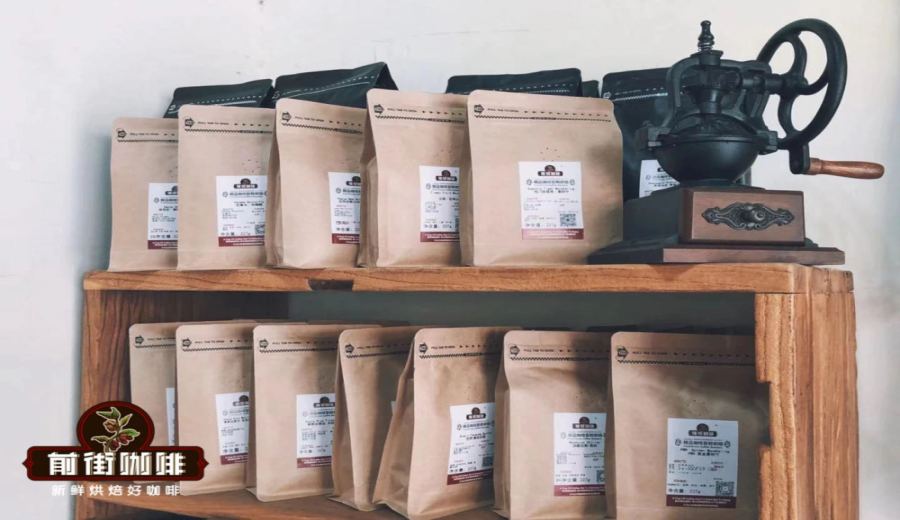
Introduction:Since its debut in 2017, the Hua Kui series of coffee beans has delivered different flavor surprises each year. This article delves into the regional characteristics and processing evolution of the latest 2024 Hua Kui 8.0, while tracing the flavor transformation trajectory from 1.0 to 8.0. In addition to providing a detailed look at the sun-drying techniques of the Buku Abel processing station, it also offers practical V60 pour over parameters and brewing suggestions to help coffee enthusiasts master the optimal extraction method for this Ethiopian star bean.
The story of Hua Kui coffee beans began in 2017, when a naturally processed coffee from Guji’s Hambela region in Ethiopia stood out in a domestic competition.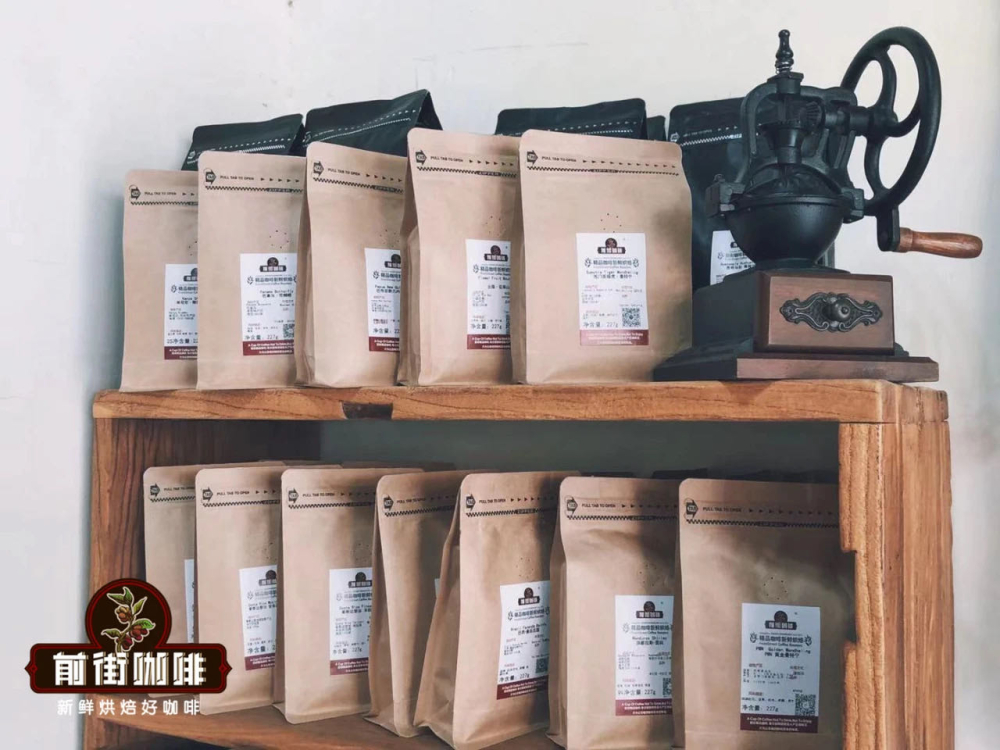 This coffee, meticulously processed by the Buku Abel processing station, quickly made a splash in the coffee world with its distinctive fruitiness—including tropical notes such as passion fruit, strawberry, and mango. It’s worth noting that only naturally processed coffees from this particular processing station are qualified to bear the name “Hua Kui,” which has earned Buku Abel the reputation as the “Hua Kui Estate.”
The name “Hua Kui” originated from an interesting misunderstanding. Although the name suggests floral aromas, the coffee is actually dominated by rich fruity notes. In 2017, this coffee defeated numerous Geisha entrants in a Chinese coffee competition, reshaping the market landscape. Hongshun green coffee beans merchant named it “Hua Kui,” drawing inspiration from the highest rank in Japanese geisha culture, cleverly echoing the then-dominant status of Geisha.
The unique terroir of the Guji regionis a key foundation of Hua Kui’s flavor profile. This area, once part of Sidamo, became an independent region in 2010 and boasts an average altitude of over 1,800 meters. As a sub-region, Hambela features rugged and varied terrain, where coffee cultivation faces numerous challenges—from legacy gold mining pits to labor-intensive harvesting methods—all adding unique narratives to this coffee.
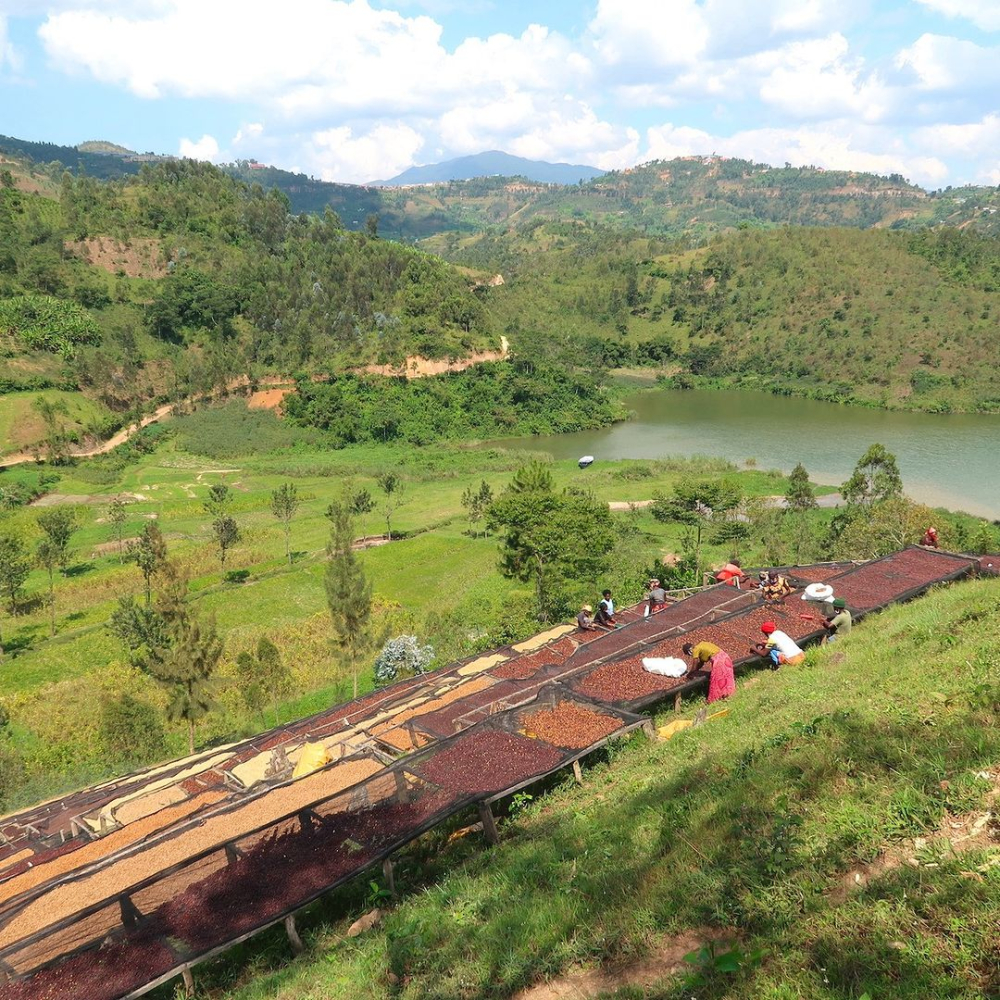
The sun-drying craftsmanship of the Buku Abel processing station is truly exceptional.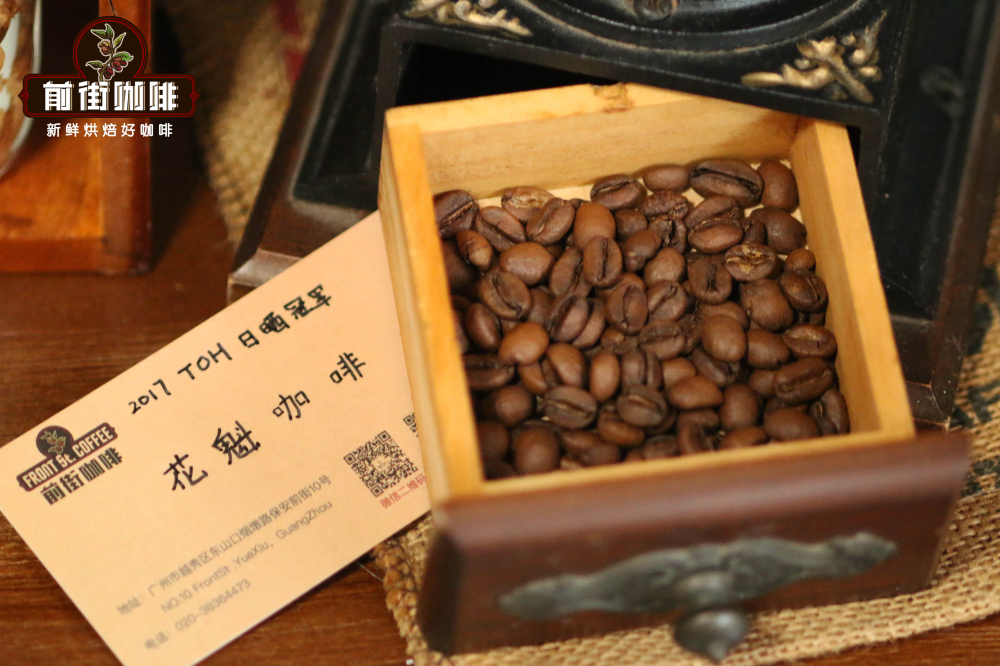 Villagers harvest native variety coffee cherries from the nearby hills, rigorously selecting red fruits with a sugar content of over 30%. These are then carefully sun-dried over 18 days. Every detail of the process is meticulously designed: the first two days maintain appropriate humidity to promote fermentation, shading during high temperatures to prevent sun damage, and rain protection at night. The final green coffee beans have a stable moisture content of 11%, ensuring optimal quality.
From 2017 to 2024, the Hua Kui series has undergone significant flavor evolution.The 2017 Hua Kui 1.0 was renowned for its intense strawberry flavors, leaving a deep impression on many coffee enthusiasts. In the following years, the strawberry character gradually diminished, shifting toward citrus fruit traits by the 2021 5.0 version. The 2022 6.0 batch sparked discussions due to quality concerns, but the 2023 7.0 successfully regained favor, showcasing more balanced fruit fermentation aromas.
The 2024 Hua Kui 8.0 delivers a completely new sensory experience. During the dry aroma stage, complex tropical fruit notes such as guava and jackfruit can be detected, while honey and berry sweetness unfold after brewing. When sipped, layered sour-sweet notes of dried mango and passion fruit are distinct, and as the temperature changes, the sweetness of peach and the acidity of berries are revealed layer by layer, with a lingering aftertaste reminiscent of black tea. This coffee perfectly showcases the essence of Guji’s natural processing style.
For coffee enthusiasts looking to brew Hua Kui 8.0 at home,it is recommended to use a V60 filter cone with the following parameters: 15 grams of coffee grounds, a coffee-to-water ratio of 1:15, water temperature at 90°C, and grind size approximately equivalent to 80% extraction through a Chinese No. 20 sieve.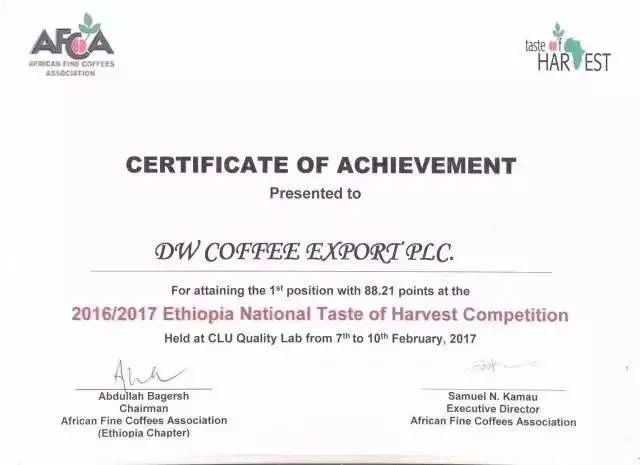 The brewing steps are as follows: bloom with 30 grams of water for 30 seconds, then pour in the center up to 125 grams, followed by additional pouring to reach 225 grams to complete extraction, with a total brew time of about 2 minutes. Be sure to use freshly roasted coffee beans (recommended within 5–10 days post-roast) for optimal flavor performance.
The evolution of the Hua Kui series, in a sense, reflects the development trajectory of the specialty coffee market. From initially gaining fame through competitions, to later establishing stable quality standards, and now forming a distinctive regional flavor identity, the journey of this coffee bean is a microcosm of modern specialty coffee. For coffee lovers, tasting Hua Kui from different years is like flipping through a vivid journal that documents the changes in flavor over time.
The above content is compiled by CoffeeHunters, a coffee news website.


