







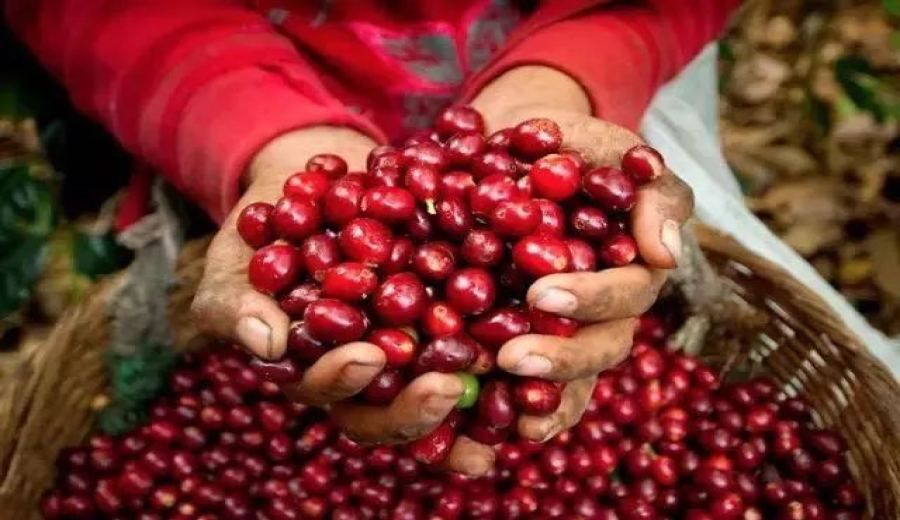
Introduction:Delve into the legendary Geisha coffee beans from Panama’s Hacienda La Esmeralda, exploring everything from variety origins and historical background to the grading logic and flavor profiles of the Red, Green, and Blue labels. This article explains how Geisha made its journey from Ethiopia to Panama and rose to prominence at the Hacienda La Esmeralda, while also providing expert pour over parameters and flavor notes to help you better understand this top-tier specialty coffee.
In the world of specialty coffee, the Geisha from Panama’s Hacienda La Esmeralda is undoubtedly one of the brightest stars. This once-obscure variety has now become a highly sought-after gem for coffee lovers around the globe. What makes it stand out among so many other coffees? And why has the Hacienda La Esmeralda’s Geisha repeatedly won international awards? Let’s start with its origins and development.
The roots of the Geisha variety can be traced back to the Gesha Forest in Ethiopia, where it was first discovered in 1931. It was later sent to the Kenya Coffee Research Station, then introduced to Uganda and Tanzania in 1936, and arrived in Costa Rica in 1953. It wasn’t until 1970 that it was brought to Panama. However, the coffee initially received little attention. It wasn’t until 2003 that Hacienda La Esmeralda (also known as the Esmeralda Estate) isolated it from other varieties, and in 2004 it won the prestigious Panama Cup of Excellence (BOP), bringing Geisha into the public eye. Since then, Hacienda La Esmeralda has repeatedly topped the BOP, cementing its legendary status.
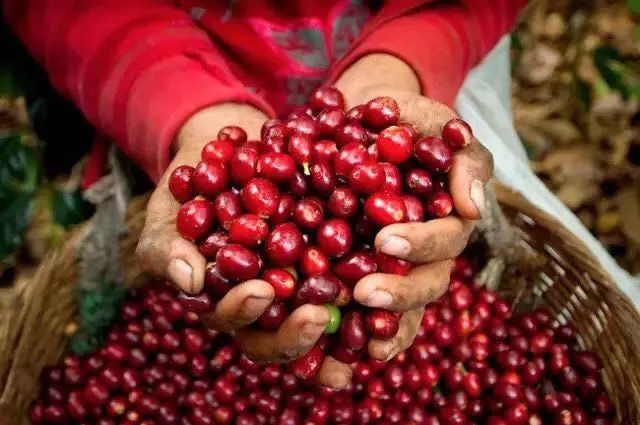
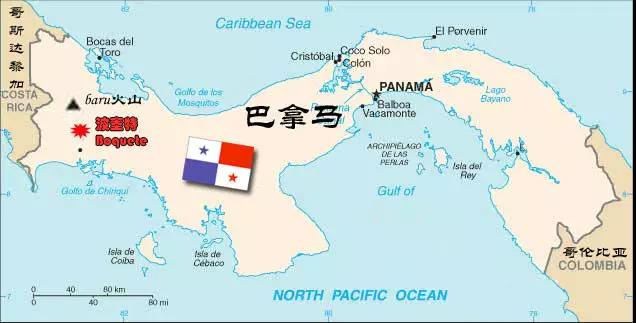
So, why did Panama produce such exceptional Geisha? The answer lies in its unique microclimate and terrain. The east-west mountain structure of Panama allows cool air to gather in the central mountain range, especially in the Boquete and Volcán–Candela regions at elevations above 6,500 feet (approximately 1,980 meters), creating diverse microclimates. Combined with fertile, mineral-rich volcanic soil, these conditions provide the ideal environment for Geisha to flourish and express its unique flavor complexity.
Additionally, as a hub connecting North and South America, Panama’s coffee industry has attracted international interest since the 20th century, particularly due to the construction of the Panama Canal, which drew many American elites to settle there. Many renowned coffee estates, including Hacienda La Esmeralda, were founded by this group of professionally experienced immigrants. The founder of Hacienda La Esmeralda, Rudolph A. Peterson, was originally the president of an American bank. After retiring in 1964, he moved to Panama and initially used the estate solely as a vacation retreat. Unexpectedly, his son Price Peterson returned and gradually transformed it into a mecca for specialty coffee.
Hacienda La Esmeralda’s Geisha is mainly grown in three high-altitude blocks: Jaramillo, Cañas Verdes, and El Velo. Among them, Jaramillo was acquired as early as 1996, while El Velo joined in 2012, both known for their outstanding altitude and microclimate. Through rigorous cupping and altitude-based grading systems, the Peterson family categorizes Geisha into three major grades: Red Label, Green Label, and Blue Label, ensuring that each batch consistently delivers high-quality flavor.
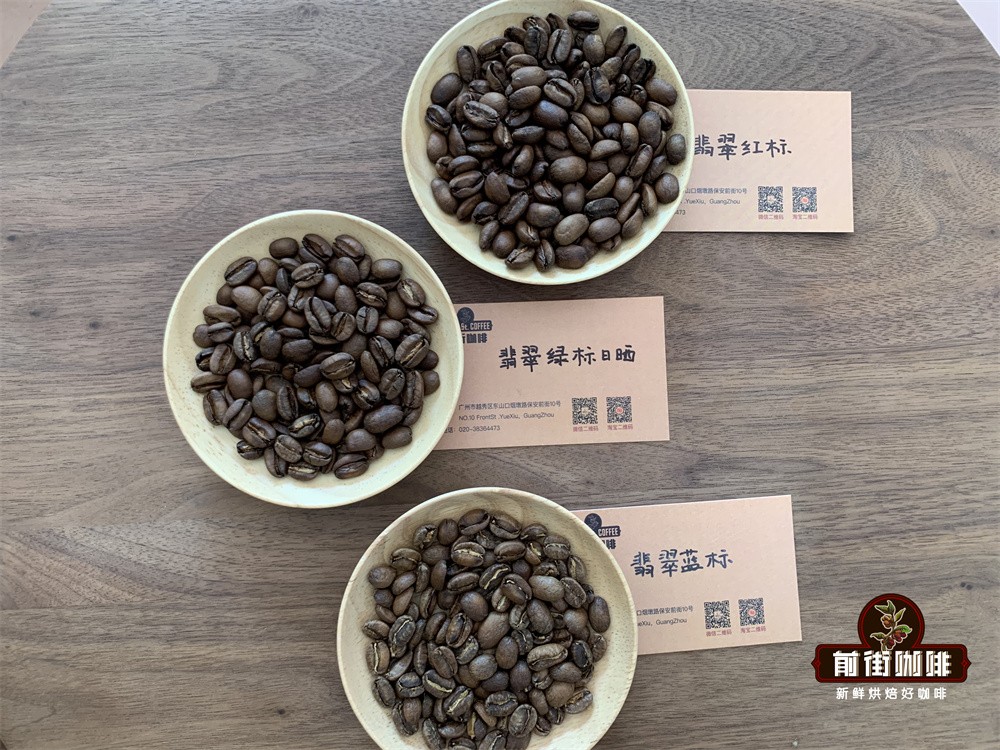
The Red Label Geisha, also known as Hacienda Esmeralda Special Selection, is widely recognized as the top-tier representative. Sourced from the Jaramillo and Cañas Verdes regions, it is grown at elevations between 1,600 and 1,800 meters, often scoring over 90 points in cupping evaluations. These beans typically come from independently auctioned plots; non-auction versions are batches from the same region that, while not part of the auction, share similar quality, and still exhibit outstanding flavor performance. Common processing methods include natural and washed, with flavors highlighted by bright citrus, rose blossoms, and notes of berries, apricots, and honey. The acidity is vibrant and the layers are distinct.
The Green Label Geisha is positioned as a high-value specialty-grade coffee. Though not part of the auction, it also comes from high-altitude micro-lots at similar elevations to the Red Label. This grade is usually a blend of beans from multiple plots, so there may be slight differences between batches, but it still retains Geisha’s classic floral, fruity, and citrus characteristics. The taste is juicy and well-balanced, with a harmonious sweetness and acidity—perfect for everyday enjoyment or as an entry point for exploring Geisha flavors. Processing methods also include both washed and natural, offering a variety of flavor expressions.
For this light-roast Geisha coffee, the following pour over parameters are recommended to fully showcase its delicate flavors: Use a grind size that passes about 80% through a Chinese standard No. 20 sieve (close to the coarseness of fine sugar), with approximately 15 grams of coffee, using a Hario V60 size 01 filter. The coffee-to-water ratio is 1:15. Set the brewing water temperature to 91°C to help balance acidity and aroma release. Begin with a 30-second bloom using 30 grams of water to awaken the coffee grounds and release CO₂; then pour in a slow spiral to reach 125 grams for the first pour, followed by pouring up to 225 grams before stopping. The total extraction time should be around 2 minutes. Once dripping through the filter is complete, enjoy your coffee. It is recommended to gently swirl the cup to achieve a more even flavor experience.
The Red Label Geisha features a distinctive flavor profile, commonly described with notes of rose blossom, citrus, rice, berries, apricots, and honey. The overall mouthfeel is rich with a strong juiciness, complex layers, and a long-lasting aftertaste. The Green Label highlights jasmine flower notes, paired with citrus, berries, cantaloupe, and green tea elements. It offers a balanced sweet and acidic profile, with a creamy-smooth finish and lasting floral notes, making it ideal for those who enjoy fresh fruit tones and softer acidity.
In summary, the Geisha coffee from Panama’s Hacienda La Esmeralda stands as a model of global specialty coffee, thanks to its rigorous grading system, exceptional growing environment, and refined post-harvest processing. Whether you’re pursuing the ultimate flavors of the Red Label, the great value of the Green Label, or the variations from different processing methods, Geisha offers you an unprecedented taste journey. To explore the world of Geisha further, start with Hacienda La Esmeralda’s classic series and experience this tribute from the highlands.
The above content is compiled by CoffeeHunters, a coffee news website.


