








Introduction:Yirgacheffe is an exceptionally representative high-altitude specialty coffee region in Ethiopia, renowned for its fresh floral notes, citrusy tones, and tea-like flavor profile. This article delves into the origins of the region, the washed processing method, the characteristics of medium-light roasting, as well as practical pour over brewing suggestions and flavor expressions to uncover the sources of this classic bean’s charm and the secrets to brewing it well—helping everyone from beginners to advanced enthusiasts master its optimal flavor expression.
Yirgacheffe is a well-known specialty coffee region in southern Ethiopia, famed for its distinctive white floral aromas, bright citrus notes, and refreshing taste reminiscent of green tea. It’s often described as “a blooming garden in your cup.” This unforgettable flavor profile has made it a top choice for many coffee lovers just starting to explore fruit-acid-forward coffees. This article will comprehensively break down what makes Yirgacheffe unique—from its regional origins, washed processing steps, medium-light roasting strategies, to pour over brewing techniques and flavor analysis. Whether you're a beginner or an experienced coffee enthusiast, you'll find practical guidance for tasting and brewing.
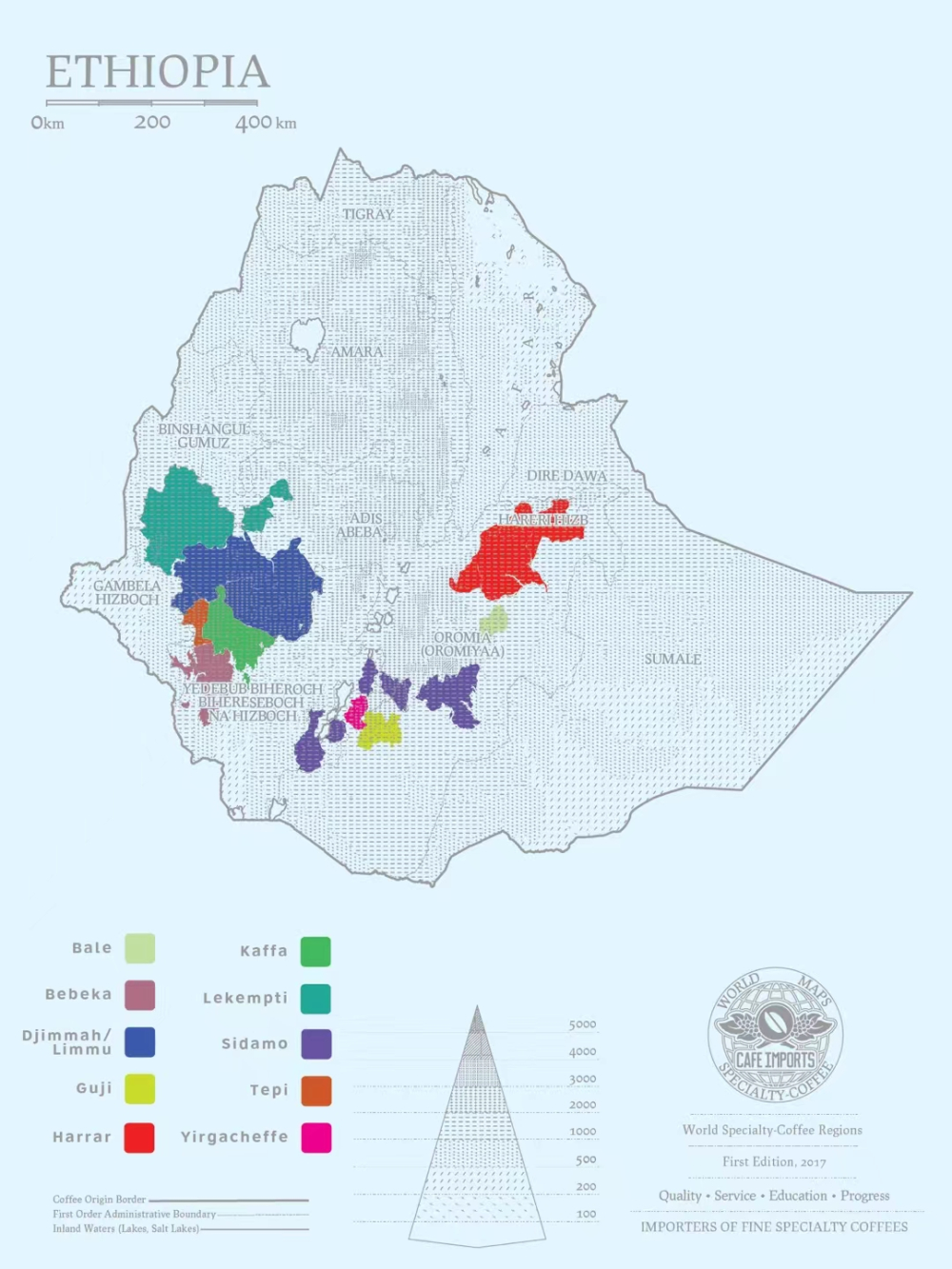
The name Yirgacheffe comes from the small town of “YIRGACHEFFE,” located on a plateau at an altitude of 1,700 to 2,100 meters. With its mild climate, year-round cloud cover, and fertile soil, it provides an ideal environment for coffee cultivation. A common farming practice here is intercropping coffee trees with other crops in family fields or courtyards. Originally, Yirgacheffe was a sub-region under Ethiopia’s Sidama province. However, due to its exceptionally distinctive flavor profile, it later broke away from Sidama to become its own dedicated coffee region. In 2004, the Ethiopian government officially registered Yirgacheffe® as a trademark to protect the representative flavors of the region. Today, it is not only a geographical name but also a commercial label in the specialty coffee market that signifies a specific flavor identity.
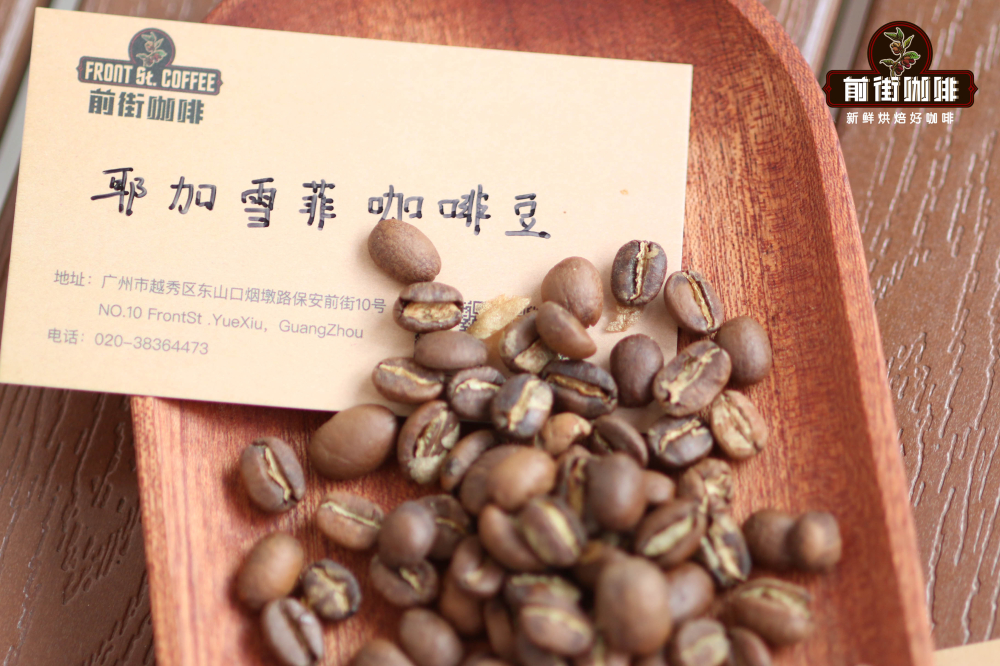
If you’re just beginning to explore the world of coffee, consider starting with a medium-light roasted, washed Yirgacheffe. Many coffee shops offer this type of everyday drinking bean, typically using local native varieties. The small packaging is convenient for sampling and helps avoid waste. Moreover, pour over is the brewing method that best showcases its refined flavors.
The reason Yirgacheffe possesses such a clean and delicate flavor profile lies largely in the washed processing method. Compared to traditional natural (sun-dried) processing, which may produce off-flavors if not handled properly, washed processing emphasizes precision and hygiene. Since Ethiopia introduced washed techniques from Central and South America in 1972, this method has gradually become the mainstream. Washed processing involves using a continuous water supply in fermentation tanks. After removing the coffee cherry skin, the process uses fermentation and washing steps to eliminate the mucilage and impurities, leaving behind clean green beans. This not only reduces defect rates but also preserves a purer acidity and more refined aroma—resulting in the famous bright citrus and elegant floral notes of Yirgacheffe. Its flavor profile is clear-cut, and the mouthfeel is clean.
So why is Yirgacheffe commonly presented with a medium-light roast? In the past, mainstream coffee preferences leaned toward bold, smoky flavors, with darker roasts often used to enhance nutty and chocolatey notes through heavy caramelization—even at the cost of masking the beans’ inherent delicate flavors. As the specialty coffee movement gained momentum, consumers began seeking more layered fruit acids and floral-fruity aromas. To preserve Yirgacheffe’s original bright acidity and citrus character, roasters typically aim for a medium-light roast level. This roasting strategy allows the coffee to showcase bright lemon, green tea, and citrus flavors—ushering in what’s been called the “new era of fruit-acid coffee.” It's also a major reason why it has gained global popularity among coffee lovers.
To fully experience the refined flavors of washed Yirgacheffe, pour over is the brewing method of choice. Many consumers often ask for the best brewing recommendations after purchase. Below is a practical reference guide, using a commonly found washed Yirgacheffe as an example, to illustrate how to bring out the best performance through parameters and techniques.
First, because Yirgacheffe green beans come from high altitudes, the beans are relatively hard. To fully release their floral-fruity aromas and sweet-tangy substances, it is recommended to use a high water temperature of 92°C to 93°C for extraction. For grind size, a medium-fine level is suggested (approximately equivalent to 78% passing through a Chinese standard No. 20 sieve, or similar in coarseness to fine sugar). Too coarse a grind can lead to under-extraction and a thin flavor; too fine a grind can easily over-extract at high temperatures, resulting in bitter or astringent off-notes.
In practice, many professional shops adopt a “three-stage pouring” method to gradually raise the temperature of the coffee bed, helping different flavor compounds release sequentially. It is recommended to use a V60 filter cone, whose spiral ridges help release gas from the coffee grounds, promoting the diffusion and dissolution of acidic aromatic compounds—especially effective for highlighting the refreshing qualities of Yirgacheffe.
The specific parameter recommendations are as follows:
Filter cone: V60
Water temperature: 92-93°C
Coffee dose: 15 grams
Coffee-to-water ratio: 1:15
Grind size: Fine sugar size (approximately 78% passing through a No. 20 sieve)
Three-stage pouring steps:
1. First, pour about twice the amount of hot water as the coffee dose (approximately 30 grams) for the bloom, letting it sit for 30 seconds to allow the coffee grounds to fully expand and release aromas.
2. Next, pour water in small streams in a circular motion from the inside out until the total water volume reaches 125 grams, then pause to let the coffee bed settle.
3. Once the water level drops to the middle of the filter cone, pour again with the same fine stream until reaching 225 grams total, keeping the total extraction time around 2 minutes.
4. After all the coffee liquid has dripped through, remove the filter cone. Gently swirl the coffee in the server, then start tasting from a high temperature to experience the evolution of its flavors.
The brewed Yirgacheffe reveals subtle honey and jasmine floral notes even during the grinding stage, with berry aromas gradually emerging after pouring. Upon tasting, you’ll experience bright lemon, citrus, and green tea tones. As the temperature drops, lingering notes of berries, cream, and sugarcane unfold progressively. The aftertaste is clear and clean, with a refreshing mouthfeel—representing the classic expression of a medium-light roasted, washed Yirgacheffe.
The above content is compiled by CoffeeHunters, a coffee news website.


