







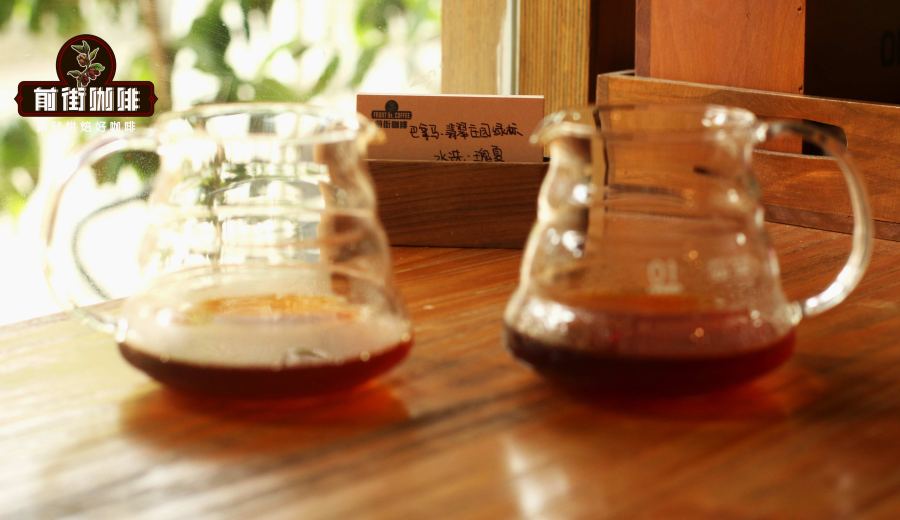
Introduction:Want to know why Geisha coffee stands out among numerous specialty beans, and how it differs from the classic Yirgacheffe? This article delves into the origins and development of the Geisha variety, and provides a detailed comparison between Geisha and Yirgacheffe in terms of variety, growing environment, and flavor characteristics. It also offers practical pour over parameters and flavor descriptions to help you better understand the features and brewing tips of these two popular specialty coffee beans.
Geisha (also spelled Gesha) coffee, with its unique floral aroma, bright acidity, and rich layers, has long been ranked among the top specialty coffee varieties in the world. However, many people still have only a vague understanding of Geisha’s origins and its relationship with Ethiopia’s renowned Yirgacheffe region. This article will start with the historical background of Geisha, detailing how it spread from Ethiopia to Panama and became the star variety it is today. We will also analyze the fundamental differences between Geisha and Yirgacheffe from aspects such as variety traits, cultivation environment, and processing methods, and provide professional extraction suggestions and flavor profiles to help coffee enthusiasts gain a deeper appreciation of the charm of these two classic coffees.
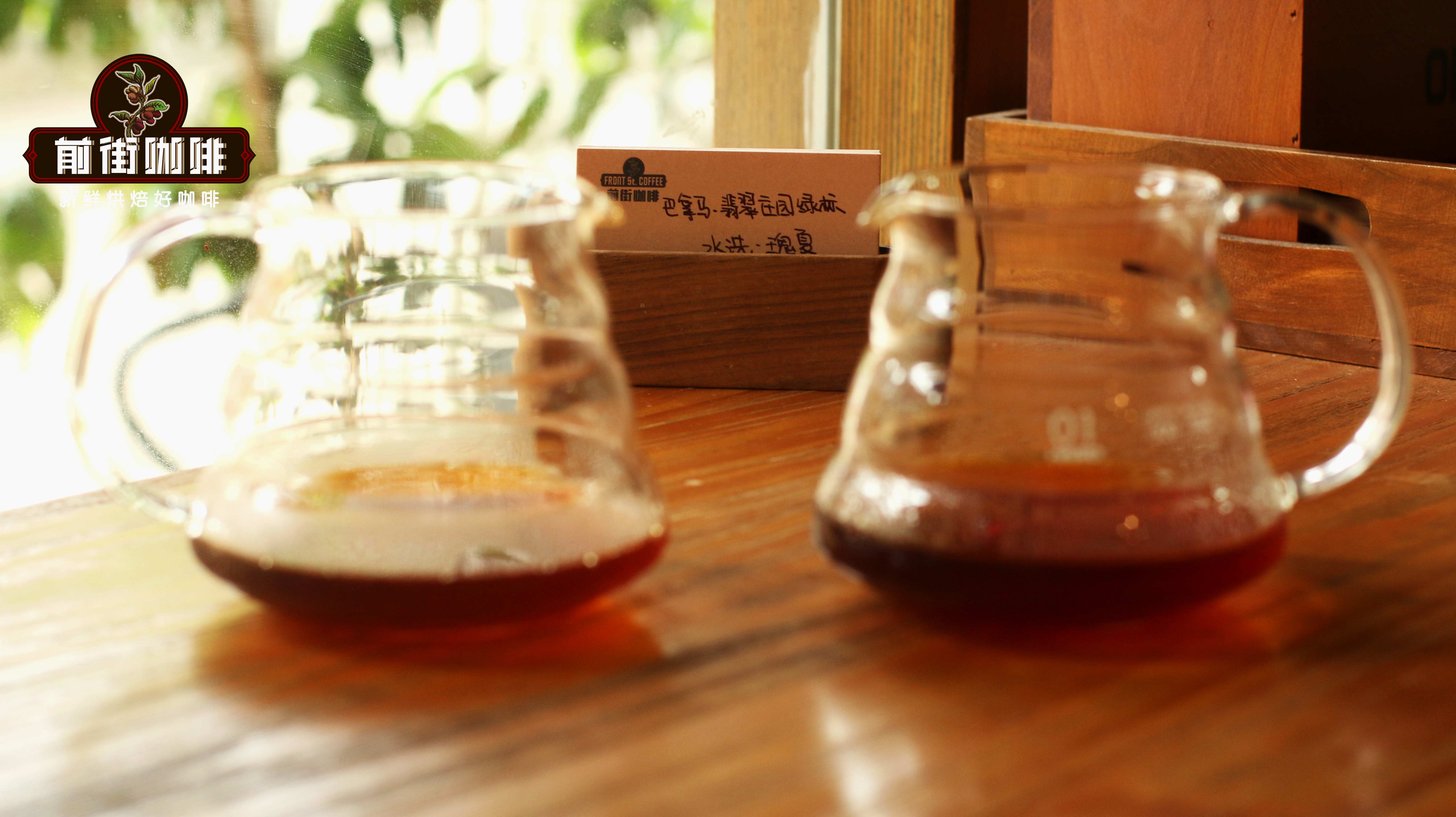
The name “Geisha” actually originates from coffee varietal nomenclature, not from a specific origin or farm. Its English name, Geisha or Gesha, coincidentally sounds similar to the Japanese word for “geisha,” which is why it is often mistakenly referred to as “Geisha coffee.” In fact, Geisha is a coffee variety originating from Ethiopia, which later gained prominence in Panama and gradually rose to fame in the global specialty coffee market. Today, Geisha coffee is grown in multiple countries, including Panama, Costa Rica, Colombia, and even Yunnan, China, but the flavor profiles of Geisha from these regions often vary slightly due to differences in environment and processing methods.
Geisha was first discovered in 1931 in the Gesha forest in southwestern Ethiopia and was sent to a coffee research institution in Kenya for preservation. It was subsequently introduced to Uganda and Tanzania in 1936, and then to Costa Rica in 1953. It wasn’t until the 1970s that the variety was officially planted in Panama when the Hacienda La Esmeralda (often referred to as "洞巴七農園" here, though the correct name is Hacienda La Esmeralda) obtained seeds through CATIE in Costa Rica. Its true potential was only discovered years later when a farmer, through a rigorous cupping process, compared the flavors of different batches and identified that a specific plot produced Geisha with extraordinary potential, thus revealing the variety’s world-class flavor.
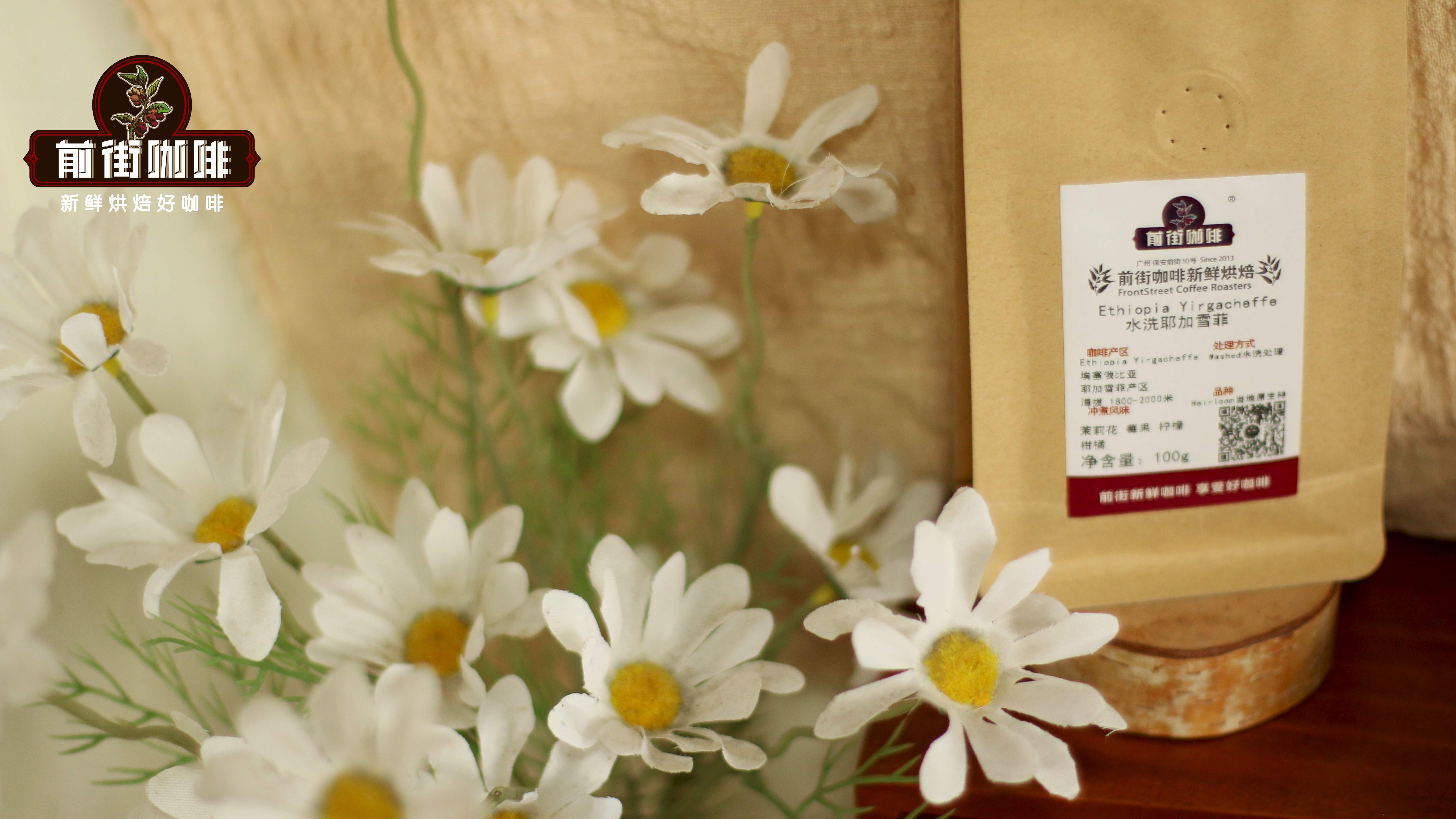
When talking about Geisha, one cannot overlook its place of origin—Ethiopia. As the genetic birthplace of Arabica coffee, the country boasts the richest diversity of coffee landraces in the world, among which Yirgacheffe is one of the most famous regions. Located in Ethiopia’s southern Gedeo zone, Yirgacheffe is a small specialty coffee town known for its high altitude (approximately 1700 to 2200 meters) and cool climate. Most of the coffee here is grown by smallholder farmers using garden-style cultivation, often intercropped with other plants to provide natural shade. The coffee is usually processed and sold collectively by cooperatives, with washed processing being the key to Yirgacheffe’s distinctive fresh flavor.
Yirgacheffe coffee is known for its bright acidity and citrus and floral notes, which are closely tied to its high-altitude, slow-maturing growing conditions. One coffee brand once introduced several Yirgacheffe coffee beans, among which washed and natural processed beans are the most representative—the former showcases clear lemon and floral notes, while the latter offers complex layers of berries and sweet aromas.
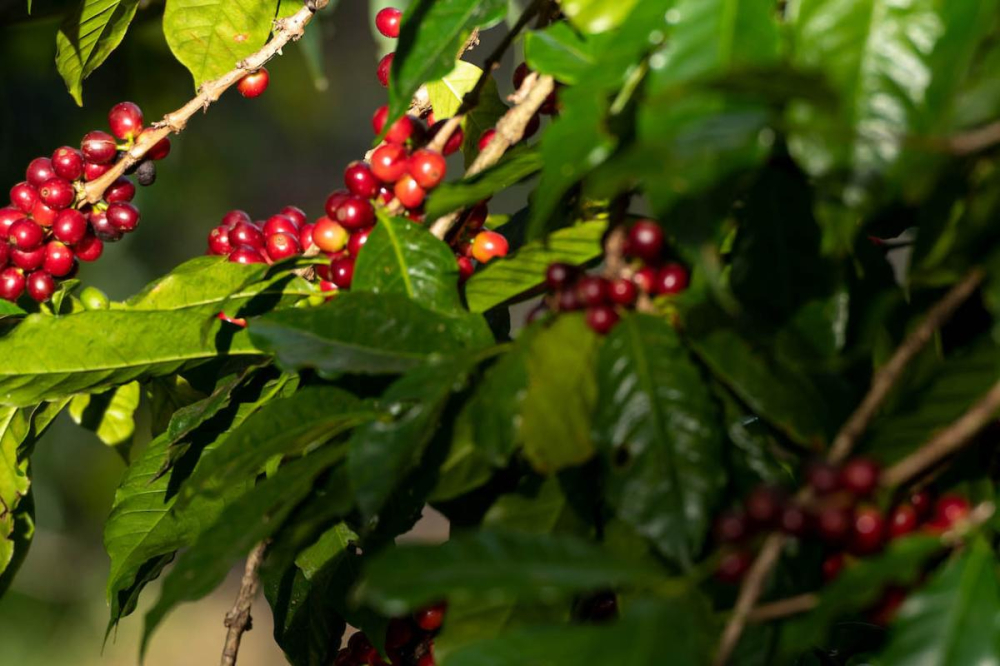
Although both Geisha and Yirgacheffe originate from Ethiopia, they exhibit significant differences in variety and flavor profile. Geisha is a specific cultivar that was first discovered in Panama to have exceptional potential, and is renowned for its floral and fruity aromas, honey-like sweetness, and smooth mouthfeel. In contrast, Yirgacheffe typically refers to the local “heirloom” varieties (which cannot be further subdivided), a broad term for the numerous and unclassified native varieties that still possess strong regional characteristics and bright acidity.
Furthermore, although the Geisha variety originated in Ethiopia, its performance in Panama far surpasses that of its homeland, which is closely related to the local growing environment. The Boquete region in Panama, with its high altitude, foggy conditions, and fertile volcanic soil, provides nearly perfect growing conditions, allowing Geisha to exhibit intense floral notes, citrus tones, tea-like qualities, and a silky mouthfeel. Among them, the Geisha produced by the La Esmeralda estate (翡翠莊園) is the pinnacle of the variety, with its meticulous plot management and cupping-based grading resulting in different grades of Geisha products such as Red Label and Green Label.

In terms of processing methods, both Geisha and Yirgacheffe utilize various processing techniques to highlight their flavor potential. Yirgacheffe commonly employs washed and natural processing, with washed processing enhancing bright acidity and citrus aromas, while natural processing imparts richer fruitiness and sweetness. Geisha is also well-suited to washed and natural processing—for example, the washed Green Label Geisha from La Esmeralda showcases lofty floral notes and tea-like undertones, while natural processing often brings intense tropical fruit and honey-like sweetness.
For brewing recommendations, lightly roasted Geisha and Yirgacheffe are advised to use water at 91°C, paired with medium-fine grind (approximately 80% passing through a Chinese No. 20 sieve), brewed via V60 pour over. The recommended coffee-to-water ratio is 1:15, with 15 grams of coffee, brewed in three pours: the first pour of 30 grams for a 30-second bloom, the second pour to 125 grams at the 1-minute mark, then waiting for the water level to drop before pouring to 225 grams, with a total extraction time of about 2 minutes. These parameters help fully highlight its floral, fruity acidity, and delicate aftertaste.
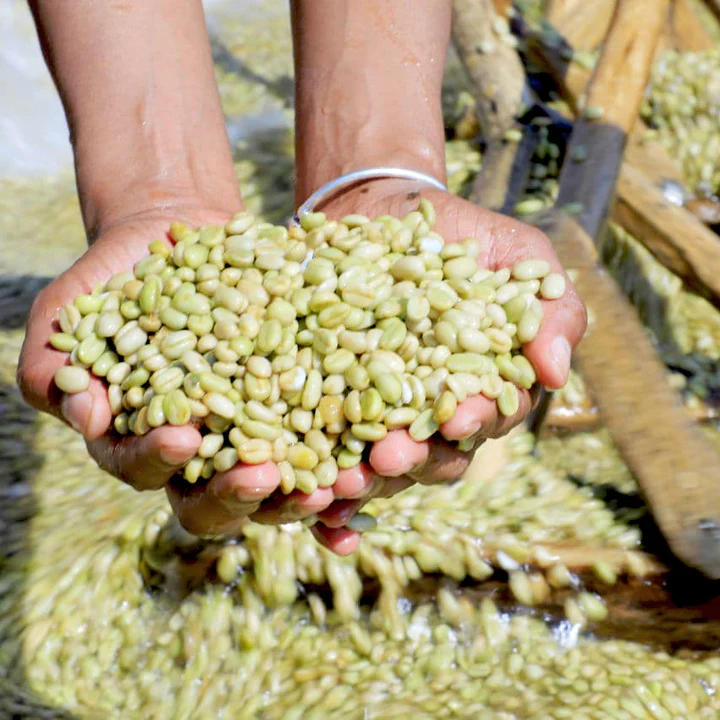
In terms of actual flavor profiles, washed Yirgacheffe often features lemon, floral, and citrus notes, with a clean and refreshing taste, and a honey and oolong tea-like aftertaste; while natural Red Cherry showcases higher sweetness, with berry and licorice flavors, and a tea-like, mellow aftertaste. As for Panamanian washed Geisha, it is dominated by citrus and bergamot acidity, paired with a creamy mouthfeel and a sweet aftertaste of green tea and honey; natural Elida is rich in fermented aromas, with layers of rose and berries, and a nutty and creamy finish.
Finally, whether it’s Geisha or Yirgacheffe, the freshness of the coffee beans is one of the most important factors affecting flavor. It is recommended to choose beans shipped within 5 days of roasting, and to let them rest for 4–7 days after receipt to allow the flavors to fully develop. If purchasing coffee powder, it should be brewed as soon as possible to avoid aroma loss due to oxidation. For coffee enthusiasts seeking the best tasting experience, grinding and brewing fresh remains the preferred method for enjoying specialty coffee.


The above content is compiled by CoffeeHunters, a coffee news website.


