







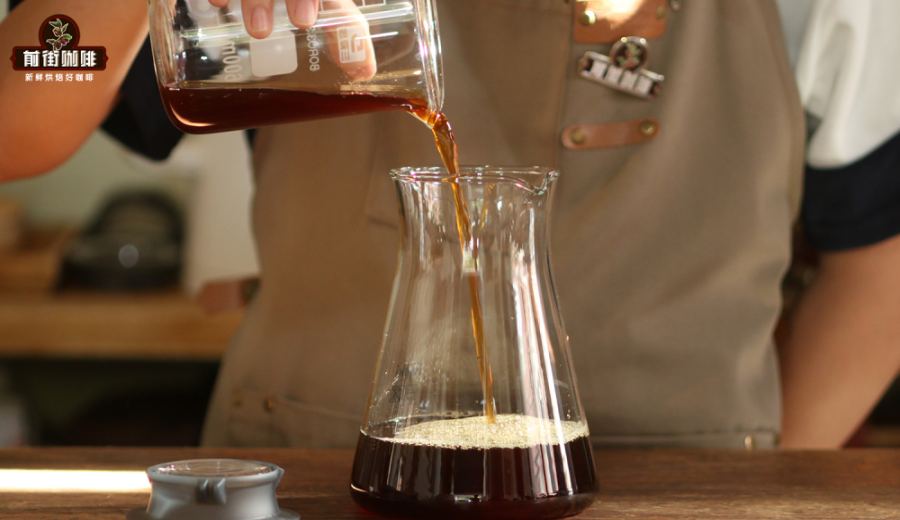
Introduction:On a hot summer day, a refreshing and smooth cold brew coffee is the go-to choice for many coffee enthusiasts to beat the heat. However, to successfully brew a balanced, low-acid, and non-astringent cold brew at home, every step—from the coffee-to-water ratio and grind size to steeping time—affects the final flavor. This article will clearly explain the extraction principles and key parameters of cold brew, along with practical recipes and detailed steps to help you easily avoid common mistakes, master the techniques, and enjoy a rich yet refreshing iced coffee experience.
As summer temperatures rise, a cold brew coffee with a refreshing flavor, low acidity, and a full-bodied mouthfeel has become a favorite among many coffee lovers. But making a satisfying cup of cold brew at home isn't as simple as just soaking coffee grounds in cold water. From choosing the right grind coarseness, determining the correct ratio of ice water to coffee grounds, to mastering the optimal steeping time, every detail directly impacts the final result. This article will guide you from the basic principles, helping you understand the uniqueness of cold brew extraction, and then breaking down the key parameter settings step by step, so you can gradually master this technique and easily brew a clean, smooth, and low-acid cold brew.
When it comes to the history of cold brew coffee, the concept was first proposed by an American Cornell University student named Toddy Simpson. After tasting an old-fashioned iced coffee from Peru, he was inspired to design a device used to slowly steep coffee grounds and extract their flavors, which also laid the foundation for the basic method of cold brew coffee. Over time, this method of low-temperature, long-duration extraction gradually gained popularity and has even been adopted by major chain coffee brands in their summer specialty drinks.
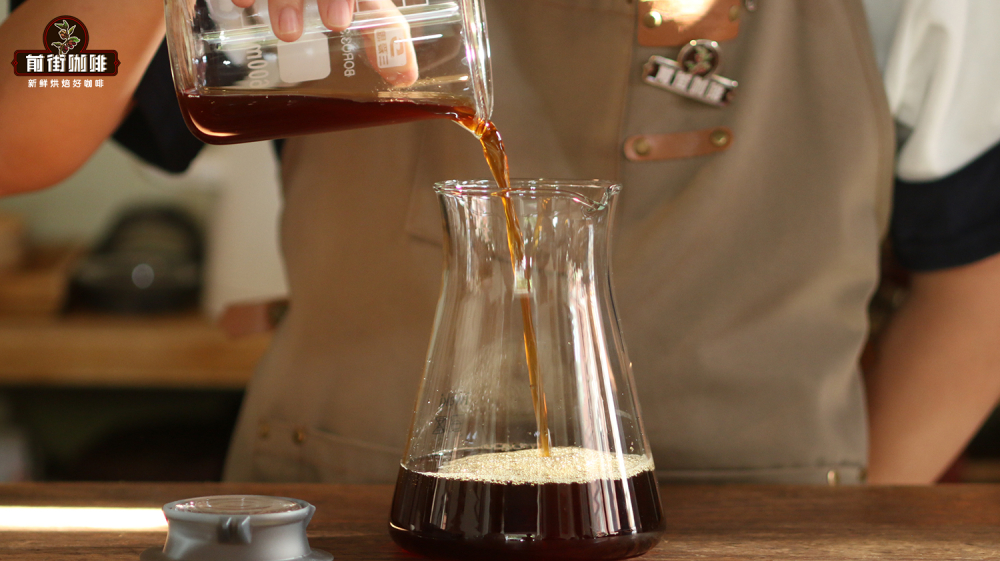
Cold brew, as the name suggests, involves using a low-temperature environment (usually room temperature or refrigerated temperature) to slowly extract coffee. The specific method is to mix pre-ground coffee powder with cold water in a certain ratio, and let it steep for at least 12 hours, sometimes even extending to 24 to 48 hours, to achieve a richer taste. The entire process does not require high-temperature heating, and therefore does not extract substances that are typically released at high temperatures, which can lead to bitterness or smokiness. Low temperature and long duration are the two most distinctive features of cold brew coffee.
From the perspective of extraction principles, because cold brew occurs in a low-temperature environment, molecular activity is relatively slow, and only smaller molecular weight aromatic compounds—such as floral and fruity notes—are able to be steadily released. Larger molecular flavor compounds, such as smoky or earthy notes, are less likely to be extracted. This is also the key reason why cold brew coffee usually has low acidity, a smooth mouthfeel, a soft yet layered flavor profile.
In terms of flavor, cold brew coffee exhibits a personality that is distinctly different from hot-brewed coffee. Because it is not extracted with high heat, it presents a softer, sweeter, and brighter taste, while also preserving the unique terroir characteristics of the coffee-growing region, such as fruity and floral notes, as well as certain regions’ distinctive sweetness. For those who prefer a refreshing yet layered drinking experience, cold brew is a great option.
Next, let’s take a look at the two most important parameters when making cold brew coffee: the coffee-to-water ratio and grind size. Generally, the recommended coffee-to-water ratio range is between 1:10 and 1:16, which can be adjusted according to personal taste preferences.If you prefer a lighter taste, you can choose a 1:16 ratio; if you like a stronger flavor, you can try 1:10, or even a ratio close to 1:12, which is also quite moderate.In practice, many people opt for a 1:15 ratio, as this concentration usually balances flavor depth with overall drinkability.
As for grind size, since cold brew involves long extraction times, grinding too finely can easily lead to over-extraction, resulting in unwanted astringency or off-flavors. Therefore,it is recommended to grind the coffee slightly coarser than your usual pour over grind,similar to the texture of coarse sugar, which can effectively prevent over-extraction while ensuring a steady release of flavor compounds. This is significantly different from the finer grinds used for pour over or espresso, and is something beginners should pay special attention to.

For example, if you choose Ethiopian Yirgacheffe region coffee beans, its native variety typically features prominent floral, citrus, and berry notes, making it very suitable for cold brew. Washed beans grown at an altitude of about 1900–2300 meters not only have clear flavors but can also showcase unique bright acidity and rich fruitiness under low-temperature extraction. As long as you control the coffee-to-water ratio and grind size well, you can fully highlight its regional characteristics.
In terms of practical operation, you can place 20 grams of coffee grounds into a container, add about 240 milliliters of cold water. It is recommended to usea coarse grind (slightly coarser than regular pour over),and adjust the total water volume according to a 1:12 coffee-to-water ratio. Then, let the mixture sit in the refrigerator. The recommended steeping time is 8 to 10 hours, but it can be extended to 13 hours depending on how strong you want the flavor to be. After steeping, use a filter cloth or paper filter to remove the coffee grounds, and you can enjoy a clear, low-acid, and smooth cold brew coffee.
The advantage of cold brew coffee is that it amplifies the inherent aroma and flavor layers of the coffee while reducing acidity and astringency, resulting in a more refreshing and smooth mouthfeel. Especially in hot weather, chilled cold brew is the ultimate refreshment. Additionally, because it is not extracted with high heat, fewer impurities and undesirable substances are released from the coffee, making it taste cleaner and purer, and also less likely to cause stomach discomfort.
Of course, cold brew also has its limitations. Since the coffee grounds are in contact with water for a long time, the caffeine release is relatively higher. It is estimated that a 200-milliliter cup of cold brew made with 20 grams of coffee beans may contain up to 200 milligrams of caffeine, making it suitable for moments when you need a boost, but also requiring attention to intake levels. Also, some users worry whether cold brew tends to turn sour? In fact, because the low-temperature environment inhibits oxidation and acid release, cold brew actually preserves sweet compounds better and reduces the occurrence of acidity and astringency. Therefore, when stored properly, its flavor can be more stable and long-lasting.

In summary, cold brew coffee is an excellent choice for summer and for those seeking a refreshing taste. As long as you master the coffee-to-water ratio, choose the right grind coarseness, and allow sufficient steeping time, you can easily replicate café-quality cold brew flavors at home. Whether you’re a pour over beginner or an experienced coffee enthusiast, cold brew is a brewing method worth exploring in depth. Through careful adjustments and repeated experimentation, you’re sure to find your own favorite cup of cold brew.
The above content is compiled by CoffeeHunters, a coffee news website.


