







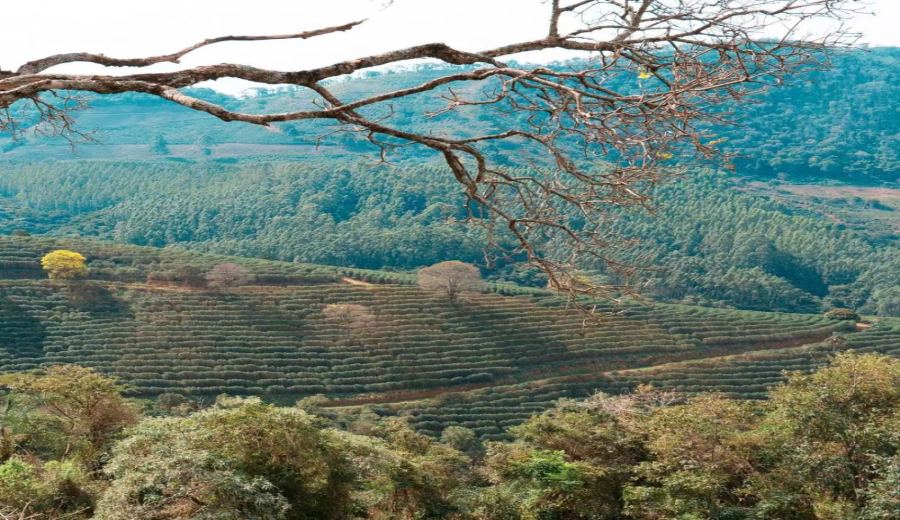
Introduction:Brazil is the world’s largest coffee-producing country, and its beans are known for their full body and low acidity, making them beloved by coffee enthusiasts worldwide. This article takes an in-depth look at the semi-washed Bourbon coffee from Fazenda Tijuco Preto in Minas Gerais, covering its origin, processing method, cupping profile, and practical pour over parameters and techniques to help readers fully understand the characteristics of this classic bean and learn how to brew it to perfection at home.
As the leading coffee producer in the world, Brazil is renowned for its coffee beans’ full body, low acidity, and rich notes of nuts and chocolate. Among these, Minas Gerais is a key specialty coffee region, and the semi-washed Bourbon beans from Fazenda Tijuco Preto stand out among Brazilian coffees with their delicate fruitiness and balanced sweetness.
This coffee is processed using the PWP method (which involves washing after picking, removing the skin and pulp, then sun-drying), exposing the beans to the sun while retaining the mucilage layer, resulting in bright fruity notes and a rich sweetness. Its flavor profile includes layers of stone fruit, lime peel, and roasted chocolate. The dry aroma carries hints of red wine, nuts, and sweetness, while the wet aroma blends sandalwood, mango, and tropical fruits like passionfruit, creating a well-rounded and captivating overall impression.
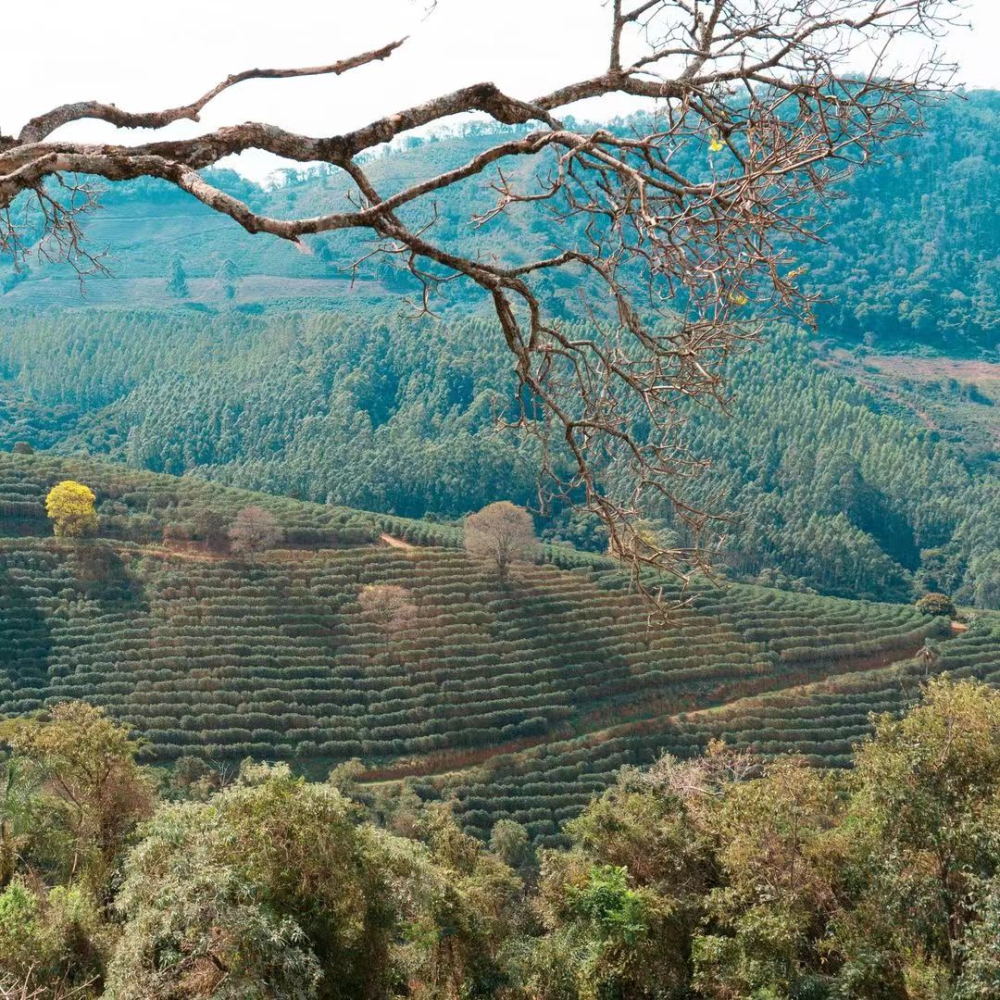
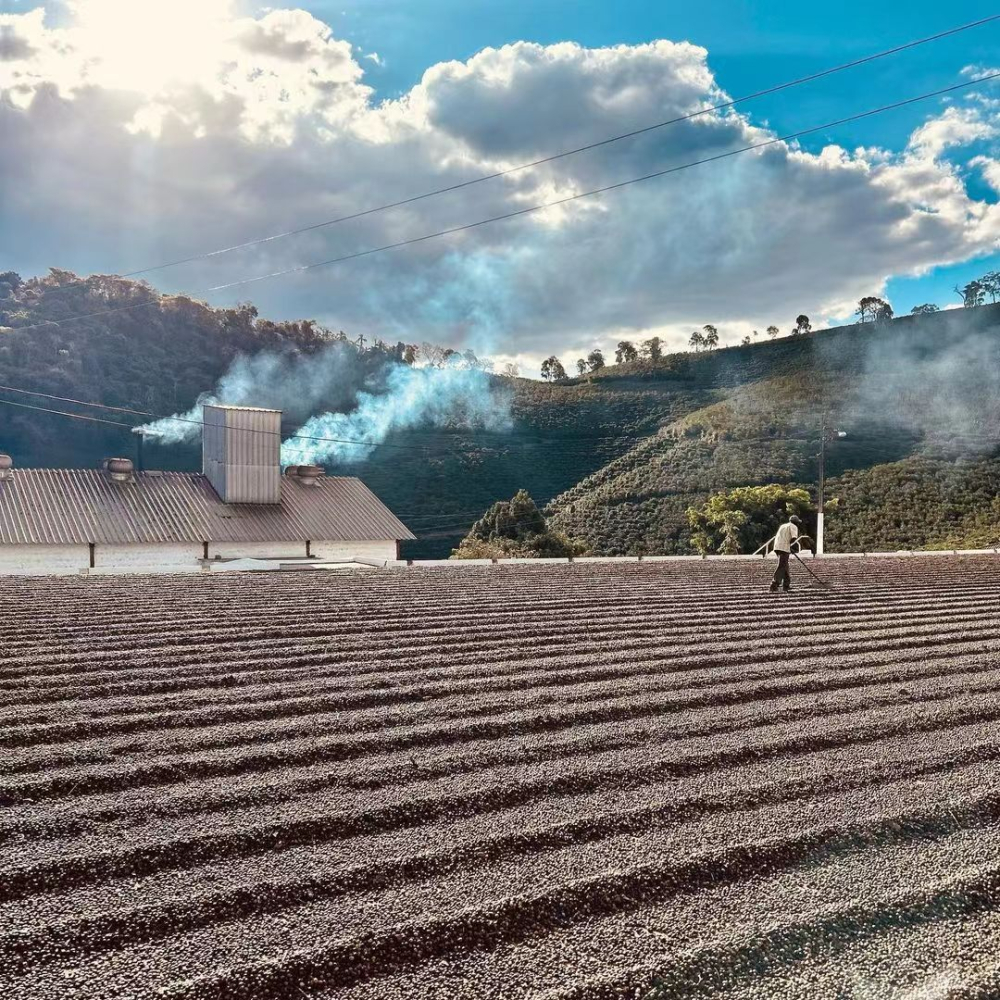
In the processing procedure, Fazenda Tijuco Preto insists on hand-picking only fully ripe coffee cherries to ensure consistent flavor and quality. The harvested cherries are immediately floated to remove unripe or defective beans, then the skin and pulp are removed by machine while the mucilage is retained. The beans are then evenly spread on drying beds, turned about 20 times daily until the moisture content drops below 11%. This method not only reduces the risk of fermentation off-flavors but also imparts a natural sweetness and gentle acidity to the final green beans.
This coffee bean is versatile in roasting. Medium-dark roasts can bring out caramel and nutty notes, while light to medium roasts better highlight fruity and balanced acidity. Trying it with a Kono filter, 88–90°C water, a 1:15 coffee-to-water ratio, medium grind, and a three-stage pour can effectively enhance body and flavor expression. It’s recommended to bloom for 30 seconds in the first stage, pour up to 125g in the second, then add more water up to 225g after the water level drops. The total brew time is about 2 minutes, yielding a cup with a rich finish of cream, caramel, and nuts.
Brazilian coffee is mostly grown in low-altitude, flat terrains, which is quite different from traditional high-altitude shaded cultivation. However, some micro-regions in Minas Gerais, such as Sul de Minas and Cerrado, have slightly higher elevations and stable climates, enabling the production of coffee beans with tighter structure and richer flavors. Although Fazenda Tijuco Preto is situated at an altitude of 1140 meters—relatively high for Brazil—the terrain is relatively flat. Its meticulous management and variety diversity allow the coffee to showcase layers and vibrancy that rival those of high-altitude beans.
Brazilian coffee is graded mainly based on the hardness of the green beans and flavor performance, categorized into levels such as “Extremely Mild,” “Mild,” “Fairly Mild,” “Hard,” and “Rioy.” Regions like Sul de Minas, Cerrado, and Mogiana, with higher altitudes, are mostly classified as “Extremely Mild” or “Mild”—premium grades suitable for coffee lovers seeking refined flavors.
Besides Bourbon, Brazil also widely cultivates varieties such as Red Bourbon, Yellow Bourbon, Catuai (New World), and Catucaí, along with smaller amounts of Caturra, Acaia, and Laurina (Slender Bourbon). Notably, the Campinas Agricultural Research Institute in São Paulo is a key institution for coffee variety improvement in Brazil, and the globally cultivated Catimor variety also originated from research conducted there.
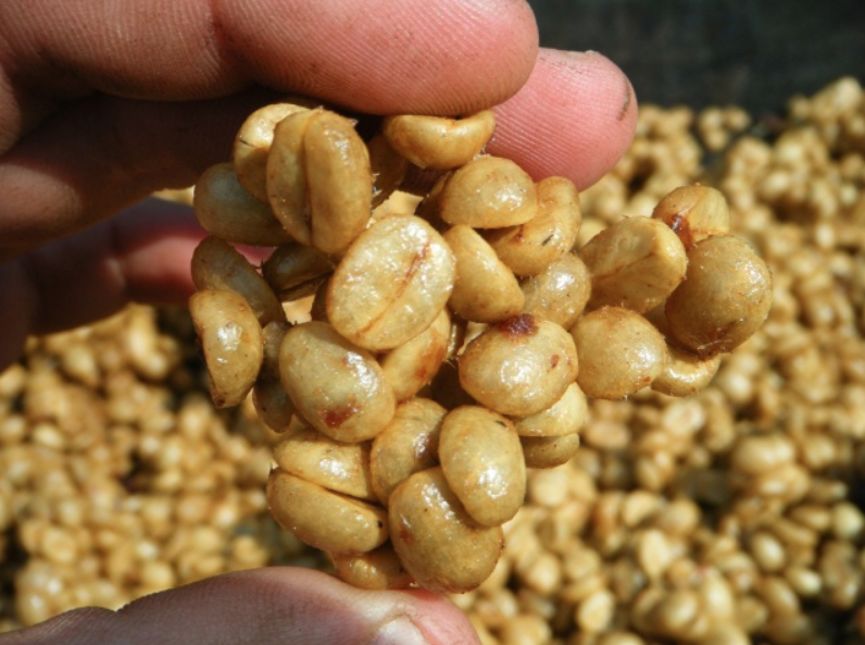
In terms of processing methods, Brazilian coffee commonly uses sun-dried (natural), washed, and semi-washed (honey process) approaches. The semi-washed method is an advanced version of the sun-dried method where the skin and pulp are removed, and the mucilage is retained before sun-drying. This reduces mold risks while enhancing sweetness and aroma. The process starts with removing floaters, followed by depulping, then spreading the beans on drying beds for 4–14 days of sun exposure, during which they must be frequently turned to ensure even drying. Final moisture content should be controlled between 10–14%, after which hulling and grading take place.
In summary, the semi-washed Bourbon coffee from Fazenda Tijuco Preto in Minas Gerais, Brazil, is a classic bean that combines body with fruity notes. It’s ideal for coffee lovers who prefer low acidity and seek sweetness and balanced flavors. Whether as a morning pick-me-up or a standard bean for pour over practice, it delivers a stable and satisfying experience. With the right grind size, water temperature, and brewing technique, you can easily unlock its unique charm.
The above content is compiled by CoffeeHunters, a coffee news website.


