







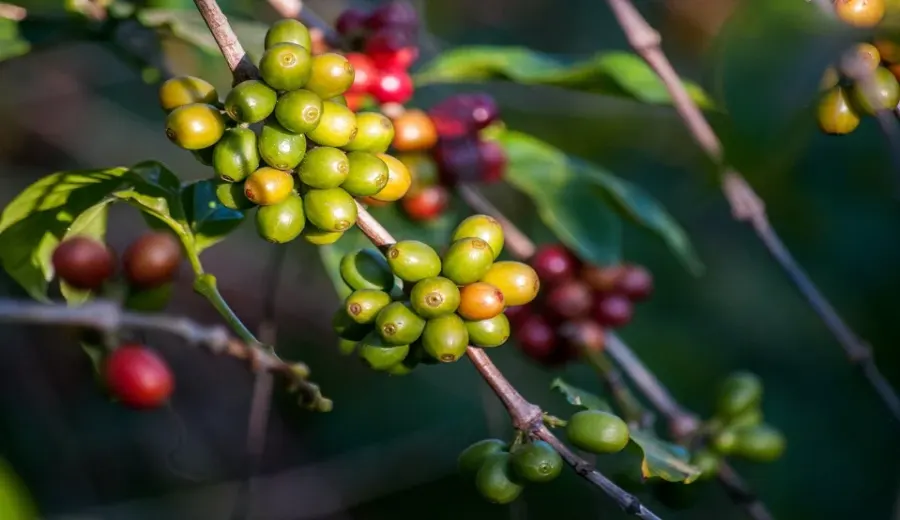
Introduction:Do you know why the same coffee beans can sometimes taste bright and acidic, and other times rich and sweet? The key lies in the post-harvest processing method. This article takes an in-depth look at the three classic coffee bean processing methods—washed, natural, and honey—and explores their steps, flavor profiles, and physical characteristics to show how different techniques shape the unique personality of coffee. It also includes practical roasting and brewing references to help you build a systematic understanding of coffee.
The foundation of a coffee's flavor is actually formed during the post-harvest processing stage. Washed, natural, and honey processing—these three historic and widely used methods each give beans a distinctly different character: washed processing results in clean acidity and crisp mouthfeel; natural processing enhances sweetness and complexity, delivering intense fruitiness; while honey processing skillfully balances acidity and sweetness, while also boosting aromatic richness. This article will guide you through the core features of these three techniques by examining actual processing procedures, differences in appearance between green and roasted beans, and typical flavor expressions.
Let’s start withWashed Processing, whose most defining feature is the removal of the skin, pulp, and most of the mucilage, leaving only the parchment layer for drying. This results in a clean flavor with pronounced acidity, often showcasing distinct citrus, berry, or floral notes, along with a refreshing and consistent mouthfeel. In terms of processing steps, harvested coffee cherries need to undergo flotation within 6 to 12 hours to remove floaters, after which they are sent to a pulper to remove the outer fruit flesh. Next comes the fermentation stage, where enzymes break down residual mucilage—usually taking 18 to 36 hours. After fermentation, the beans are thoroughly rinsed with clean water to ensure no sticky residue remains on the surface. Finally, the beans, still covered with just the parchment layer, are evenly spread out on raised beds, tarps, or concrete surfaces to dry. Environmental temperature and humidity affect drying time, which generally takes 5 to 14 days until the moisture content stabilizes around 11%. During this period, the beans must be regularly turned to avoid localized overheating or uneven drying. The dried parchment beans are then stored in a cool environment and hulled before export. Notably, washed green beans often exhibit a bluish-green color, and roasted beans usually show a clear silver skin line in the center—key visual indicators of this processing method.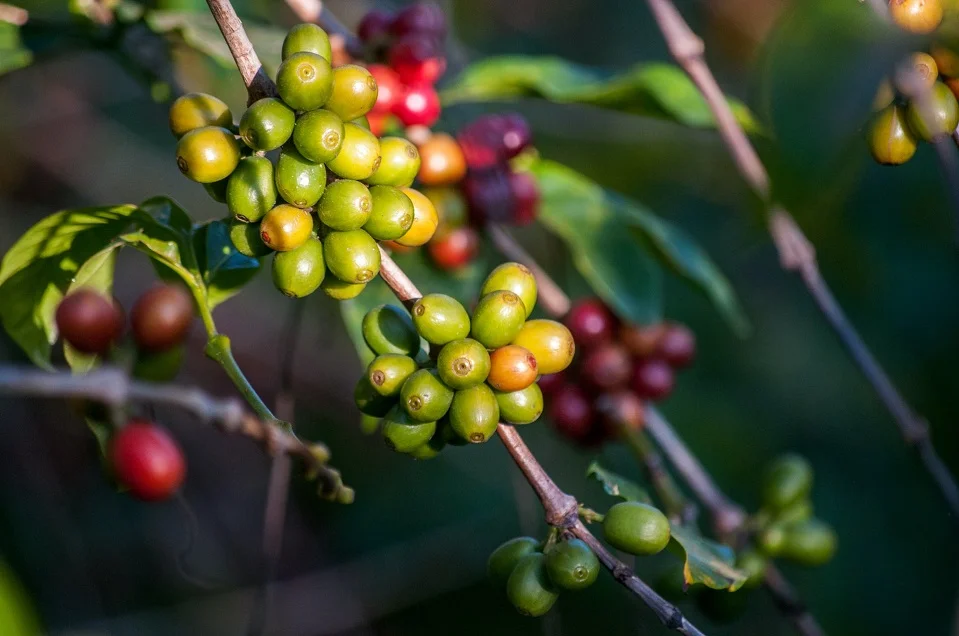
Next up isNatural Processing, one of the oldest methods, characterized by drying the entire coffee cherry over an extended period. This allows sugars and flavor compounds to fully penetrate the bean core, resulting in intense sweetness and complex layers, often with notes of berries, juice-like body, and rich tea-like aromas. In terms of procedure, harvested coffee cherries are meticulously hand-sorted to remove overripe, underripe, or insect-damaged defective beans, ensuring that only high-quality fruit proceeds to the next stage. The sorted cherries are then directly spread on raised beds, tarps, or concrete floors to dry for 3 to 4 weeks. Weather and temperature are closely monitored during this time, with regular turning to prevent mold or uneven drying. The target moisture content is also 11%. Once dried, the cherries are sent to a processing facility to remove the outer skin, pulp, and parchment layer, sometimes undergoing additional polishing to improve appearance. Finally, another round of sorting removes beans that are overly dry and brittle or too moist, before storage and export. Natural green beans often have partially retained silver skin and a yellowish-green hue, while roasted beans appear more uniformly colored due to the absence of a silver skin line. The overall flavor tends to be bold but not as clean as that of washed beans.
Finally, let’s introduce the increasingly popularHoney Processing, whose name, despite containing the word “honey,” actually refers to the sticky mucilage that clings to the bean surface during drying, feeling as smooth as honey. This method retains some of the mucilage for sun drying, striking a balance between washed and natural processing to enhance both sweetness and acidity, while amplifying aromatic expression—common tasting notes include caramel, cream, and tropical fruits. The key to honey processing lies in the precise control of mucilage retention ratio and drying conditions. Depending on how much mucilage is left and the intensity of sun exposure, it can be subdivided into black honey (retains nearly 100% mucilage, dried for over 14 days, often shaded to avoid overly fast drying), red honey (around 80% mucilage retained, dried for about 12 days, may use shade structures), yellow honey (40–60% mucilage retained, dried for roughly 8 days, with more sunlight exposure), and white honey (same mucilage retention as yellow, but spread thinner and dried for a shorter time). In practice, the coffee cherry’s outer skin and part of the pulp are first removed, retaining a specified amount of mucilage. The beans are then evenly spread on shading nets or special drying beds for sun drying. During this period, covering and turning frequency are adjusted based on weather to ensure stable mucilage breakdown and prevent crusting on the bean surface. After drying, the beans exhibit a yellowish hue, with clear visible traces of dried mucilage on the green bean surface. Roasted beans carry a unique fermented aroma and a full-bodied mouthfeel. This process demands high environmental and technical standards, but it can produce highly distinctive and recognizable flavor profiles.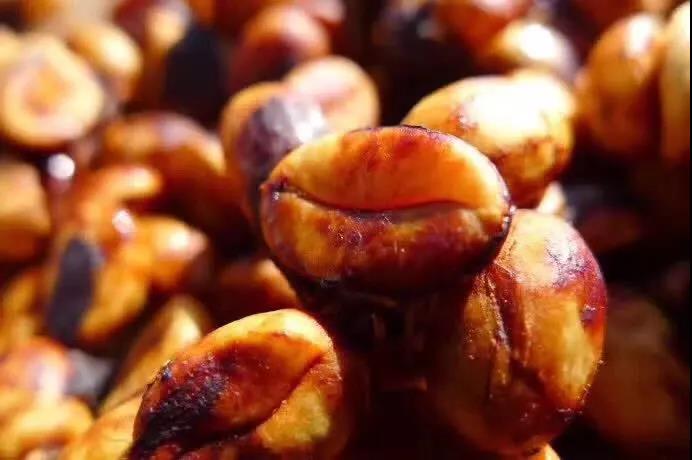
The above content is compiled by CoffeeHunters, a coffee news website.


