







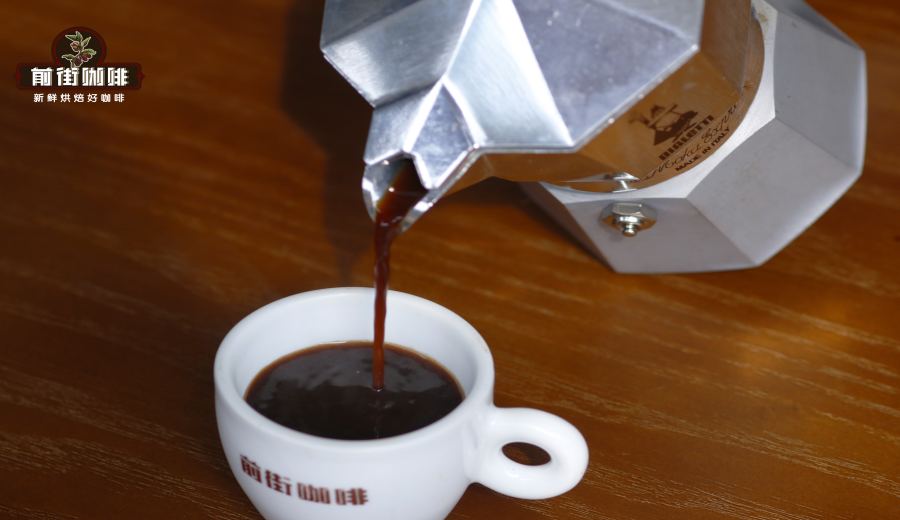
Introduction:The moka pot is a classic tool that allows many coffee enthusiasts to easily brew rich coffee at home, extracting a coffee liquid with crema and a bold flavor using steam pressure. This article delves into the structure of the moka pot, the differences between single and double-valve designs, capacity options, and provides a detailed analysis of suitable coffee bean types and optimal brewing times. It also offers practical operation steps and precautions to help you consistently brew thick, captivating espresso-style coffee.
The moka pot (Moka Pot) is an extremely common espresso-style brewing device in Italian households. By utilizing the steam pressure generated from heating, it pushes hot water through medium-fine ground coffee, extracting a flavor-concentrated coffee liquid. This direct-flame extraction method is not only simple to operate but also convenient for outdoor use, making it highly popular among coffee lovers worldwide.
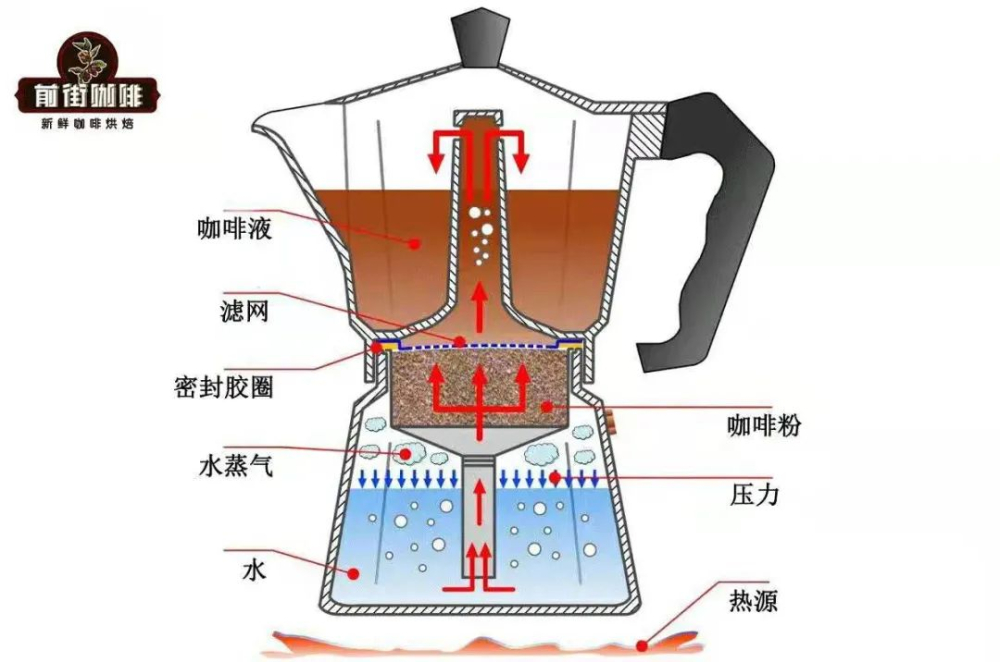
The basic structure of a moka pot consists of three main parts: the lower water chamber, the middle coffee grounds chamber, and the upper coffee collection chamber. When the water in the lower chamber is heated, steam pressure gradually builds up until it is sufficient to push the water through the coffee grounds placed in the middle chamber, allowing the extracted coffee liquid to flow into the upper chamber. This pressure range is approximately 1.5 to 2 bar, which, although not as high as the 9 bar of a professional espresso machine, is still enough to extract coffee oils and produce a bold flavor similar to espresso.
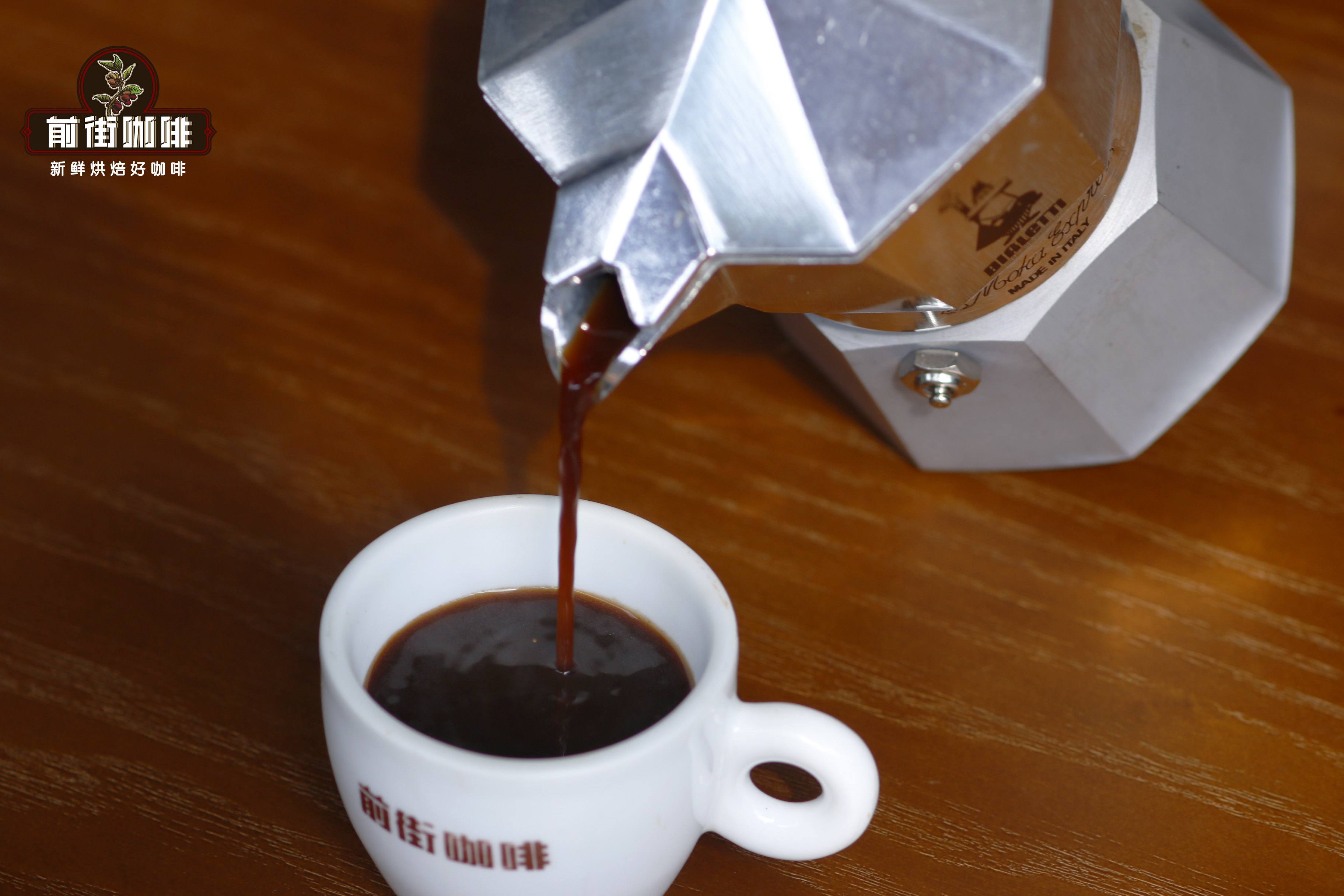
Currently, moka pots on the market are mainly divided into single-valve and double-valve designs. The single-valve moka pot allows the coffee liquid to flow out directly through a small hole at the top of the hollow tube in the coffee grounds chamber, while the double-valve moka pot has an additional pressure valve that opens only when the internal pressure reaches a certain level, further increasing extraction pressure and oil release. In comparison, the double-valve design usually produces richer, more oil-laden coffee with a more layered flavor profile.
In terms of capacity, moka pots are typically measured in “servings” or “cups,” with common specifications including 1, 2, 3, 6, 9, 12, and 18 servings. If you are using it alone or brewing just 1 to 2 cups, it is recommended to choose a small pot with 1 to 2 servings; for sharing with family or friends, a 3-serving pot is ideal; for daily household use or if you wish to brew multiple cups at once, you can opt for models with 6 servings or more, though the price will increase accordingly. It’s worth noting that a standard shot of espresso is about 30 to 40 milliliters, so you may want to use this as a reference when planning capacity.
The advantages of the moka pot lie in its simple operation and stable extraction results, allowing you to enjoy rich coffee at home without expensive equipment. Additionally, its sturdy structure makes it suitable for various heat sources, including open flames and electric ceramic stoves, and it is portable, making it a practical choice for outdoor or travel use. However, due to its pressure and extraction method limitations, the flavor complexity of coffee brewed with a moka pot is generally not as high as that from a professional espresso machine, with more limited acidity and aroma layers. It is suitable for users who pursue a bold taste rather than a delicate flavor presentation.
For suitable coffee bean types for the moka pot, it is generally recommended to choose medium to dark roasted beans. These beans have a bold flavor and a balanced bitterness and sweetness, which complement the high extraction pressure of the moka pot to bring out a fuller taste. Common recommendations include Indonesian Queen Estate beans with creamy peanut notes, Golden Mandheling showcasing spicy and caramel aromas, classic blends rich in oils, and Black Cocoa blends with chocolate and bold aftertaste. Additionally, if you want to try different flavor profiles, you can also choose Papua New Guinea Paradise Bird coffee beans grown at altitudes of 1600–1800 meters and processed with the washed method. The Typica variety characteristics provide a clean and clear base while retaining the bold expression of medium roasting.
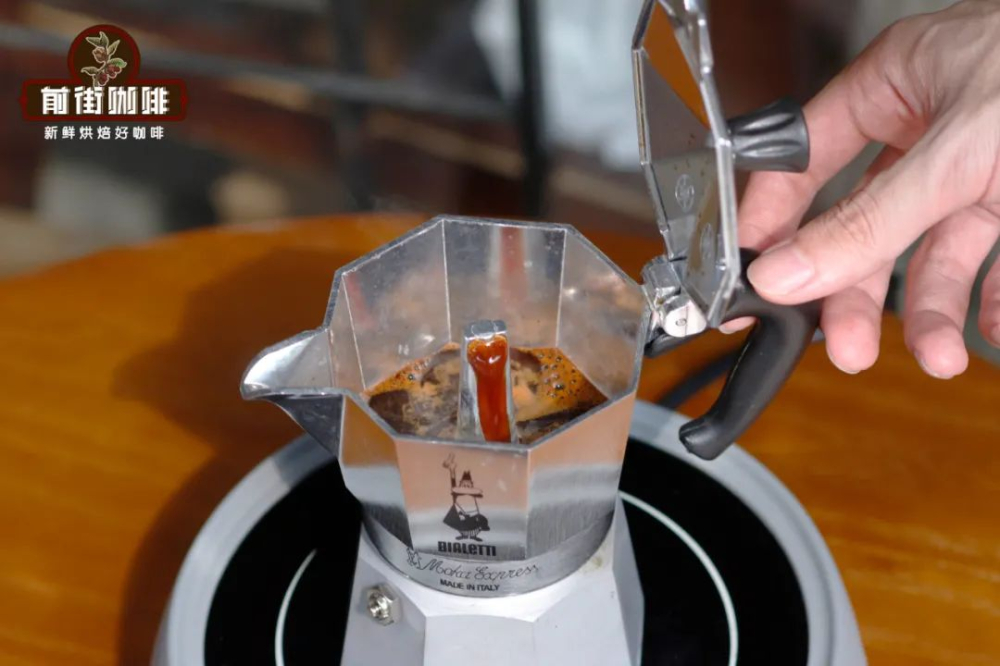
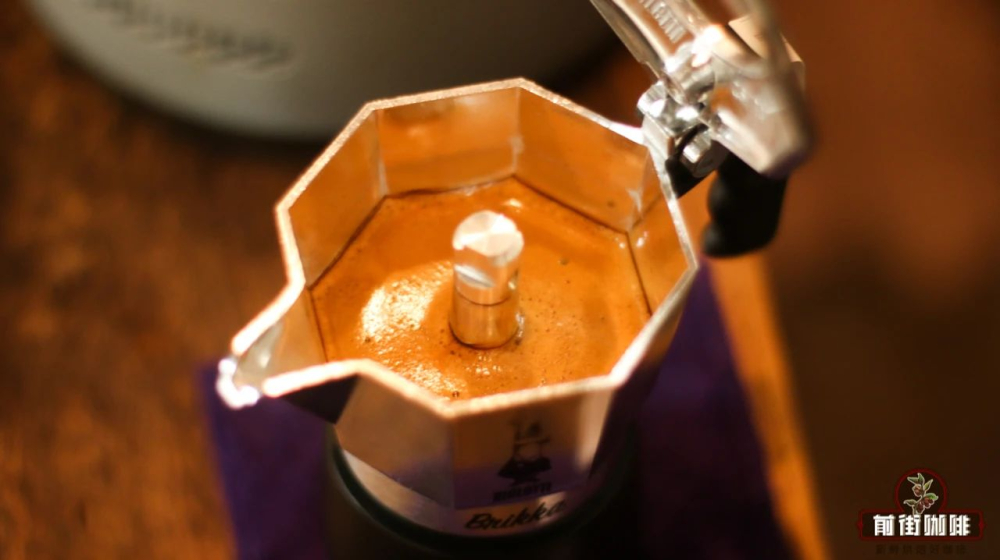
When actually using a moka pot, it is recommended to follow these steps: First, pour cold water into the lower chamber up to the safety valve level, then assemble the filter and coffee grounds chamber. Next, choose a medium-fine grind slightly coarser than espresso, fill the coffee grounds chamber evenly with coffee powder, gently tamp it without over-compressing, form a slight mound in the center, and then tighten the upper chamber. Place the assembled moka pot on a stable heat source, and it is recommended to use low to medium heat. When you hear a distinct “wuu wuu pfft” sound, it indicates that extraction has begun. At this point, reduce the heat and observe the flow of coffee liquid from the upper chamber.
When about half of the coffee liquid has been extracted, you can turn off the heat and let the residual heat and remaining pressure push the rest of the coffee into the upper chamber to avoid over-extraction affecting the flavor. Finally, pour the brewed bold coffee into a cup and enjoy your moka pot coffee with fine crema. If desired, you can also add hot water to make it an Americano, or mix it with milk to create variations such as a latte, all equally flavorful.
The above content is compiled by CoffeeHunters, a coffee news website.


