







Introduction:Jamaica Blue Mountain and Indonesia's Golden Mandheling represent the pinnacle of coffee from the Caribbean and the highlands of Sumatra, respectively. These two classic beans differ greatly in terms of origin environment, varietal characteristics, processing methods, and final flavor profiles. This article delves into their cupping flavor profiles and recommended pour over parameters by exploring factors such as geographical conditions, green bean grading, and differences between washed and wet-hulled processing—helping you make a more precise choice based on your taste preferences.
In the world of specialty coffee, when it comes to a rich and layered coffee experience, “Jamaica Blue Mountain” and “Indonesia Golden Mandheling” are often two widely discussed classics. Although both belong to the Arabica species, they originate from vastly different geographical environments and cultural backgrounds, showcasing uniqueness in planting altitude, varietal genetics, processing techniques, and even final flavor profiles. This article will provide a detailed comparison of these two top-tier coffee beans—from terroir, green bean grades, processing methods, to cupping flavors and pour over brewing recommendations—to help you deeply understand their fundamental differences.
Many coffee enthusiasts, when seeking a cup of coffee with intense flavor and a well-structured body, often hear the terms “Blue Mountain” and “Mandheling.” Even if they haven’t personally tasted them, these names are already deeply rooted in people’s minds. However, what are the specific differences between Blue Mountain coffee and Golden Mandheling? What brewing methods are best suited for each? The following will provide a comprehensive comparative analysis across multiple dimensions.
The Decisive Influence of Origin Environment and Geographic Background
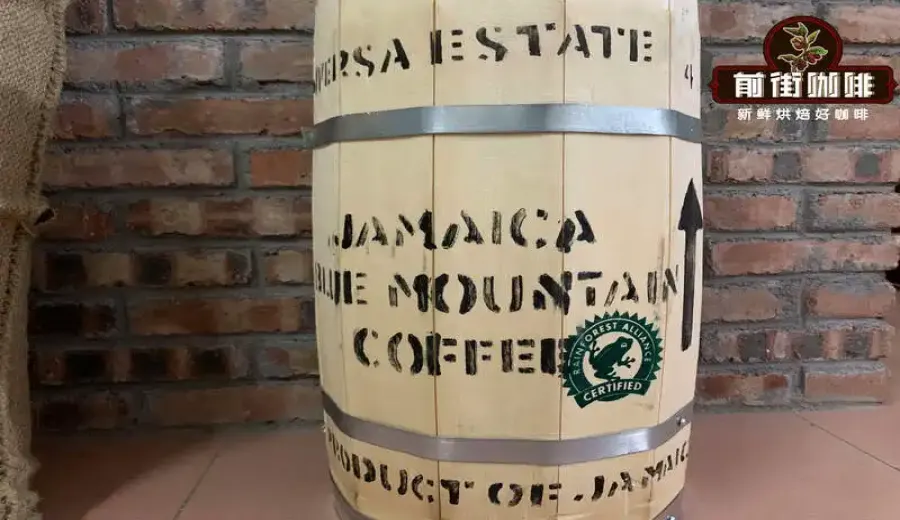
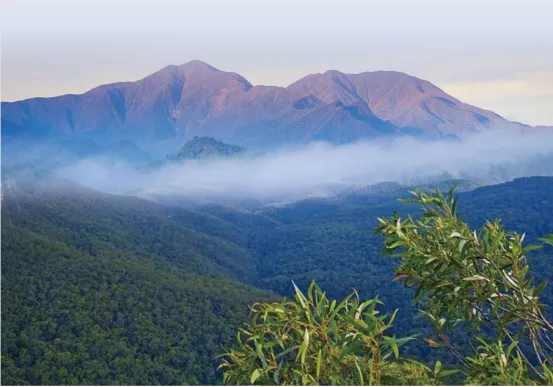
The growing region of Jamaica Blue Mountain coffee is located in the eastern mountainous area of Jamaica in the Caribbean, known as the “Blue Mountains.” The main peak of this mountain range reaches an elevation of 2,256 meters, but the area suitable for coffee cultivation is limited to altitudes below 1,700 meters, as higher elevations are designated as protected forests. The Blue Mountains’ unique geographic location offers abundant sunlight and cloud cover during the day, a significant drop in temperature at night, as well as volcanic soil rich in nitrogen and phosphorus, stable rainfall, and fresh air—all of which create optimal conditions for coffee growth and shape the delicate and balanced flavor characteristics of Blue Mountain coffee.
On the other hand, Indonesia’s Golden Mandheling mainly originates from the northern part of Sumatra Island, particularly the Lake Tawar region near the Gayo Mountains. Indonesia lies on the equator and has a typical tropical rainforest climate, where year-round high temperatures and humidity provide a stable environment for coffee growth. However, the excessively long rainy season makes traditional sun-drying methods difficult to implement, so the local area commonly employs the “wet-hulled method” to accelerate drying while preserving bean flavors. Sumatran Mandheling, due to its unique geographic environment and processing methods, results in a rich drinking style with earthy and herbal notes, and among them, “Golden Mandheling” is an even more strictly selected top-grade batch.
Differences in Varietals and Green Bean Grading
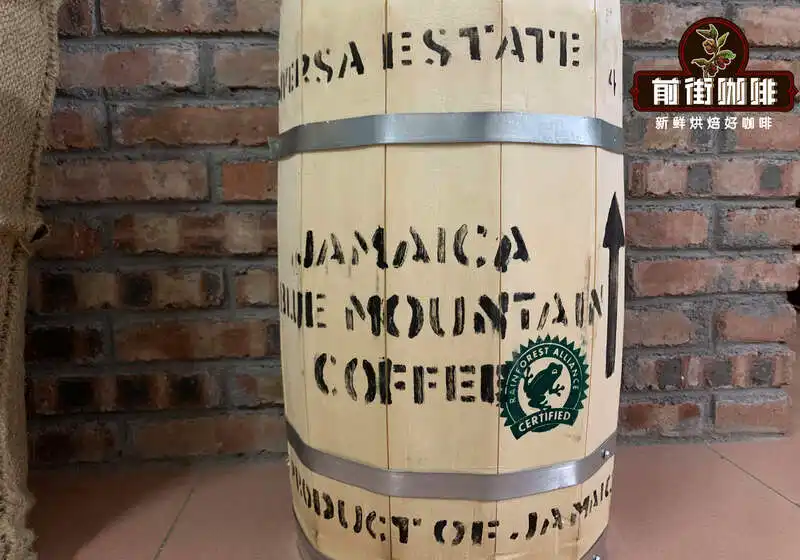
Jamaica Blue Mountain primarily uses the traditional Typica variety, which features bronze-colored top leaves, an oval-shaped bean, and a delicate and elegant flavor—but relatively weaker disease resistance, leading to limited production. Blue Mountain coffee is subdivided into three grades according to altitude: Blue Mountain (910–1,700 m), High Mountain (460–910 m), and regular Jamaica Coffee (below 460 m). Among them, only Typica beans grown at altitudes between 910 and 1,700 meters can be labeled as “Jamaica Blue Mountain Coffee,” and the top-tier “Blue Mountain No. 1” must meet even stricter standards such as a bean size of 17 mesh or above, a defect rate of less than 2%, and a moisture content of around 13%.
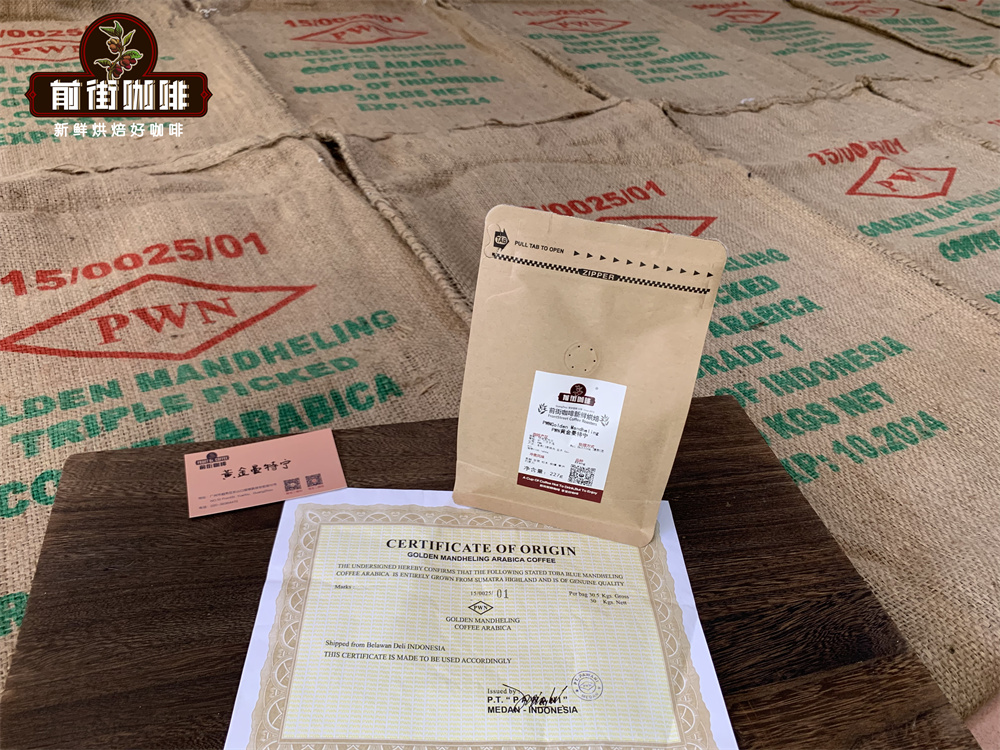
As for Indonesia’s Golden Mandheling, the main variety is Ateng (i.e., Catimor, a hybrid of Caturra and TimTim, with Robusta genetics), which has stronger disease resistance and high-yield characteristics. The origin is the Lake Tawar region in northern Sumatra at altitudes of 1,100 to 1,600 meters. During the bean selection process, only G1 grade beans that have undergone three rounds of manual sorting by professional institutions are chosen, ensuring uniformity and flawlessness of each bean. This strict selection process allows Golden Mandheling to deliver a cleaner and more consistent flavor upon tasting.
The Key Impact of Processing Methods: Washed vs Wet-Hulled
Traditionally, Jamaica Blue Mountain coffee is processed solely using the washed method. After harvest, the coffee cherries are first floated to remove underripe or defective beans, then the pulp is removed through fermentation, followed by washing the bean surface clean using water flow and friction, and finally, the beans are evenly spread out to dry until the moisture content drops to 12%–14%. This processing method preserves the original sweet-and-acid balance and delicate aroma of the beans, and is one of the keys to why Blue Mountain coffee can exhibit a clean and full-bodied flavor. In recent years, there have been small amounts of Blue Mountain No. 1 that tried sun-drying, but washed remains the mainstream.
In contrast, Indonesia, being in a tropical rainforest zone, faces long periods of rainfall that make sun drying difficult, hence the development of the “wet-hulled method,” a unique processing technique. This method involves first removing the outer skin of the coffee cherry, followed by brief fermentation and initial drying, then removing the mucilage layer and parchment while the beans are still semi-soft, followed by subsequent rapid sun drying. This approach significantly shortens the drying time, but because the beans are softer during processing, they often exhibit a distinctive “hoof-shaped” form. The wet-hulled method gives Mandheling a fuller body and unique herbal and spicy notes.
Cupping Flavor Comparison: Delicate vs Bold
The dry aroma of Jamaica Blue Mountain No. 1 often carries notes of roasted peanuts, hazelnuts, melon, and chocolate, while after brewing, it releases complex layers of oolong tea, honey, and almond skins. When sipped, one can perceive delicate acidity and bright fruitiness, with lingering chocolate and cocoa notes on the palate, resulting in a smooth and full-bodied mouthfeel overall, with a fruity finish that lingers. It is a balanced and delicate high-end coffee.
In contrast, the dry aroma of Indonesia’s Golden Mandheling is dominated by baked toast, nuts, and spices, with caramel and dark chocolate aromas becoming more pronounced after pouring water. When sipped, one can enjoy a blend of pine, herbs, and caramel, with a bold and rich flavor and a prominent sweetness. The overall performance is balanced and full-bodied, with a warm caramel aftertaste, making it suitable for drinkers who prefer a bold taste and rich aroma.
Pour Over Brewing Recommendations and Practical Parameters
For these two bold-oriented classic coffee beans, it is recommended to use a KONO filter, with water temperature controlled at 88°C, grind size benchmarked at 70% passing through a standard 20-mesh sieve, a powder-to-water ratio set at 1:15, and a coffee dose of 15 grams. During brewing, start with a 30-second bloom using 30 grams of water, then pour water in small circular motions centered around the coffee bed up to 125 grams for the first pour. Once the water level drops, pour again up to 225 grams, and wait for the dripping to complete before enjoying.
In actual pour over brewing, Blue Mountain No. 1 emits a rich caramel aroma even during the grinding stage. Upon tasting, the flavors of nuts and chocolate are clear, with balanced acidity and sweetness, delivering a clean and layered overall performance. Golden Mandheling, on the other hand, showcases a complex aroma of spices, herbs, and nuts, with a distinct caramel sweetness, a long and full-bodied aftertaste, and is highly suitable for coffee lovers who enjoy a bold flavor profile.
The above content is compiled by CoffeeHunters, a coffee news website.


