







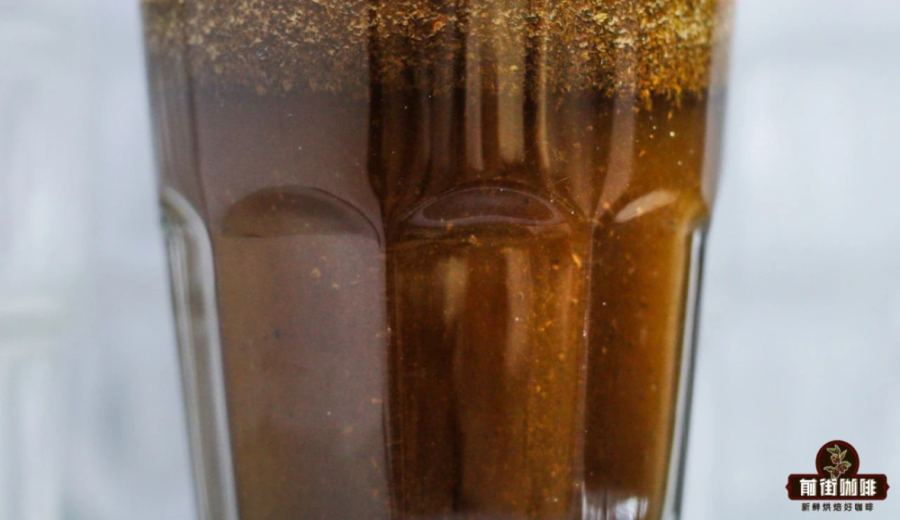
Introduction:Cold brew coffee, with its refreshing taste and simple brewing process, has become the go-to choice for coffee lovers in summer. Compared to traditional hot brewing methods, cold brew extracts the essence of coffee more stably through long-term low-temperature steeping and is relatively less sensitive to brewing parameters. This article will delve into the key variables of cold brew coffee, including water temperature control, grind size, coffee-to-water ratio, and optimal steeping duration, while also providing two practical daily-use suggestions to help you easily make a well-balanced and layered iced coffee at home.
On a hot summer day, a cool and smooth cold brew coffee not only provides an instant pick-me-up but also offers a completely different taste experience compared to hot coffee. The principle behind cold brew is to steep coffee grounds in water at a low temperature for an extended period. This slow and steady extraction process fully releases the flavor compounds in the coffee while minimizing the bitterness and off-flavors caused by over-extraction.
Compared to hot water brewing, cold brew is more forgiving in terms of grind size, water temperature, and time, making it easy to start even without professional equipment at home. However, to brew a cold brew that is refreshing and aromatic, you still need to master several key elements, including suitablewater temperature conditions,grind size,coffee-to-water ratio, and the most crucial factor:steeping time.
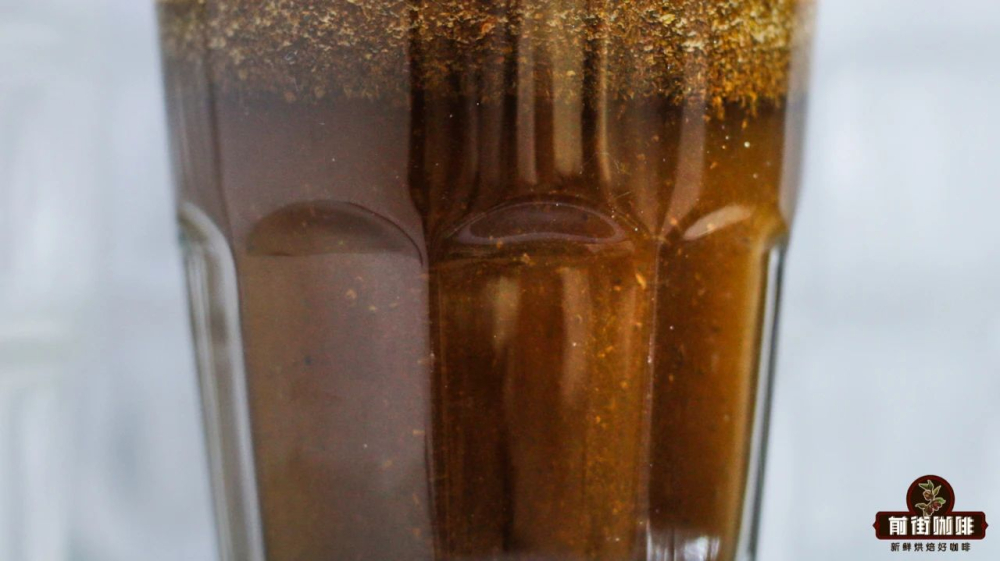
The generally recommended cold brew parameters are: a grind size close to pour over level, roughly 70% to 85% passing through a Chinese No. 20 sieve, visually similar to fine sugar granules;the coffee-to-water ratio is suggested to be set between 1:10 and 1:13, depending on personal preference for strength; andthe steeping time ranges from 8 to 18 hours. To achieve the best flavor balance, this variable is often the key to the overall result.
To better understand the actual impact of time on flavor, an experiment was conducted using coffee grounds under identical conditions, steeped for 4, 10, 16, and 22 hours respectively, with a grind coarseness similar to fine sugar (close to EK43s electric grinder setting -9.5 or C40 hand grinder setting -22), maintaining a 1:10 coffee-to-water ratio. The results showed that the flavor profiles varied significantly with different steeping durations.
Among them, the 4-hour steeped coffee showed obvious under-extraction, with thin acidity, weak aroma, light taste, and lack of layers; extending to 10 hours, the sweet and sour notes began to emerge, featuring a bright berry character, refreshing taste, and livelier aroma. The 16-hour sample exhibited a more complete extraction balance, with soft citrus acidity and rounded sweetness, offering the most harmonious profile—suitable for drinking straight or over ice. In contrast, the 22-hour sample, while richer in intensity, showed signs of over-extraction, with slight tea-like notes and astringency, and a slightly rough finish.
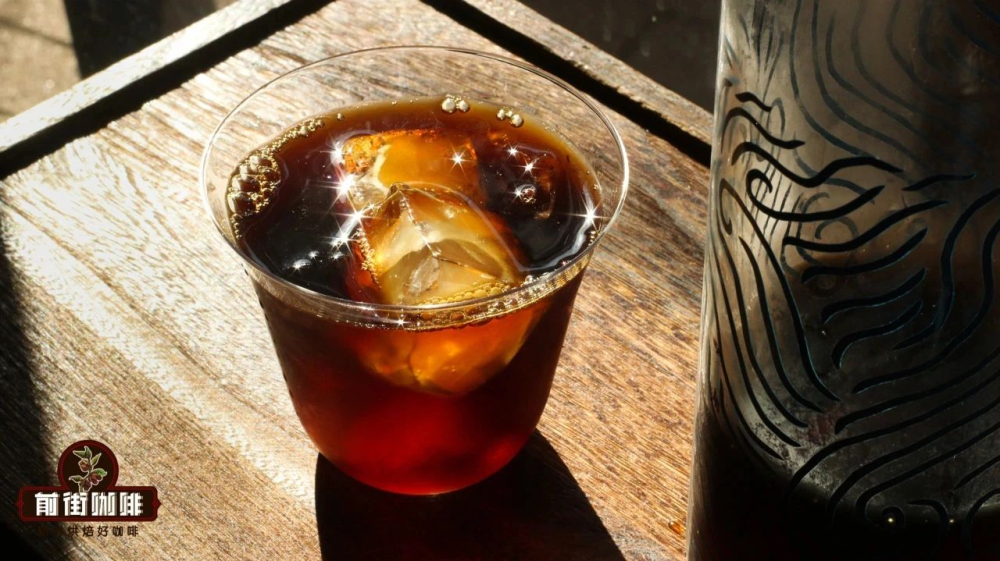
This shows thatgrind size and steeping timeare the two main factors influencing the final flavor direction of cold brew coffee. Since the coffee grounds and water remain static during cold brewing—without the convection and high extraction efficiency brought by hot water—sufficient time is required for the water to slowly penetrate and extract the sugars, organic acids, and aromatic compounds in the coffee. But precisely because of this, if the time is too long or the grind too fine, over-extraction can easily occur, leading to unwanted off-flavors.
Generally speaking, if you prefer your cold brew to have a refreshing and bright acidic profile, you can choose a slightly coarser grind and shorter steeping time, such as using coffee grounds close to pour over coarseness, paired with a 1:12 coffee-to-water ratio, and steeping for about 8 to 12 hours. If you prefer a richer, sweeter flavor, you may slightly reduce the grind size, increase the coffee-to-water ratio to 1:10 to 1:11, and extend the steeping time to around 16 hours, allowing the sweetness and body of the coffee to become more pronounced.
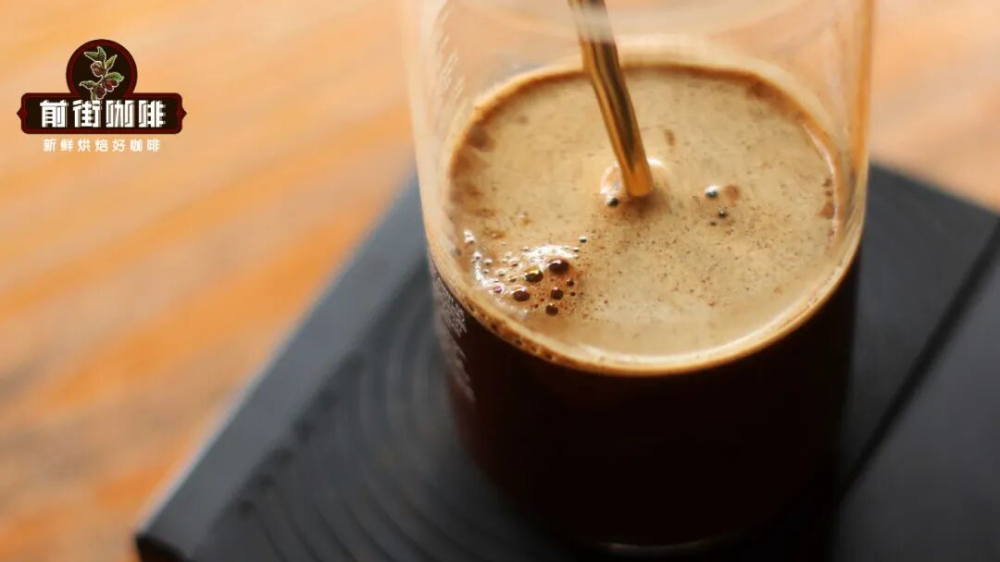
For the busy pace of daily life, the following two cold brew timing plans can help you plan the brewing process more efficiently:
Scenario one: If you want to enjoy a freshly filtered cold brew at 7–9 AM the next morning, it is recommended to mix the coffee grounds with cold water and place it in the refrigerator before going to bed (around 9 PM to midnight). This results in a steeping time of about 7–12 hours, which falls within a safe and stable extraction range, yielding clear and bright acidity with moderate sweetness—ideal for those who prefer a refreshing taste.
Scenario two: If you’re used to preparing coffee in the morning, it’s recommended to start the cold brew in the fridge between 8–9 AM, letting it steep overnight until 6–8 PM. This steeping time of approximately 9–12 hours also achieves good extraction balance, and after filtering, letting it chill in the refrigerator for a while allows the flavors to further settle and integrate, resulting in a smoother and cleaner taste.
In summary, the charm of cold brew coffee lies in the perfect balance between ease of preparation and diverse flavor profiles. By mastering the three key elements—grind coarseness,coffee-to-water ratio, andsteeping time—you can tailor your cold brew to suit your personal taste preferences, creating everything from bright and acidic iced coffees to rich and mellow ones. Whether you’re new to coffee or an enthusiast seeking layered flavors, cold brew is a brewing method worth exploring in depth.
The above content is compiled by CoffeeHunters, a coffee news website.


