







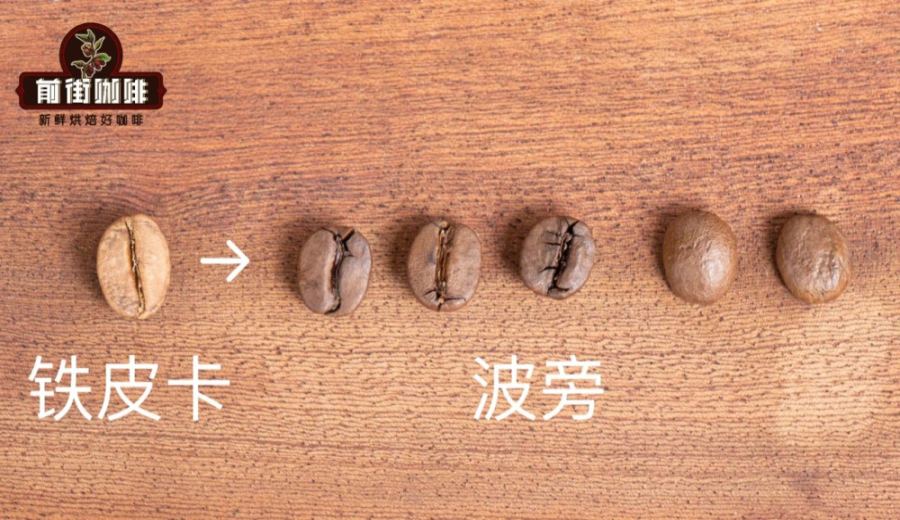
Introduction:Bourbon coffee beans are renowned for their diverse fruit colors and unique flavor profiles. The red, yellow, and pink Bourbon varieties each have different genetic backgrounds and regional characteristics. This article delves into the origins of the Bourbon variety, the reasons behind its color variations, the flavor expressions of major producing regions, and provides practical pour over parameters and steps for Brazil's Fazenda Rainha Yellow Bourbon and Red Bourbon. It serves as a useful guide to understanding the Bourbon family and advancing your pour over skills.
Among the many Arabica coffee varieties, Bourbon and Typica are considered the two most historically significant original varieties. However, compared to varieties celebrated for yield or flavor, the Bourbon family is more widely recognized for the coffee cherries' vibrant hues—red, yellow, and pink. These colorful fruits not only affect appearance but are also closely related to the maturity of the coffee, processing outcomes, and final flavor. This article will start with the historical origins of Bourbon, analyze the genetic lineage and cultivation status of Red Bourbon, Yellow Bourbon, and Pink Bourbon, and focus on two well-known Brazilian regions, Mogiana and Sul de Minas, to detail the nutty, chocolatey, and caramel notes these Bourbon varieties exhibit. Finally, it offers practical medium-dark roast pour over recommendations to help coffee enthusiasts fully experience the charm of Bourbon.
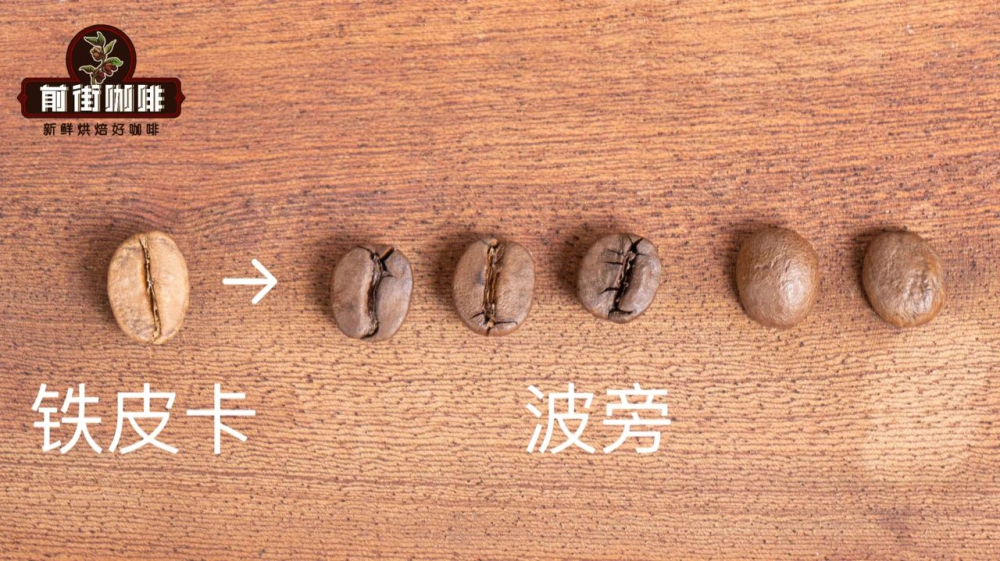 The history of the Bourbon variety dates back to the 18th century when the French introduced round-seeded coffee beans from Yemen to the island then known as Bourbon Island (now Réunion). The variety was thus named. Over time, Bourbon adapted to the local environment and exhibited stable growth characteristics. However, it wasn’t until the mid-19th century that this variety began to spread beyond its origin, first arriving in Brazil and then quickly taking root across Central and South America, becoming an important cultivated variety in many regions.
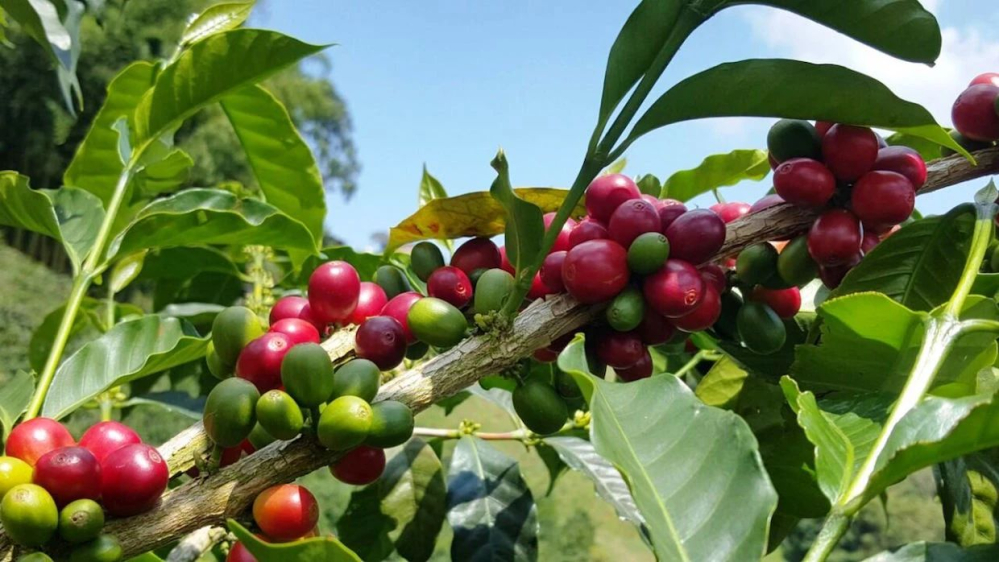
When discussing Bourbon, what stands out most is the diversity of its fruit colors, including the common Red Bourbon, the relatively rare Yellow Bourbon, and the extremely scarce Pink Bourbon. Red Bourbon is the most widely known type; its cherries transition from green to yellow, then orange, and finally to a vivid red as they ripen. This is also the ideal state according to most harvesting standards. Harvesting too early results in underdeveloped flavors, while overripe cherries can easily produce undesirable fermented tastes. Thus, mastering the timing of harvest is crucial.
Yellow Bourbon is a descendant of Red Bourbon crossed with other varieties, and its cherries mature to a soft yellow hue. This type of Bourbon was first discovered in Brazil and remains primarily cultivated there. However, Yellow Bourbon typically has lower yields and is more sensitive to environmental changes such as wind and rain, making large-scale cultivation challenging. As for Pink Bourbon, it is even rarer—it is a further hybrid of Red Bourbon and Yellow Bourbon, and its unique pink coloration is controlled by recessive genes, making it highly unstable and thus difficult to popularize in commercial cultivation.
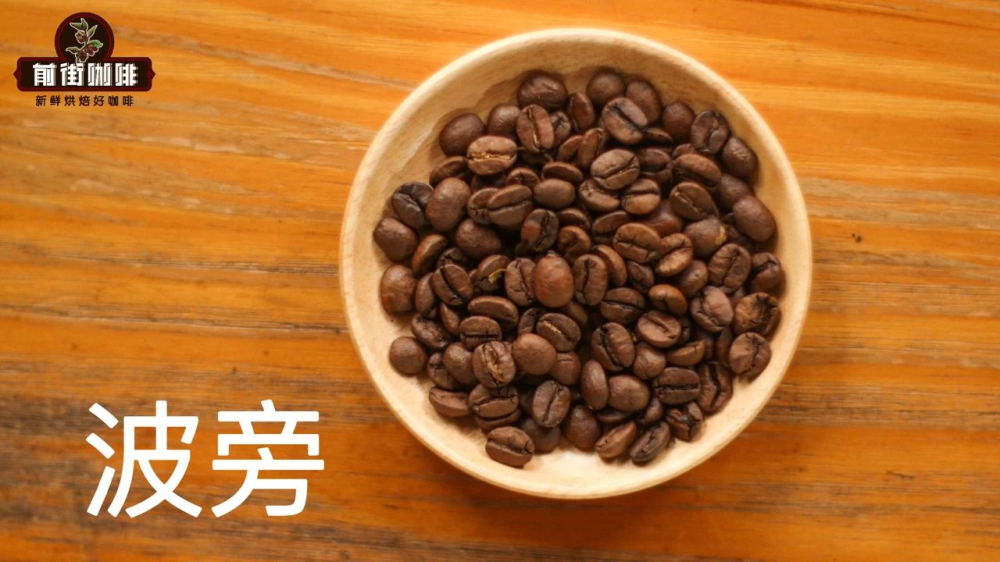 In terms of flavor profile, the Bourbon variety is generally celebrated for its rich nuttiness and pronounced sweetness, which are among the reasons it is highly favored in the specialty coffee market. Taking real-world examples from Brazil, the Yellow Bourbon produced by Fazenda Rainha in the Mogiana region often undergoes natural processing, showcasing intense nutty aromas and a buttery-smooth mouthfeel. Meanwhile, the Red Bourbon from the Sul de Minas region is mostly processed using semi-washed methods, delivering a strong foundation of nuts and chocolate, with a finish often accompanied by gentle caramel sweetness. These characteristics make Bourbon coffee a top choice for many pour over enthusiasts.
To brew the classic flavors of Bourbon at home, it is recommended to practice with a medium-dark roasted Brazilian coffee from Fazenda Rainha. This roast level highlights its rich chocolate tones while preserving moderate sweetness and complexity. For equipment, a KONO dripper with a slower flow rate is recommended. Its unique structure reduces air turbulence, aiding in full extraction of aromatic compounds to create a smoother mouthfeel.
The specific parameters are suggested as follows: use 15 grams of coffee grounds, with a 1:15 coffee-to-water ratio, aiming to extract about 200 millilitersof coffee, suitable for 1 to 2 people. The grind size is recommended to be medium (approximately 70% passing through a Chinese standard 20-mesh sieve), to avoid over-extraction and unwanted woody flavors. Water temperature should be controlled at 87–88°C, which helps balance the caramelized flavors of medium-dark roasts and avoid excessive bitterness.
 In practice, begin with a 30-second bloom using hot water twice the weight of the coffee grounds (about 30 milliliters) to activate aroma release. Then, pour water in a slow, circular motion from the center outward. When the total water volume reaches 125 grams , perform the first pour break. Once the coffee bed settles slightly, continue pouring with the same fine stream until reaching 225 grams, allowing the dripping to finish completely. The entire process takes approximately 2 minutes. This method not only enhances extraction uniformity but also makes the layered flavors of Bourbon more distinct.
The resulting coffee will exude pleasant aromas of lemon, nuts, and peanuts. Upon tasting, you’ll perceive a robust nutty base complemented by sweet afternotes of dark chocolate and caramel, all wrapped in a silky-smooth mouthfeel—making it a classic choice for experiencing the charm of the Bourbon family.
The above content is compiled by CoffeeHunters, a coffee news website.


