







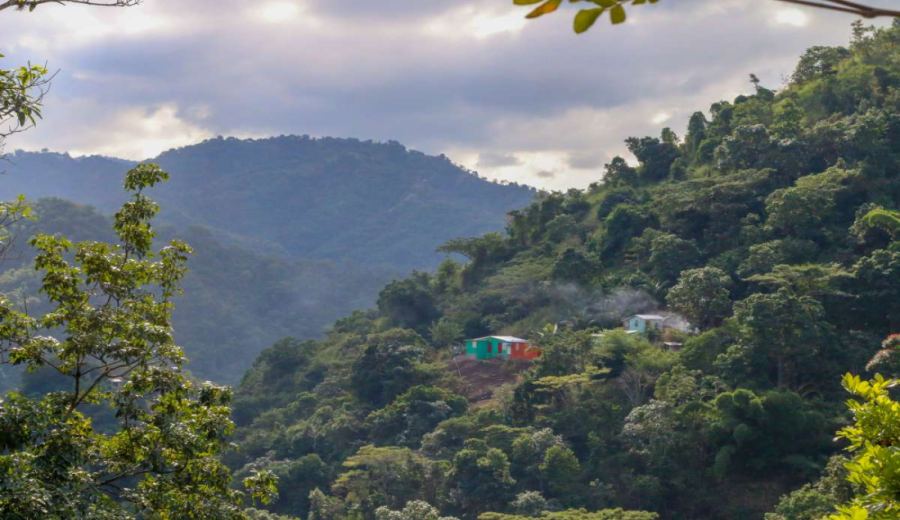
Introduction:Jamaica Blue Mountain coffee is renowned for its rarity and high quality, but counterfeit products abound on the market. Without caution, you might end up paying a premium for fake beans. This article begins with how to identify authentic Blue Mountain coffee beans, covering key authentication points such as origin certification, wooden barrel packaging, and official certificates. It then delves into optimal pour over parameters, grind size, water temperature, and brewing steps, while also exploring how water source and freshness impact flavor. By the end, you’ll master the essential techniques for unlocking the nutty, chocolatey, and creamy layered flavors of Blue Mountain coffee.
Jamaica Blue Mountain coffee is hailed as one of the world’s top-tier coffees, not only because of its unique flavor profile but also due to its limited production and high price. However, the market is flooded with various imitations under the “Blue Mountain” label—from so-called “Blue Mountain flavor” to “Blue Mountain blends”—making it difficult for consumers to discern the real deal. To truly experience the charm of authentic Blue Mountain coffee, the first step is learning how to distinguish genuine beans from fakes.
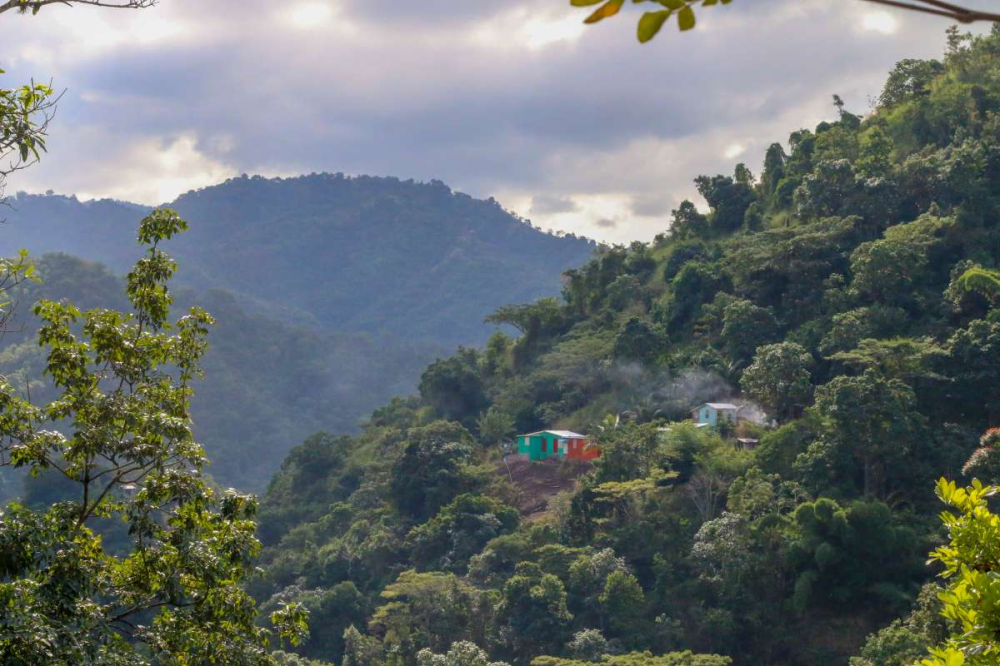
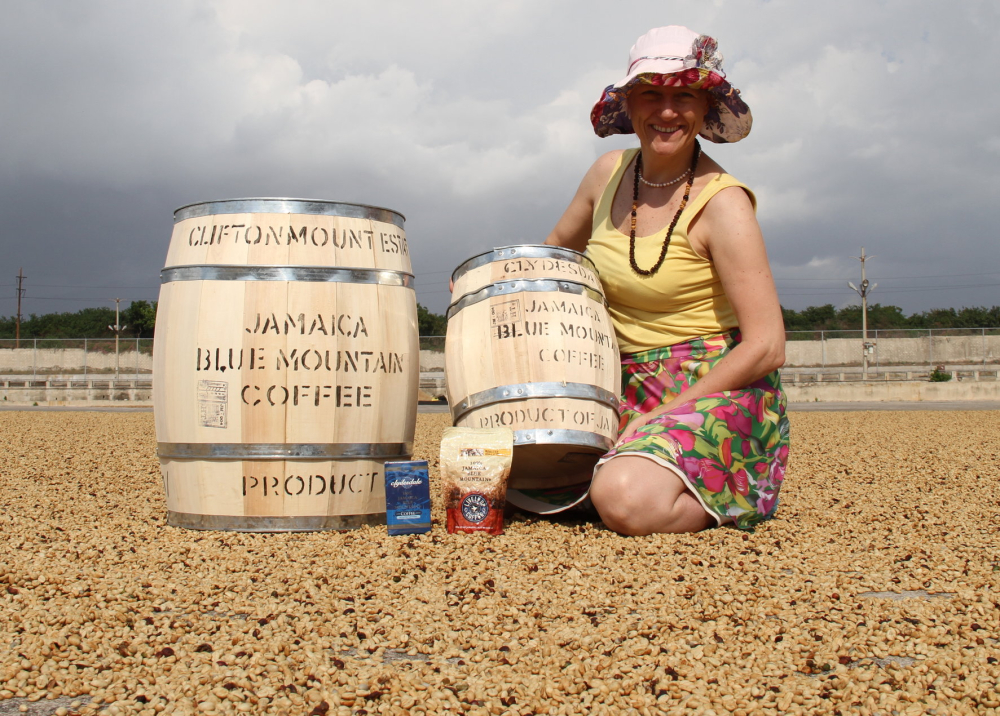
True coffee beans from the Jamaica Blue Mountain growing region must be cultivated at altitudes above 910 meters (approximately 3,000 feet) and are considered single-origin beans. These beans are exported in exclusive wooden barrels, commonly available in 15 kg, 30 kg, and 70 kg sizes. Therefore, if a seller cannot show the original wooden barrel or relevant certification, there’s a high chance the product is fake. Additionally, some vendors may provide official certificates for Blue Mountain coffee as further verification of authenticity.
In terms of pricing, Jamaica Blue Mountain coffee varies widely in the market, ranging from over 100 yuan to more than 500 yuan per 100 grams, leaving many consumers puzzled. In reality, as long as the seller can provide genuine certificates, wooden barrel sourcing, and traceable import records, these prices may all fall within a reasonable range. It is recommended that buyers research the import prices of Blue Mountain green beans beforehand to conduct a basic cost assessment and avoid being lured by low prices into buying inferior counterfeits.
Next, let’s discuss how to fully showcase the delicate flavors of Blue Mountain coffee through pour over brewing. The key to brewing excellent Blue Mountain coffee lies in having “good beans, good water, and correct parameters” all in place. First and foremost, the freshness of the beans is crucial. It is recommended to choose beans roasted within 5 days, when the flavors are most vibrant. Generally, the degassing period for coffee beans is about 4 to 7 days, so the moment you receive them is often when their flavors are at their peak.
As for brewing water, if you don’t want to delve deeply into water chemistry formulas, you can simply opt for commercially available mineral water, such as Nongfu Spring, which has stable quality and is suitable for pour over. Moreover, the combination of water temperature and grind size is extremely critical and will directly affect the extraction results and flavor expression.
Here is a set of tested parameters ideal for Jamaica Blue Mountain coffee beans: use 15 grams of coffee grounds, with a coffee-to-water ratio of 1:15, water temperature controlled at 87°C, and a grind size recommended to be coarse—approximately 75% extraction through a #20 sieve. This combination balances the extraction of Blue Mountain coffee’s subtle acidity and sweetness along with its rich body.
For pour over, it is recommended to use a three-stage pouring method with a Kono filter. First, pour about 30 ml of hot water for the bloom, letting it sit for around 30 seconds to awaken the coffee grounds. Then, in the second stage, pour slowly in small streams from the center outward in circles, adding about 100 ml of hot water. When the water level gradually drops to just about to expose the coffee bed, proceed to the third stage. Again using small circular pours, add approximately 95 ml. Keep the total brew time around 2 minutes to achieve a cup of Jamaica Blue Mountain coffee with distinct layers and a smooth mouthfeel.
As for the flavor profile of Blue Mountain coffee, it demonstrates an exceptionally balanced acidity, sweetness, and bitterness. The first sip brings prominent nutty aromas, followed by a soft chocolatey note in the mid-palate, and a creamy, velvety finish. The overall profile is delicate and layered, making it a dream coffee for many enthusiasts.
In summary, enjoying a true cup of Jamaica Blue Mountain coffee requires not only ensuring the authenticity of the bean source but also using the correct brewing method to fully unlock its unique flavor potential. From identifying the genuine product, selecting appropriate brewing parameters, to paying attention to water quality and bean freshness—each step matters. We hope this guide helps you gain deeper insight into Blue Mountain coffee and allows you to fully appreciate this Caribbean highland coffee artistry during your pour over experience.
The above content is compiled by CoffeeHunters, a coffee news website.


