







Introduction:Yirgacheffe is one of Ethiopia’s most iconic specialty coffee regions, renowned for its bright acidity and floral notes. This article begins with the region's geographical location and historical background, analyzes the differences between the two main processing methods—washed and natural—and details its typical flavor profile. It is suitable for beginners to understand the characteristics of Yirgacheffe coffee and can also help advanced enthusiasts choose the right beans based on brewing methods.
Yirgacheffe is not just a small town in Ethiopia, but has long been a benchmark region in the global specialty coffee market. The coffee produced here is known for its elegant floral aromas, refreshing citrus acidity, and tea-like aftertaste, making it highly favored by handbrew coffee lovers around the world.
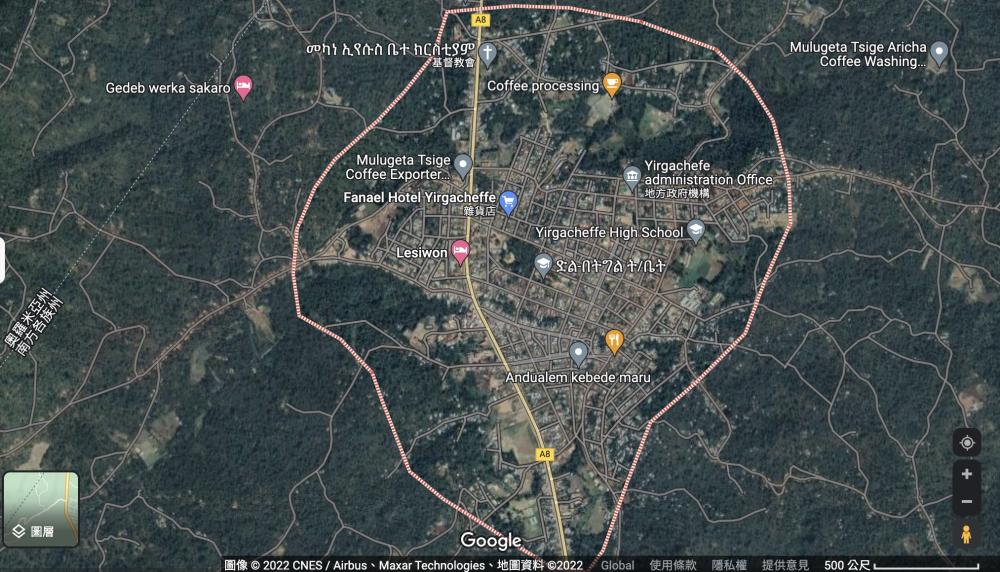
Geographically, Yirgacheffe is located in the Southern Nations, Nationalities, and Peoples' Region of Ethiopia, situated at an altitude of approximately 1700 to 2100 meters above sea level. It borders the renowned Sidamo region to the north and southwest, and is close to the Guji region to the southeast. The area enjoys a cool and foggy climate, coupled with fertile soil, which contributes to the unique flavor characteristics of Yirgacheffe coffee. In fact, due to its highly representative flavors, the Ethiopian government later incorporated nearby villages and smaller regions with similar flavor profiles into the "Yirgacheffe" designation, making it an independent specialty coffee region separate from its original classification under Sidamo.
Coffee cultivation in Yirgacheffe is mostly carried out by smallholder farmers, with many coffee trees planted around farmers’ homes or intercropped with other crops. Although yields are relatively low, this practice maintains a high level of biodiversity. Since Ethiopia is considered the birthplace of Arabica coffee, the region has a large number of natural varieties that have not been fully classified, commonly referred to as "Ethiopian Heirloom." These varieties have not undergone commercial breeding and are mostly cultivated through generations of oral tradition among farmers. As a result, each batch of Yirgacheffe coffee may carry subtle differences, which is also one of the reasons for its captivating flavors.
In terms of processing methods, Yirgacheffe coffee is mainly divided into washed and natural (sun-dried) categories, both of which have distinctly different effects on the final flavor. Washed processing highlights the coffee’s bright acidity and clean taste, while natural processing enhances sweetness, fruity notes, and body.
The washed processing procedure typically involves removing unripe cherries through floatation, then stripping the fruit’s skin and pulp, followed by fermentation to remove the mucilage, and finally washing and evenly spreading the beans on African beds to dry until the moisture content reaches the desired standard. This process requires strict control of water quality, temperature, and time, with drying usually taking about 10 to 14 days. Washed Yirgacheffe often exhibits notes of lemon, citrus, berries, and tea, with bright acidity and a clean mouthfeel, making it suitable for those who prefer lighter-bodied flavors. For example, a certain brand’s washed beans showcase elegant jasmine floral notes and berry tones, with a honey-like sweetness in the aftertaste.
In contrast, the natural processing method involves drying the coffee cherries directly on raised beds after harvest. During this period, the cherries need to be turned evenly and the temperature controlled to prevent mold or over-fermentation. This process usually lasts more than 20 days, allowing the sugars in the fruit pulp to fully penetrate the seeds. Natural Yirgacheffe often has more intense fruity aromas, such as citrus, berries, honey, and even a creamy smooth mouthfeel. For instance, the "Red Cherry" natural beans from the Aletan Washing Station exhibit rich tropical fruit aromas, with a pronounced sweetness upon entry, while retaining a clear citrus note and gentle body.
The flavor profile of Yirgacheffe coffee can vary depending on processing method, altitude, microclimate, and roasting strategy. Generally speaking, washed Yirgacheffe often presents citrus, lemon, passionfruit, berry, and tea aromas in cupping, with vibrant acidity, a clean mouthfeel, and a slightly sweet, floral aftertaste. In contrast, natural-processed Yirgacheffe tends to display more intense fruitiness, sweetness, and body, sometimes accompanied by honey-like or creamy smoothness.
For coffee enthusiasts looking to try Yirgacheffe, it is recommended to choose the processing method based on personal taste preferences: if you prefer bright, lively acidity, washed beans are a good choice; if you enjoy sweet, fruity, and full-bodied flavors, natural beans will be a better option. Additionally, it is advised to use medium-light roasted beans and pair them with a pour over method to better highlight their delicate flavor layers. Recommended pour over parameters include a brew ratio of 1:15~1:16, water temperature of 90~92°C, grind size between medium-fine to fine (similar to fine sugar to white sugar), and using a pulsed pouring technique to preserve more floral, fruity, and acidic notes.
In summary, Yirgacheffe is not only a symbol of Ethiopia’s specialty coffee but also an important window for global coffee lovers to explore the charm of native varieties and the impact of processing methods. Whether you’re a beginner just starting out or an advanced enthusiast seeking everyday high-value beans, gaining a deeper understanding of Yirgacheffe’s regional background, processing techniques, and flavor characteristics can help you make more precise choices and enjoy the unique flavors from the Ethiopian highlands in every cup.
The above content is compiled by CoffeeHunters, a coffee news website.


