







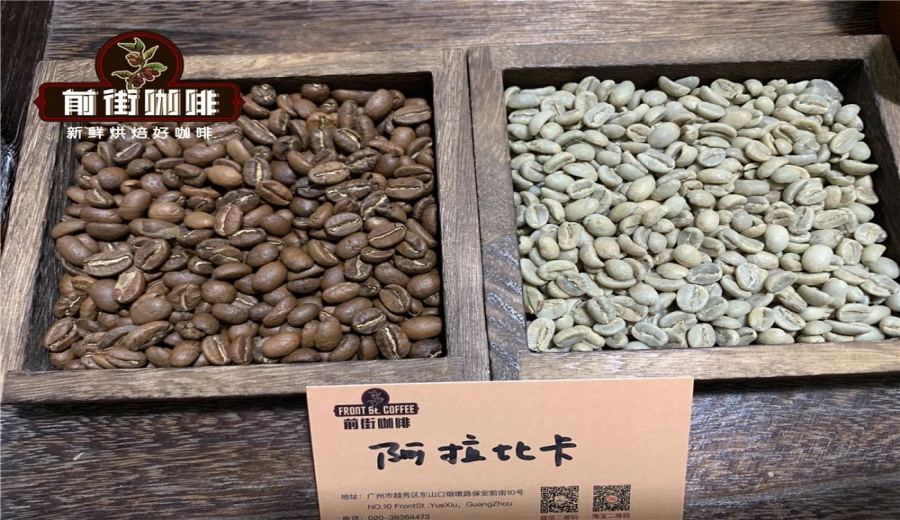
Introduction:Many coffee enthusiasts are familiar with the term "Arabica beans," but may not fully understand the unique characteristics of its varieties or the contexts in which it performs best. This article delves into the origins, growing conditions, and flavor profiles of Arabica coffee beans, while also clarifying the differences between single-origin and specialty coffee. Additionally, it offers practical brewing suggestions for high-quality single-origin beans—including popular methods like pour over and French press—and recommends several beginner-friendly options from renowned producing regions to help you find your ideal coffee experience.
On coffee product packaging or café menus, the phrase "100% pure Arabica coffee beans" is almost a standard label. But what exactly is Arabica? How does it differ from other types of coffee beans? This article explores various aspects such as growing environments, varietal characteristics, and flavor expressions to help you fully understand this widely used coffee bean. It also clarifies the connection and differences between single-origin and specialty coffee, and provides practical brewing solutions and recommended choices for high-quality single-origin beans.
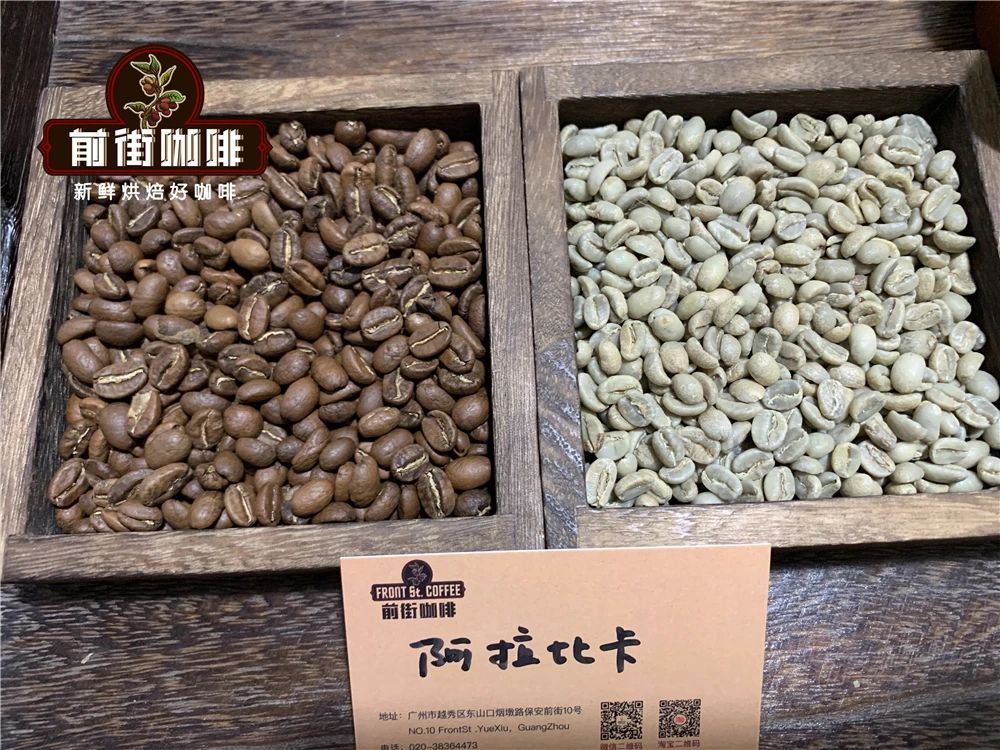
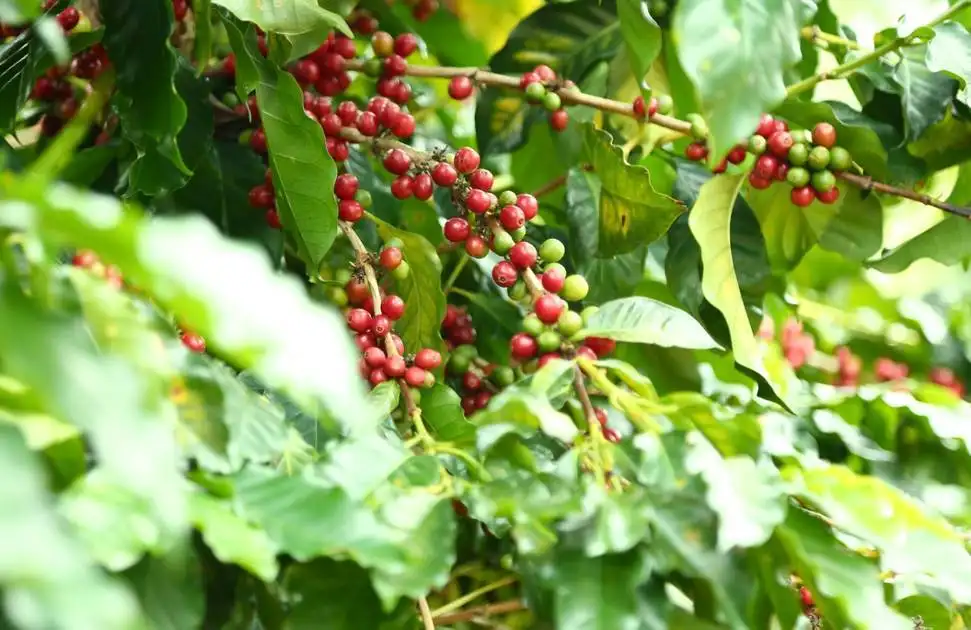
Arabica coffee beans are one of the two primary commercial coffee species in the world, alongside Robusta. However, not only does Arabica account for a larger share—approximately 70% to 75% of global coffee production—but its origin can be traced back to the birthplace of coffee: Ethiopia. This coffee plant is extremely particular about its environment, typically requiring cultivation at elevations between 800 and 2,200 meters above sea level and must be grown in areas free from frost threats. The high altitude brings significant day-night temperature variations, slowing the ripening process of the coffee cherries and allowing them to accumulate richer flavor compounds, ultimately resulting in more delicate aromas and tastes.
From a chemical composition perspective, Arabica beans contain a lower caffeine content, approximately 0.9% to 1.2%, compared to Robusta. However, they have relatively higher levels of fat and sugar—about 60% more fat and nearly twice the sugar content. These factors contribute to Arabica’s generally smoother mouthfeel, bright acidity, and fruity notes, resulting in a more complex overall flavor profile. As a result, it is widely used in various brewing methods such as pour over, espresso, and cold brew, making it the main bean variety in most cafés.
When it comes to specialty coffee and single-origin coffee, these two terms are often used interchangeably, but they actually have distinct definitions. Specialty coffee was first proposed by Erna Knutsen in 1974 and refers to coffee beans grown in specific climates and geographical environments that exhibit unique flavor characteristics. As the market has matured, specialty coffee has adopted more rigorous grading and evaluation systems, emphasizing traceability and flavor expression, and is typically roasted to light or medium levels to preserve its original flavor traits.
Single-origin coffee, on the other hand, refers to coffee beans sourced from a single producing region. This region can be a country, an area, a cooperative, or even an individual estate or farm. As long as a batch of coffee beans comes from the same origin and the same harvest season, it can be classified as single-origin coffee. Single-origin coffee typically highlights the unique terroir of its region, and is therefore often brewed using the pour over method to showcase its distinctive regional flavors. However, single-origin coffee is not necessarily specialty coffee—it emphasizes the singularity of its source rather than quality per se.
For coffee lovers who are new to specialty coffee, choosing a high-value everyday bean from a well-known producing region is a great way to start. For example, washed Yirgacheffe from Ethiopia offers bright citrus and floral notes; Huehuetenango from Guatemala presents nutty and chocolatey foundations with moderate spice; Colombian Huila is characterized by balanced berry and caramel aromas; and Brazilian Cerrado showcases low acidity and a full-bodied mouthfeel, ideal for those who prefer stronger flavors. Others such as Costa Rica Tarrazú, Indonesia Mandheling from Lintong, and China Yunnan Baoshan also each possess clear and easily recognizable flavor profiles.
These everyday beans are generally well-suited for common home brewing tools like pour over, cold brew, and French press—not only are they easy to use, but they also fully highlight the beans’ original flavors. If you want to experience the most authentic taste of coffee, it’s recommended to enjoy it as black coffee to avoid additional ingredients masking its subtle nuances. Moreover, regardless of the brewing method used, the freshness of the coffee beans is crucial. It is advisable to choose freshly roasted beans shipped within five days post-roast to achieve the best flavor performance. Generally speaking, after two months post-roast, the aroma and vibrancy of the beans will noticeably decline, affecting the final extraction results.
The above content is compiled by CoffeeHunters, a coffee news website.


