








Introduction:The charm of pour over coffee lies not only in its diverse flavors but also in the variety of brewing techniques. Mastering different pouring methods can guide the balance and layers of acidity, sweetness, and bitterness. This article delves into six classic pour over methods: single pour, three-part, 4:6, variable temperature brewing, volcano pour, and stirring method. From operational logic, coffee-to-water ratio, time control to flavor characteristics, we comprehensively break down the essence and practical essentials of each technique to help you find your ideal brewing style.
The allure of pour over coffee stems not just from the combination of equipment and bean varieties, but also from how pouring techniques profoundly influence flavor. The same coffee beans, when brewed using different methods, often present drastically different acidity-to-sweetness ratios and mouthfeel structures. This article will systematically introduce six widely used pour over extraction techniques, including single pour, three-part, 4:6, three-temperature variable brewing, volcano pour, and stirring method. From parameter settings, step-by-step operations to flavor profiles, it takes you deep into the uniqueness of each method and provides practical advice to help you adjust strategies based on bean characteristics and taste preferences.
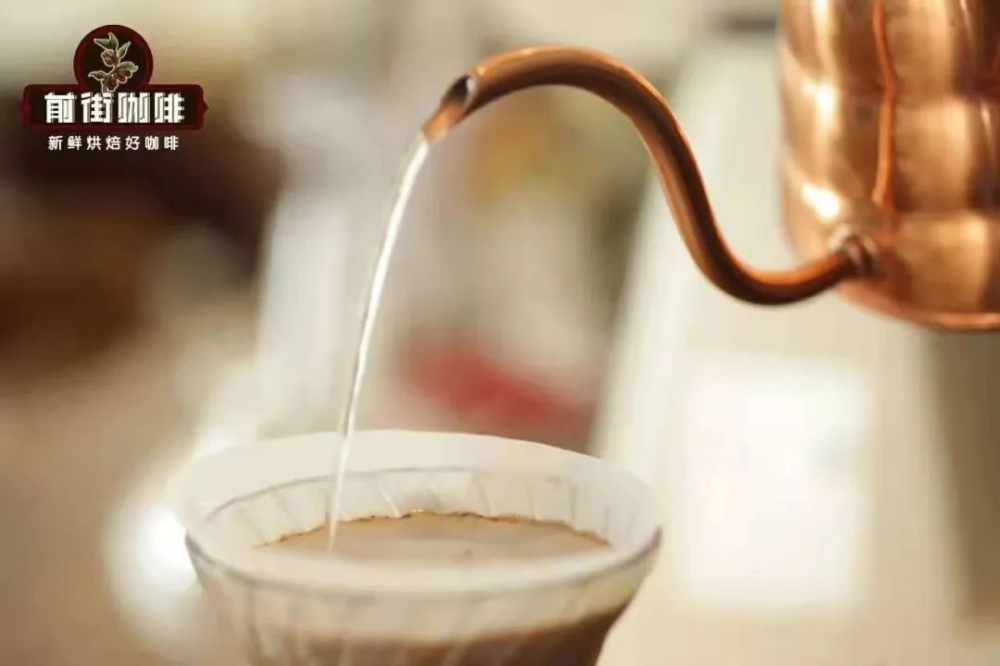
The world of pour over coffee is full of possibilities. Different techniques are like a set of tools, adding flexibility to the extraction process. The six methods introduced below each have clear operational logic and flavor characteristics, offering inspiration and direction whether you’re a beginner or an advanced enthusiast.
I. Single Pour: A Simple and Efficient Two-Stage Extraction
Single pour does not mean pouring all the water at once, but rather precisely dividing it into two stages: first, a small amount of bloom water is poured, followed by pouring the remaining water in one go. Though seemingly simple, this technique is favored by many coffee lovers for its clear logic and ease of use. Its name is inspired by the Japanese kendo concept of “a single clean cut,” symbolizing the decisive moment in the pour.
Taking15 grams of coffee grounds with 225 ml of wateras an example, typically30 mlis first poured for blooming, followed by a single pour of195 mlto complete the extraction, taking about 2 minutes in total. This method effectively controls the release of later-stage compounds, avoiding over-extraction and delivering a clean and well-layered flavor profile, making it suitable for those seeking stability and a clean cup.
II. Three-Part: A Classic Layered, Segmented Extraction
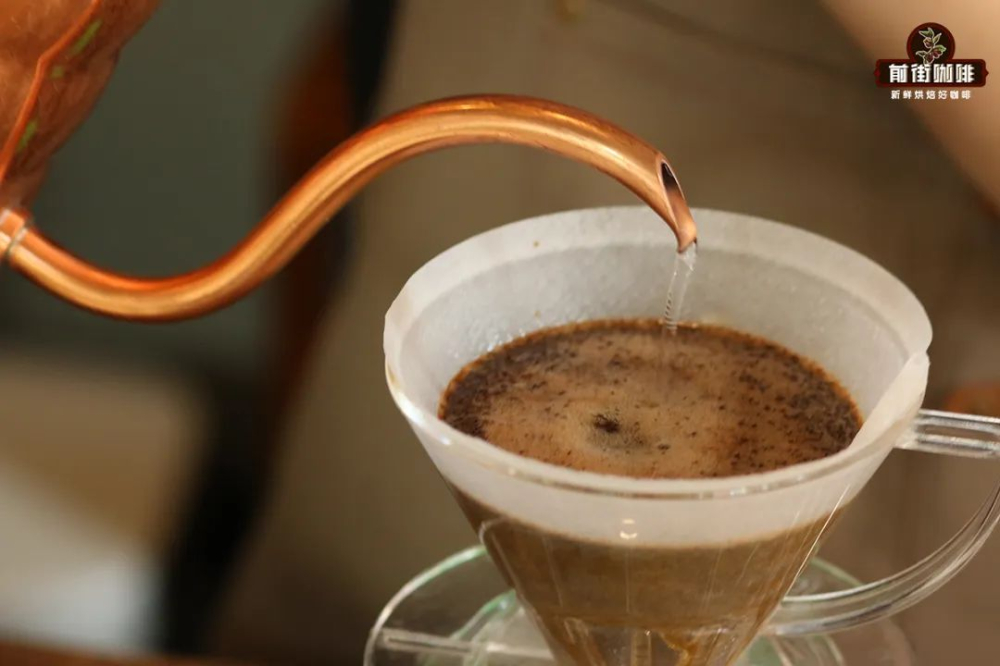
The three-part method is widely used by many professional shops and coffee enthusiasts. Its core lies in gradually releasing different flavor compounds in coffee—typically acidity, sweetness, and bitterness—at varying dissolution rates through segmented pouring. This progressive extraction helps balance overall flavors and enhances layering.
Again, using15 grams of grounds and 225 ml of wateras an example, the three-part method is usually divided into a bloom of30 ml, the first segment of95 ml, and the second segment of100 ml. As the number of pours increases, the frequency of agitation to the coffee bed rises, extending the overall extraction time, which aids in more fully extracting aromatic compounds. This method is ideal for those wishing to explore the complexity of coffee in depth.
III. 4:6 Method: A Stable and Simple Mass-Approach Solution
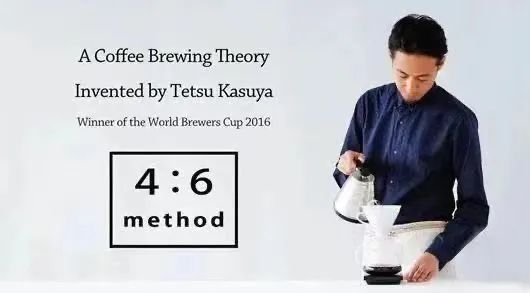
The 4:6 method was proposed by Japanese barista Tetsu Kasuya, promoting the idea that “anyone can easily brew great coffee.” This technique divides the total water volume into two phases: the first 40% mainly influences flavor direction, focusing on balancing acidity and sweetness, while the latter 60% shapes the body’s richness and fullness.
Common parameters include20 grams of coffee with 300 ml of water, divided into five equal pours of60 mleach, with stable timing intervals. Due to the longer extraction time, failure to adjust grind size may lead to over-extraction. It’s recommended to grind slightly coarser, such as passing through a20-mesh sieve with 50% retention, to achieve a more desirable rich texture while minimizing unwanted sediment.
IV. Three-Temperature Brewing Method: Flavor Control via Variable Temperature
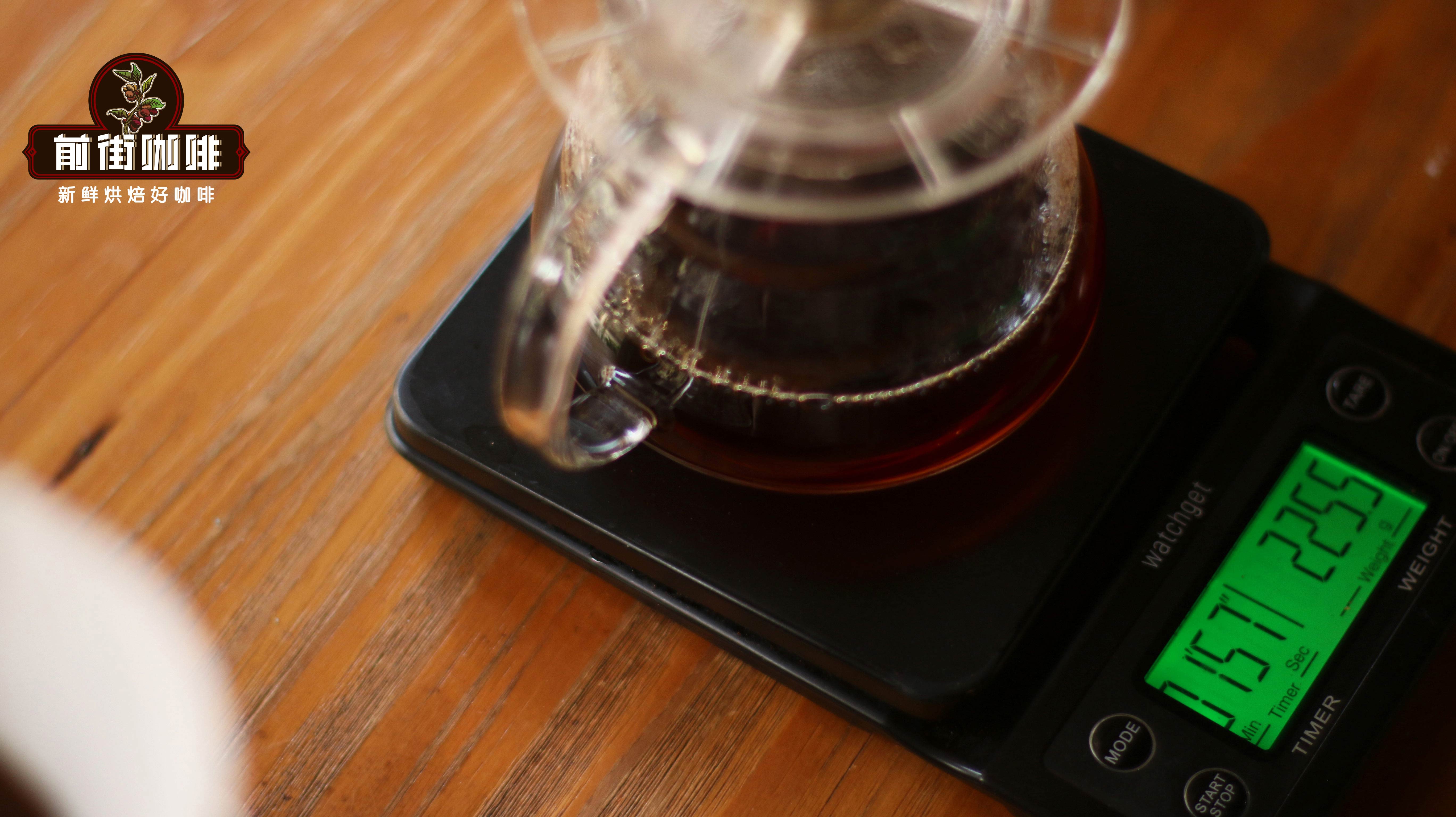
The three-temperature method is a type of variable temperature brewing, promoted by barista Wu Zelin. Its hallmark is the use of different water temperatures in segments to precisely control the rhythm of flavor release. A typical approach is using16 grams of coffeewith240 ml of water, poured in four stages with temperatures of94°C, 94°C, 90°C, and 80°C, gradually decreasing to reduce over-extraction risk.
This technique uses high temperature to extract early-stage acidity and sweetness, then finishes with lower temperatures to avoid prolonged heat that could bring out bitterness. However, due to the need for repeated testing and adjusting of water temperatures, it poses a certain challenge for beginners. Once mastered, it can yield a coffee experience with vivid flavors and delicate layers.
V. Volcano Pour: A Visual and Tasting Technique Tailored for Dark Roasts
Originating in Japan, the volcano pour is famed for its unique visual effect and suitability for dark roasted beans. When CO₂ and fine particles in the coffee grounds interact, pouring creates a volcano-like bump—hence the name. This technique recommends using30 grams of coffeewith300 ml of water(a 1:10 coffee-to-water ratio), paired with a fan-shaped filter cone, and a 30-second bloom at a1:1 coffee-to-water ratio, followed by small, gentle pours repeatedly at the center.
The volcano pour isn’t just highly visual—it also extracts the rich sweetness and full body characteristic of dark roasts through precise pouring control, all while minimizing bitterness. It’s a must-try technique for dark roast aficionados.
VI. Stirring Method: A Professional Approach to Enhancing Uniform Extraction
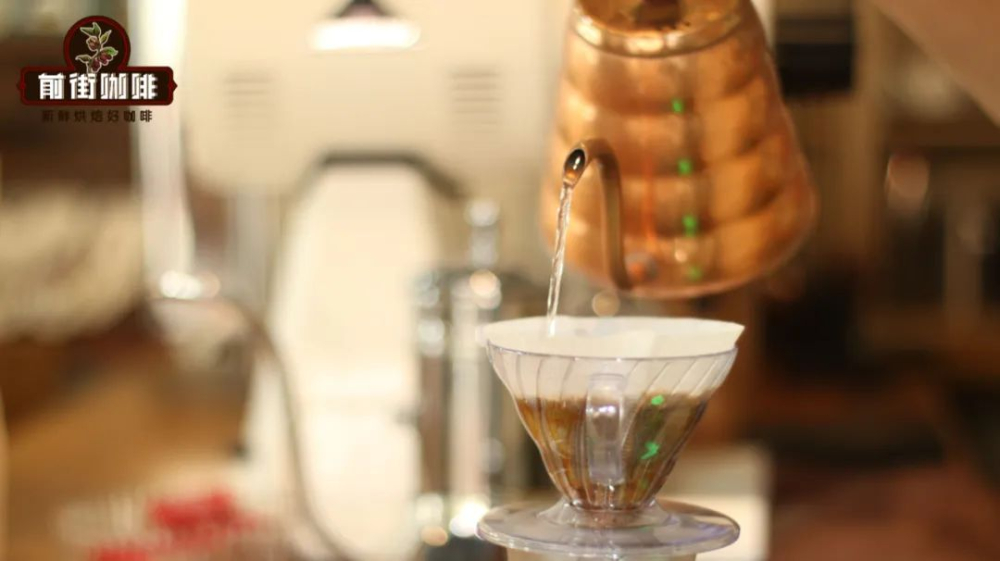
The stirring method, promoted by World Brewers Cup champion Matt Perger, centers on physically stirring the coffee grounds to promote uniform absorption of water and flavor release. A typical operation involves rapidly stirring up and down and side to side with a stick during the bloom phase to ensure all grounds are fully saturated, preventing under-extraction from the bottom layer.
However, this technique carries higher operational barriers due to risks of fine particle displacement and filter clogging. The intensity, number, and direction of stirring must be adjusted according to bean type and grind size. It’s advisable to fully understand the principles before trying it to avoid affecting overall extraction balance.
In summary, though these pour over methods differ significantly in execution, their core revolves around controlling the release rhythm and balance of flavor compounds. Understanding the extraction sequence and influencing factors of acidity, sweetness, and bitterness will help you flexibly choose the most suitable technique based on bean characteristics and personal taste, further elevating the quality and enjoyment of your pour over coffee.
The above content is compiled by CoffeeHunters, a coffee news website.


