








Introduction:Cold brew coffee excels in slow extraction at low temperatures, fully showcasing the fruitiness and body of the coffee, yet it can often develop bitterness due to improper brewing. This article delves into the flavor characteristics of cold brew, explores the sources of bitterness, and provides a professional-grade golden ratio and step-by-step guide. Learn to avoid common pitfalls—whether using light or dark roast beans, you can brew a clean and smooth cup of cold brew.
Cold brew is extracted through prolonged soaking in cold water, effectively reducing the release of bitter substances while preserving the acidity, sweetness, and body of the coffee. Compared to traditional hot brewing, this low-temperature extraction method better highlights fruity notes and delicate aromas, making the overall coffee profile more “clean.” However, improper handling can easily lead to over-extraction, bitterness, or even an undrinkable result.
The occasional noticeable bitterness in cold brew is often closely related to the roast level of the coffee beans used. Generally speaking, dark roast beans, due to more pronounced caramelization reactions and higher oil content, tend to release heavier bitterness and smoky notes. Additionally, if the steeping time is too long, even light roast beans can become overly extracted, turning what would have been pleasant flavors into astringent ones.
To address common issues of bitterness and astringency, if you're using dark roast beans, it’s recommended to moderately reduce the concentration or adjust the ratio by adding cold water or ice cubes, which can effectively alleviate an overly heavy taste. If you’re using light roast beans, pay special attention to the steeping time, ideally keeping it within 8 to 12 hours . Over-steeping can easily cause an imbalance in flavor compounds, releasing undesirable off-notes.
To brew a cup of cold brew with balanced flavors, bean selection is key. It’s recommended to choose medium-light to medium roast beans, which typically exhibit prominent fruity notes, berry tones, or even wine-like and fermented flavors that complement the cold brew extraction process well. For example, beans with raisin-like grape aroma, blends with mixed berry acidity, or coffees with whiskey-like notes are all great choices.
Additionally, the freshness of the coffee beans is extremely important. Roasted coffee beans usually require a 4 to 7-day resting periodafter roasting, allowing carbon dioxide to dissipate and flavors to stabilize, before reaching their optimal drinking window. It’s recommended to use beans roasted within five days to ensure the aroma and flavors are at their peak.
When actually making cold brew, no complicated equipment is needed—just a clean, airtight container will do. It’s suggested to use 40 grams of coffee groundswith 480 milliliters of cold water. The coffee grounds should be ground to a fine consistency (about 85% passing through a #20 sieve). After placing the grounds in the container, add cold water and stir evenly with a wooden stick or spoon to ensure all coffee particles are fully saturated. Then cover and refrigerate.
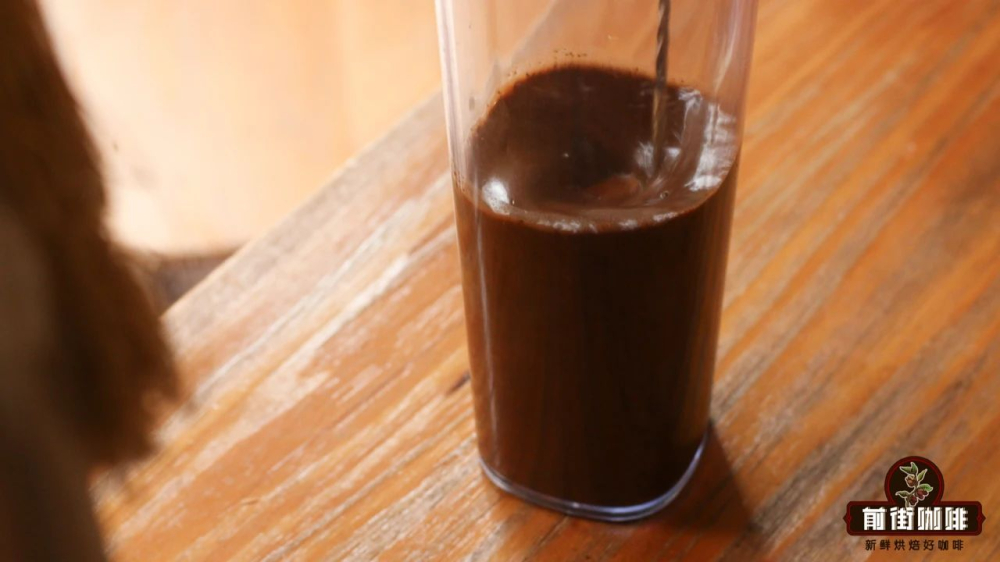
Let it sit for about 12 hours , then remove. It’s recommended to first filter out the coffee grounds before enjoying your freshly brewed cold brew. For enhanced flavor, you can transfer the filtered coffee liquid into a bottle and refrigerate it for another 4 hoursto allow the flavors to meld further, resulting in a smoother mouthfeel. This kind of cold brew not only has significantly reduced bitterness but also showcases the layers and nuances of the coffee itself, making it perfect for savoring slowly.
The above content is compiled by CoffeeHunters, a coffee news website.


