







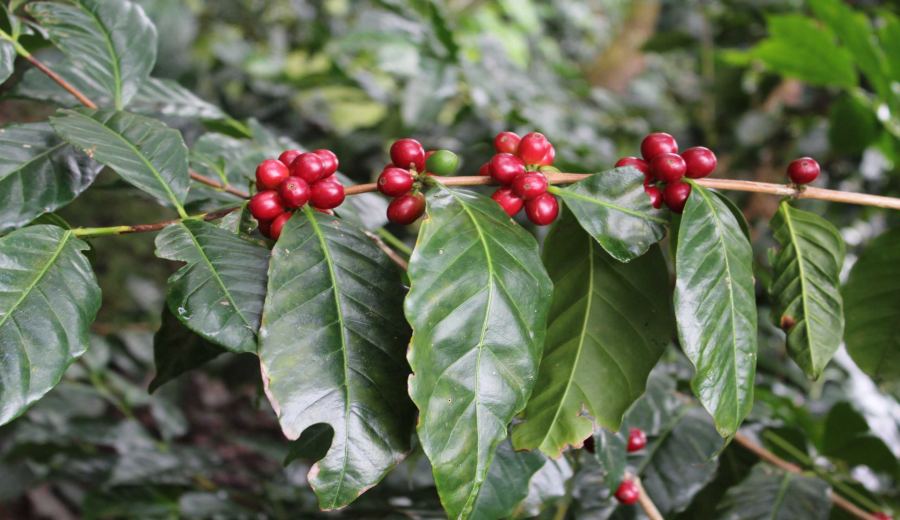
Introduction:Geisha (Geisha) coffee beans have become a star variety in the specialty coffee world thanks to their unique floral aroma and fruity acidity. From their origin in Ethiopia to their fame in Panama, how does this bean showcase diverse flavors across different growing regions? This article delves into the grading characteristics of Geisha, the flavor differences among its major producing areas, and offers practical pour over recommendations for medium-light to medium roasts—including grind size, water temperature, brew ratio, and a three-stage pouring method—to help you extract the delicate layers of Geisha more precisely.
Geisha (Geisha) is one of the most celebrated varieties in the specialty coffee world. It was first discovered in 1931 in the Gesha Forest of Ethiopia, and later made its way through Kenya to Uganda, Tanzania, and Costa Rica. This variety drew attention from research institutions due to its good resistance to leaf rust, but because of its relatively fragile branches, it was long used solely as breeding material under the code T2722.
It wasn’t until the 1970s that Geisha was officially introduced to Panama when the Hacienda La Esmeralda estate imported seeds from CATIE in Costa Rica. Initially planted in the high-altitude mountainous regions of the Boquete area, it did not immediately gain attention. However, after decades of adaptation to the local terroir, Geisha gradually evolved unique aromatic qualities, showcasing floral and fruity notes and delicate flavors that were rarely seen before.
In 2004, Hacienda La Esmeralda first submitted its own single-origin Geisha beans to participate in the Best of Panama (BOP) competition. The refreshing and extraordinary flavors impressed the judges, propelling it to instant fame. This success not only established Geisha as an iconic variety in specialty coffee but also shifted the market’s stereotype that coffee must be dark roasted—proving that light roasting can also bring out the ultimate levels of floral aroma, fruit acidity, and sweetness.
It’s important to note that not all Geisha beans can deliver high-level flavors. Factors such as growing altitude, microclimate, processing methods, and even roast level can significantly influence the final flavor profile. For example, Geisha from Costa Rica tends to have a milder acidity, often with nutty and caramel notes, so medium roasting is commonly used to highlight its richness and sweetness. In contrast, Geisha from Panama’s high-altitude regions, due to the cool climate and slower growth, often exhibits stronger floral, tropical fruit, and tea-like characteristics, making it suitable for medium-light roasting to preserve its delicate aromatic features.
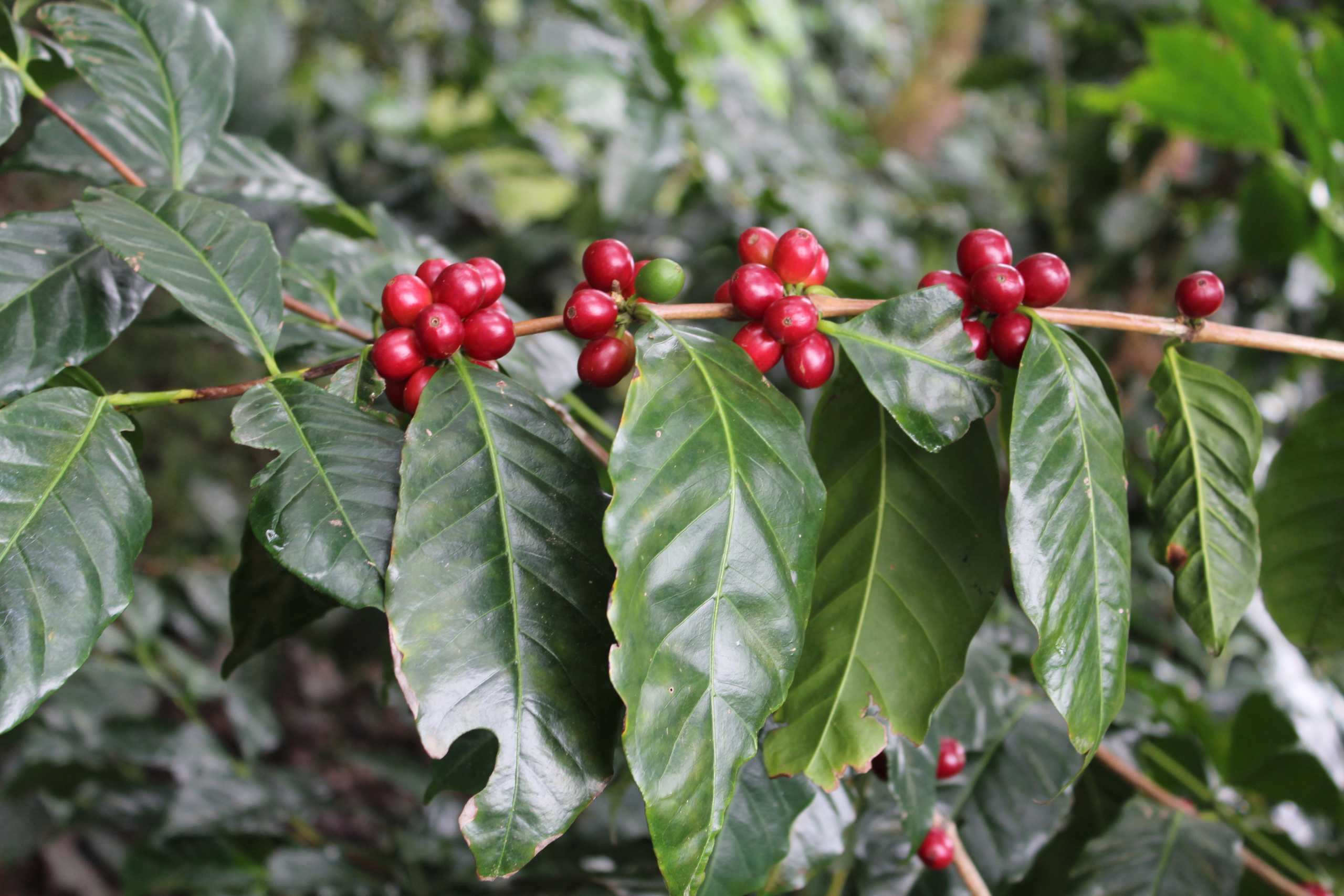
For medium-light to medium roasted Geisha, it is recommended to use a medium-fine grind size, similar to the coarseness of fine sugar (about 75–80% passing rate through a Chinese No. 20 standard sieve), to allow for sufficient extraction without excessive bitterness. The water temperature should be controlled at 90–91°C, which helps balance acidity and sweetness while avoiding over-extraction or off-flavors caused by too high a temperature.
In terms of brew ratio,1:15 a battle-tested and stable starting point is 15 grams of coffee grounds to 225 grams of water, which can showcase the rich aromas and layered complexity of Geisha. A V60 #01 filter cone is recommended, as its flow rate design helps highlight clear floral and fruity notes along with a crisp mouthfeel.
For the pour over technique, it is recommended to use the classic three-stage pouring method: First, at the start of timing, pour30 grams of waterand let it bloom for 30 seconds to initiate the release of aromas from the coffee grounds; then, at the 30-second mark, begin the second stage by pouring in a circular motion with a small stream of water up to125 grams. This stage mainly extracts the acidity and initial floral notes; when the liquid level in the filter drops to about two-thirds of the coffee bed, proceed to the third stage and steadily pour with a small stream up to225 gramsof total water. Finally, let it drip through to completion. The overall extraction time typically falls between2 minutes 10 seconds and 2 minutes 20 seconds, yielding a balanced and layered taste profile.
In summary, the charm of Geisha coffee beans lies in their diverse flavor potential—from fresh floral notes to ripe fruitiness, and finally to the tea-like finish and sweet aftertaste—all of which are truly memorable. By understanding its regional characteristics, choosing the appropriate roast level, and employing precise pour over techniques, every coffee enthusiast can fully appreciate the unique allure of this star bean.
The above content is compiled by CoffeeHunters, a coffee news website.


