








Introduction:Faced with the myriad of coffee bean options on the market, beginners often feel at a loss. This guide approaches the topic from three key perspectives: assessing freshness, matching flavor preferences, and evaluating cost-effectiveness, helping readers develop a systematic mindset for selecting beans. Master key techniques for judging roast dates and one-way degassing valves, understand how light and dark roasts affect acidity and bitterness, and choose the right beans based on your brewing equipment and budget — making it easy for you to find delicious coffee that suits your taste.
Choosing a coffee bean that matches your personal taste can be somewhat challenging for beginners. This article will guide you step-by-step in building a clear approach to bean selection from three essential dimensions — freshness, flavor preference, and cost-effectiveness — so that every brew can deliver the ideal flavor experience.
First, let’s talk about freshness, which is a critical factor affecting the flavor performance of coffee. When purchasing, be sure to look for products that clearly indicate theroast date(rather than the expiration date), and prioritize suppliers with a good reputation who focus on freshly roasted beans. Pay attention to whether the packaging is equipped with aone-way degassing valve— this small button-like hole commonly found on the top of the bag allows the carbon dioxide released by the coffee beans during maturation to escape naturally while preventing oxygen from entering and causing oxidation.

It’s especially important to note that although freshness is crucial for coffee beans, they are not necessarily better the newer they are. During the first two days after roasting, the internal gas release from the beans is still in an active phase, and the aroma has not yet stabilized. It is recommended to let the beans rest for2–3 daysbefore brewing, which helps achieve a more balanced flavor. Additionally, generally speaking, after around50 dayspost-roast, the aroma and flavor compounds of the coffee will noticeably decline, and even expensive beans may lose their intended characteristics. Therefore, it is best to enjoy them within a reasonable period of peak flavor.
Next, let’s explore how to select coffee based on your individual flavor preferences. The acidity and bitterness in coffee mainly come from the degree of roasting, and this is also a key indicator distinguishing light roast from dark roast. If you prefer a bright, fruity-acidic cup, light roast is usually the better choice, with common flavor descriptors including lemon, citrus, sweet orange, and even cherry tomato and black plum. On the other hand, if you’re drawn to rich, bold flavors with notes of caramel, spices, or chocolatey bitterness, dark roast beans are more likely to meet those expectations. If you’d like to avoid strong acidity or bitterness, you might also consider beans with prominent sweetness, such as those offering floral, grape, pineapple, or raisin-like profiles.
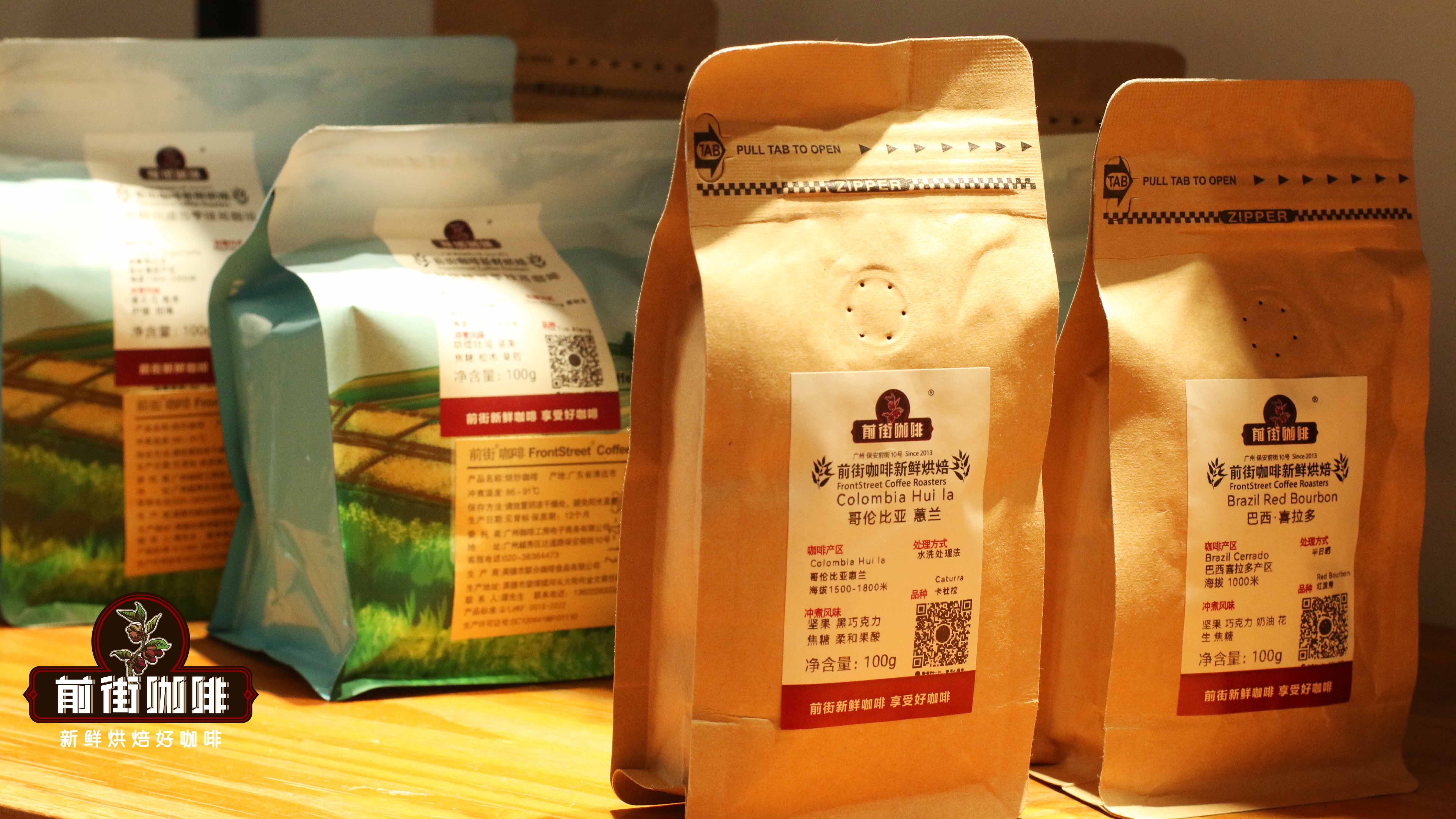
Finally, for those just starting out in the world of coffee, it is advisable to prioritize improving your choice of coffee beans over investing in expensive equipment right away. The grinder has a significant impact on extraction flavor, so it’s worth making a moderate investment here, while items like pour over kettles or filter cones can start with basic models. Pour over brewing typically uses single-origin beans, often sourced from specific growing regions, and commonly comes in half-pound packaging units. Different regions, varieties, processing methods, and roast levels can all significantly influence the final flavor outcome.
For beginners, it’s recommended to start with more beginner-friendly "everyday beans" (口糧豆), gradually building your understanding of flavor profiles across various regions through hands-on tasting. For example, those who enjoy bright acidity might try Yirgacheffe from Ethiopia; for softer, sweet-and-sour profiles, Costa Rica Tarrazu or Rwanda Red Bourbon are great options; if you prefer lower acidity, Yunnan small beans with their nutty and brown sugar tones are worth exploring; for those seeking nutty and chocolate notes, Brazil Cerrado or Colombia Huila are reliable choices; and for those desiring a full-bodied, low-acidity experience, Indonesia Mandheling offers a rich and mellow flavor. Through these starter selections, you’ll be better equipped to further explore the nuances among specific farms, varieties, and processing methods within each region in the future.
The above content is compiled by CoffeeHunters, a coffee news website.


