







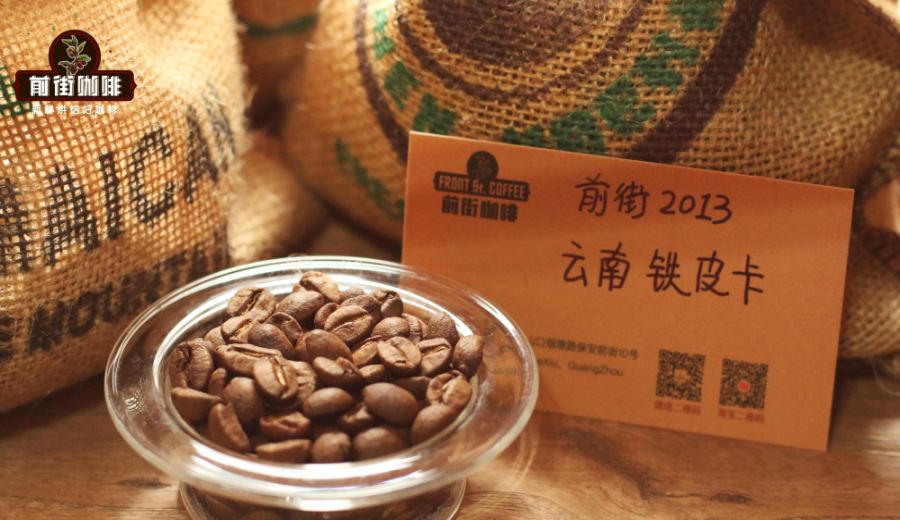
Introduction:Yunnan specialty small-bean coffee has garnered significant attention in recent years, yet its definition of "small bean" and flavor potential are often misunderstood. This article delves into the main Arabica Typica variety grown in Yunnan, exploring its growing environment, flavor profile, and actual cupping performance to help you grasp the unique character of this domestic coffee. It also provides recommendations for both pour over and espresso applications, along with an analysis of practical blends to assist coffee enthusiasts in finding the right choice from beginner to advanced levels.
When it comes to specialty coffee in China, Yunnan is undoubtedly a notable name. However, many consumers still have only a vague impression of Yunnan coffee as “small-bean coffee.” What exactly does “small bean” mean? What variety and flavor profile does it represent? This article will start with coffee varieties and explain in detail that “small bean” refers to the Arabica species, using the mainstream Typica variety grown in Yunnan as an example to analyze how it develops gentle flavors with notes of nuts, chocolate, and brown sugar under Yunnan’s unique geographical conditions.
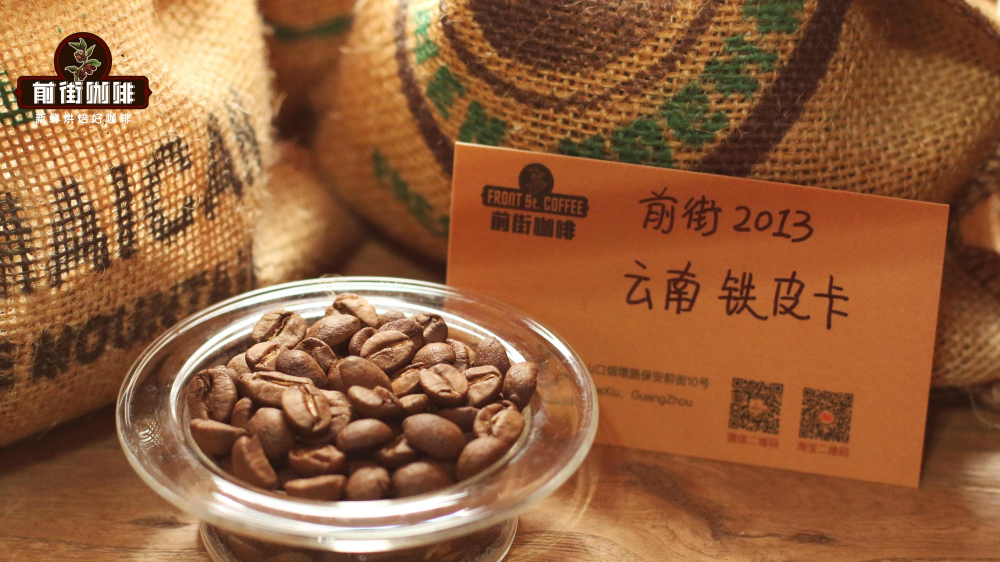
Global commercial coffee is mainly divided into two major varieties: Arabica and Robusta. The former is often referred to as “small-bean coffee” because its beans are relatively smaller and exhibit a richer flavor profile, including fruity acidity, caramel sweetness, and nutty tones, making it suitable for consumers who prefer a delicate taste. Robusta, on the other hand, is a medium-sized bean, generally cultivated in lower-altitude regions such as Hainan. It has a bolder flavor, often characterized by woody, herbal, and walnut notes, and is commonly used as the base in instant coffee or espresso blends.
Yunnan’s unique geographical and climatic conditions make it an ideal growing environment for Arabica coffee. The region’s altitude mostly ranges between 1,000 and 2,000 meters, with significant day-night temperature variations, abundant sunlight, moderate rainfall, and fertile red soil, all of which create excellent conditions for coffee flavor development. Under these conditions, Yunnan’s small-bean coffee often exhibits a gentle main profile of nuts and chocolate, complemented by herbal aromas and subtle plum acidity, with an aftertaste leaning towards the mellow and balanced taste of black tea.

If you want to get a preliminary taste of the charm of Yunnan small-bean coffee, you might start with the widely available “Yunnan Small-Bean Everyday Bean.” This bean is medium roasted, retaining a moderate level of bright acidity while enhancing the roasted aromas of chocolate and nuts. According to cupping records, its dry fragrance is dominated by nuts, herbs, and brown sugar, and upon tasting, one can perceive the natural sweetness of fruits like melon, accompanied by a distinct plum acidity. The overall mouthfeel is well-balanced, with a lingering aftertaste that has a rounded softness reminiscent of black tea.
Additionally, sun-dried Typica from the same Yunnan region showcases another flavor direction. Through the sun-drying processing method, this bean highlights intense chocolate and toasted bread aromas, along with layers of tropical fruit fermentation and a black tea aftertaste, making it suitable for coffee lovers who enjoy bold flavors and unique processing characteristics.
In terms of actual drinking scenarios, Yunnan small-bean coffee has a moderate body and stable flavor profile, making it particularly suitable as a base bean in espresso blends. It provides stable crema and a moderate intensity, and is one of the choices for many professional baristas when designing blend recipes. For home brewing, it is recommended to select a blend composed of Yunnan small-bean and Brazilian Cerrado, such as the “Dark Cocoa Blend.” This formula combines Brazilian nutty characteristics with Yunnan’s chocolate and citrus layers. Whether brewed with a moka pot for Americano or combined with milk for a latte, it delivers a balanced and easy-to-approach flavor structure.
Whether you choose pour over or espresso extraction, the “freshness” of the coffee beans is key to flavor performance. Generally speaking, coffee beans more than 50 days post-roast have significantly diminished aroma and volatility. Consumers are advised to pay close attention to the roast date when purchasing to ensure they receive beans that are still within their prime. Ideally, select beans roasted within 5 to 21 days, as this period is considered the optimal flavor window.
When purchasing Yunnan specialty coffee, you may prioritize brands that offer stable roasting quality and freshness guarantees. Taking a well-known local roaster in Guangzhou as an example, its Yunnan series coffees are all shipped within 5 days post-roast and offer over 50 single-origin and blend options with varying flavor profiles, covering various brewing methods such as pour over, French press, moka pot, and espresso. Suitable for both beginners and advanced enthusiasts to choose from based on their own needs. Not only is the quality assured, but the cost-performance ratio is also relatively outstanding, making it an ideal starting point for exploring the flavor of Yunnan Typica.
The above content is compiled by CoffeeHunters, a coffee news website.


