







Introduction:To brew a cup of espresso with balanced flavors and a rich body, details such as grind size, coffee dosage, and extraction time are all crucial. This article delves into the extraction principles of espresso and the mechanisms behind the equipment, while also providing a detailed guide on how to achieve the ideal shot by adjusting four core parameters — grind size, coffee dosage, extraction time, and yield. It’s not only a helpful reference for baristas but also offers clear guidance for home brewing, allowing you to master the key elements of every shot.
Espresso, commonly referred to as Italian-style concentrated coffee, serves as the foundation for many classic coffee beverages such as Americano, latte, and cappuccino. If you want to brew a delicious cup of blended coffee, the first step is to extract a well-made shot of espresso. Starting from the basic principles of espresso, this article will help you understand how it differs from other brewing methods and walk you through adjusting key parameters to produce an espresso with balanced flavors and a smooth texture.
Although we may not often drink espresso on its own, making a properly extracted shot is absolutely essential for crafting decent Americanos or lattes. Espresso relies on high-pressure extraction, which is fundamentally different from typical pour over or drip brewing methods. Under high pressure, water penetrates an extremely fine puck of coffee grounds, quickly and evenly extracting aromatic compounds and oils to form a rich and layered coffee liquid.
The essence of espresso extraction lies in pushing water through the fine structure of coffee grounds under pressure to release flavor compounds, especially those small molecules responsible for acidity, sweetness, and aroma. About 30% of coffee beans are water-soluble, but only around 20% of that is made up of pleasant aromatic substances — the rest may contribute woody or bitter notes. Therefore, the goal of adjusting extraction parameters is to allow these positive components to be released appropriately while avoiding the off-flavors caused by over-extraction.
The charm of espresso lies in its ability to deliver an intensely concentrated flavor and texture in just a small cup. Achieving a balance of sweet, sour, and bitter notes with a rounded mouthfeel requires baristas to make precise adjustments based on bean characteristics, grind fineness, water temperature, and pressure. However, in everyday operations, the main variables affecting extraction results include: grind size, coffee dosage, extraction time, and yield — these four factors are considered the cornerstone for tuning espresso flavor.
When it comes to selecting coffee beans, since espresso is brewed under high water temperature, high pressure, and extremely fine grind settings, single-origin light roasts can easily become overly prominent in flavor, leading to overall imbalance. In contrast, blends can complement beans from different origins and processing methods to deliver a more stable and layered taste. For example, a blend combining Ethiopian natural red cherry and Honduran sherry-aged flavors often showcases complex layers of winey aroma, creaminess, caramel, and tropical fruits — making it highly suitable as a base for espresso.
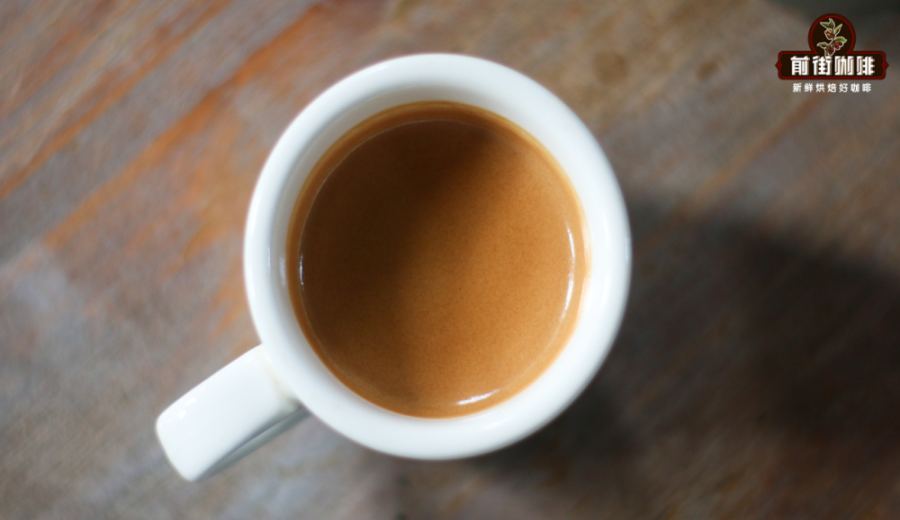
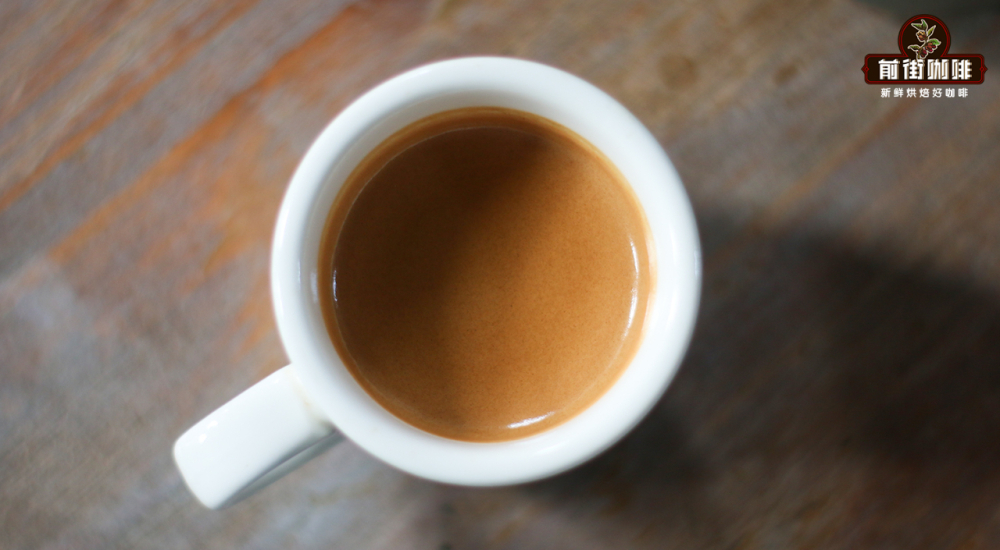
When espresso extraction is complete, you’ll notice a layer of golden, fine foam on the surface of the shot — this is known as crema. Crema is formed by carbon dioxide released from freshly roasted coffee beans under high pressure, creating a bubble layer that not only carries intense aromas but also serves as a visual indicator of successful extraction. To enjoy the best flavor, it’s recommended to use freshly roasted coffee beans within five days of roasting, when the crema is at its fullest and the aromas are most intact.
In practical operation, taking a double-shot basket as an example, a common coffee dosage is about 18–20 grams, with an extraction ratio of 1:2 — meaning 20 grams of coffee grounds yield 40 grams of espresso. The extraction time is generally recommended to be controlled between 20–35 seconds, with the 28–30 second range being considered ideal by many professional shops. If the extraction time is too short, the flavor may come across as thin; once it exceeds 35 seconds, over-extracted burnt or bitter notes are likely to appear.
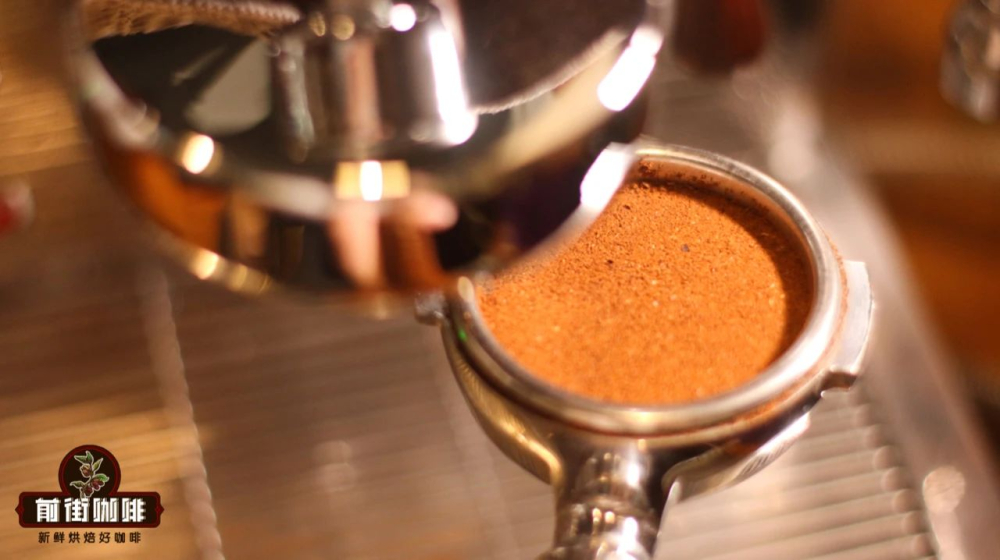
In the specific operational process, start by ensuring the portafilter basket is dry, then grind the required dosage of coffee beans using the grinder, and measure the weight precisely with an electronic scale. Next, use a distribution tool to evenly spread the coffee grounds, followed by tamping with a tamper to ensure the puck is compact and level — this step is crucial for stabilizing flow rate and ensuring even extraction. Before starting the extraction, it’s advisable to run water for 1–2 seconds to wet the group head and remove any residual coffee grounds, ensuring a clean extraction environment.
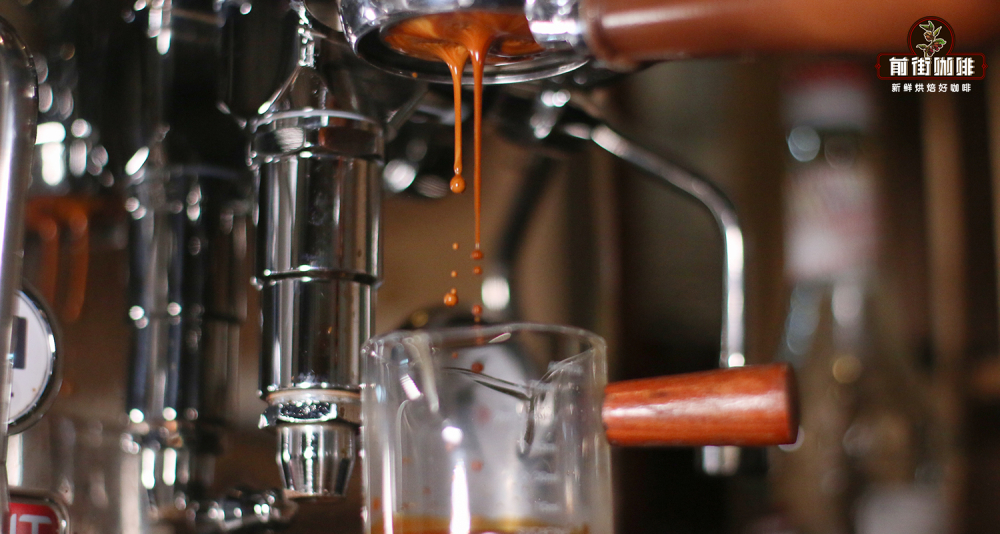
After securely attaching the portafilter to the group head, start the extraction and observe the flow of liquid. When the scale shows that approximately 40 grams of coffee have been extracted and the time falls within the target range, you can end the extraction. It’s important to note that due to daily variations in humidity and coffee bean conditions, you may need to fine-tune the grind size, dosage, or yield during actual operation to maintain stable extraction performance.
Finally, regarding parameter adjustments, if you find the espresso tastes overly bitter or has strong burnt notes, it may be due to the grind being too fine or the extraction time too long — in this case, consider adjusting the grind to a coarser setting or slightly shortening the extraction time. Conversely, if the coffee tastes too light or lacks depth, it may be due to insufficient dosage or a grind that’s too coarse, causing the flow rate to be too fast. In this situation, try increasing the dosage or slightly adjusting the grind to balance the flow speed. Keeping a record of each adjustment along with the corresponding flavor feedback can help you gradually identify the optimal extraction settings for yourself or your shop.
The above content is compiled by CoffeeHunters, a coffee news website.


