







Introduction:Jamaica Blue Mountain No. 1 coffee beans are world-renowned for their unique flavor and exceptional reputation, but many people worry whether it might be too bitter. This article will delve into the origin background, certification standards, and classic estate sources of authentic Blue Mountain No. 1, while analyzing how roasting and brewing affect its flavor balance. It also provides practical pour over parameters and steps to help you understand the true taste of this classic coffee.
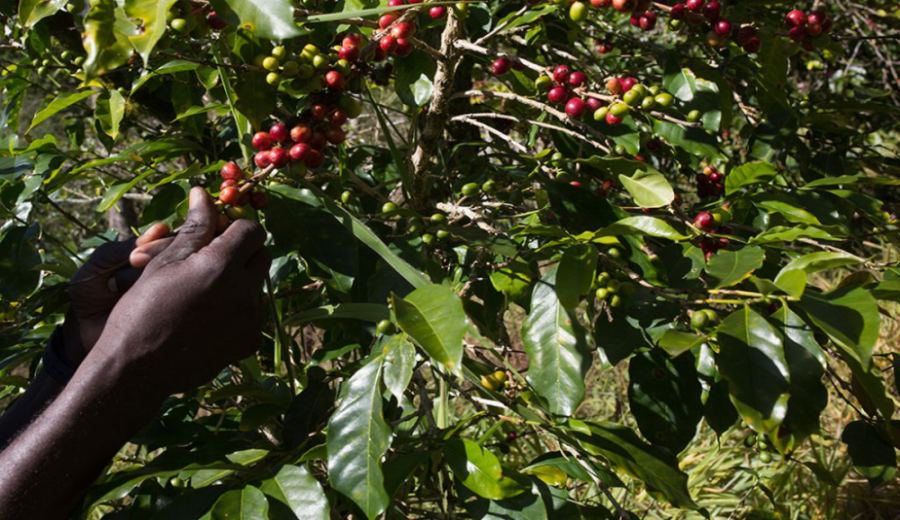
Jamaica Blue Mountain coffee is grown in the Blue Mountains of the Caribbean, an area endowed with exceptional natural conditions including fertile volcanic soil, high altitude, and a stable climate. With abundant year-round rainfall, frequent fog, and consistently mild temperatures, the coffee produced here offers outstanding balance and delicate flavors, making it one of the most sought-after premium coffees in the world.
True Blue Mountain coffee is grown only in four officially designated administrative regions of Jamaica: St. Andrew, St. Thomas, St. Mary, and Portland, at elevations ranging from approximately 910 to 1700 meters. Regions above 1700 meters are designated as nature reserves, so coffee cultivation is concentrated in mid-elevation areas, which contribute to its distinctive mild acidity and rich mouthfeel.
Among the many Blue Mountain producing areas, Clifton Mount Estate is one of the historically significant estates that is still in operation today and is the only Blue Mountain coffee farm in Jamaica to have received Rainforest Alliance certification. Its planting history dates back to the mid-18th century, around 1750. With a prime location, average elevation of about 1310 meters, natural shade from afternoon clouds, and mineral-rich deep soil, the coffee cherries are able to ripen slowly, accumulating more complex flavor compounds.
Most of the Blue Mountain No. 1 coffee beans currently available on the market come from this estate and are strictly certified by the Jamaica Coffee Industry Board to ensure the authenticity of both origin and quality. This coffee is renowned for its perfect balance of acidity, sweetness, and bitterness, featuring strong notes of dark chocolate and nuts, making it ideal for coffee lovers who appreciate refined flavors.
As for whether Blue Mountain No. 1 is bitter, the key actually lies in the roasting and brewing methods. Using an appropriately medium-dark roast can bring out a sweet chocolatey finish while retaining slight fruity acidity, resulting in a more layered overall flavor profile. While an overly dark roast may offer intensity, improper handling can easily lead to burnt bitterness or astringency. Therefore, selecting a moderate roast level and precise brewing method is crucial to unlocking the potential of Blue Mountain No. 1.
To fully showcase its aroma and mouthfeel, it is recommended to use a medium-to-dark roast curve paired with a low water temperature and a slow-flow rate filter for pour over. This not only helps control the extraction rate but also reduces the risk of over-extraction, allowing the coffee’s sweetness and body to become more pronounced.
In practice, it is suggested to use a Kono filter, maintain a water temperature of 88°C, use a coffee-to-water ratio of 1:15, with 15 grams of coffee grounds. The grind size is recommended to be 70%–75% through a standard #20 sieve, equivalent to a medium-fine grind. Brewing can be carried out using the following three-stage pouring method:
First, pour 30 grams of water for the bloom and let it sit for about 30 seconds; then, pour water in small circular motions until the total reaches 125 grams, pause once the liquid level drops slightly and the coffee bed begins to show, then proceed with the second pour until the total water volume reaches 225 grams. The entire brewing time is approximately 2 minutes.
Through this brewing process, the nutty and dark chocolate primary notes of Blue Mountain No. 1 can be effectively highlighted, yielding a silky-smooth mouthfeel with an excellent balance of acidity, sweetness, and bitterness. The aftertaste is clean and long-lasting, making it a classic choice that pour over enthusiasts shouldn’t miss.
The above content is compiled by CoffeeHunters, a coffee news website.


