







Introduction:Many coffee enthusiasts often feel confused between ordering an "Americano" and a "Long Black". Though the two may seem similar at first glance, they actually differ significantly in historical background, brewing methods, and flavor profiles. This article will delve into their preparation ratios, suitable coffee bean choices, and explore whether iced Americano counts as black coffee — helping you better understand the characteristics of these classic coffee drinks and learn how to brew balanced, smooth flavors at home.
Walking into a café, one of the most common drinks on the menu is undoubtedly the Americano. Originating in the United States and based on espresso, this drink is not only a daily pick-me-up for many, but also a top choice for health-conscious individuals due to its lack of milk and sugar. However, many still wonder: does Americano really count as black coffee? And how does it differ from the Long Black, which has gained popularity in recent years in Hong Kong, Taiwan, and overseas? This article will take you through the distinctions between these two classic coffees from the perspectives of historical background, brewing methods, and ratio configurations.
Many people mistakenly believe that the Americano originated in Italy, but its creation is actually closely tied to American dietary culture. As early as the 18th century, the famous "Boston Tea Party" broke out in the United States as a protest against high British tea taxes, and since then, coffee gradually replaced tea as the mainstream beverage. By the late 19th century, the United States accounted for one-third of global coffee bean consumption. During World War II, American soldiers drank large amounts of coffee to stay alert, but were unaccustomed to the intense bitterness of Italian espresso, so they began adding hot water to dilute it. Later, this diluted method of drinking spread along with American culture, eventually evolving into what we now know as the Americano. Since it is made solely by mixing espresso with hot water, without the addition of milk or sugar, the Americano is undoubtedly a type of black coffee.
As for the Long Black, which is often confused with the Americano, its history is tied to the coffee cultures of Australia and New Zealand. In the 1980s, a large number of Italian immigrants brought espresso machines to Australia and New Zealand, but found that local consumers preferred coffee with a richer and more layered taste. To meet this demand, baristas adjusted the ratio of espresso to water and the brewing method, creating the Long Black — a coffee drink with a more three-dimensional flavor. Unlike the Americano, which is made by extracting espresso first and then adding water, the Long Black is typically made by pouring hot water into the cup first, followed by slowly pouring a double shot of espresso (about 40 grams of extracted coffee) into it. This method helps preserve the fine crema on top of the espresso, allowing the first sip to deliver an intense aroma, while subsequent flavors remain clearer and more layered.
So, what are the specific differences between an Americano and a Long Black? The most obvious distinction lies in the brewing process and the ratio of water added. Generally, a common brewing ratio for an Americano is 1:5 to 1:8 — that is, one shot of espresso (about 30–40 grams) mixed with 150–320 milliliters of hot water, adjustable according to personal taste. The Long Black, on the other hand, involves first placing 100–120 milliliters of hot water in the cup, then slowly pouring in a double shot of espresso. This approach helps maintain the integrity of the crema while making the overall flavor more concentrated, refreshing, and less heavy.
If you’d like to brew a well-balanced Americano at home, selecting the right coffee beans and mastering the appropriate extraction ratio are crucial. For example, a flavor-rich blend — such as one with notes of cocoa, nuts, and caramel — is well-suited for making Americano. Using a 1:4.5 coffee-to-water ratio as an example, extracting about 60–70 milliliters of espresso from 40 grams of coffee grounds and then adding 180 grams of hot water can produce a rich yet layered taste. If you prefer a fresher profile, you might opt for a bean blend with prominent fruity notes — such as one combining beans from Costa Rica, Colombia, and Ethiopia, featuring citrus, berries, and subtle floral hints. When brewed as an Americano, it can also offer a refreshing sweetness reminiscent of fruit gummies.
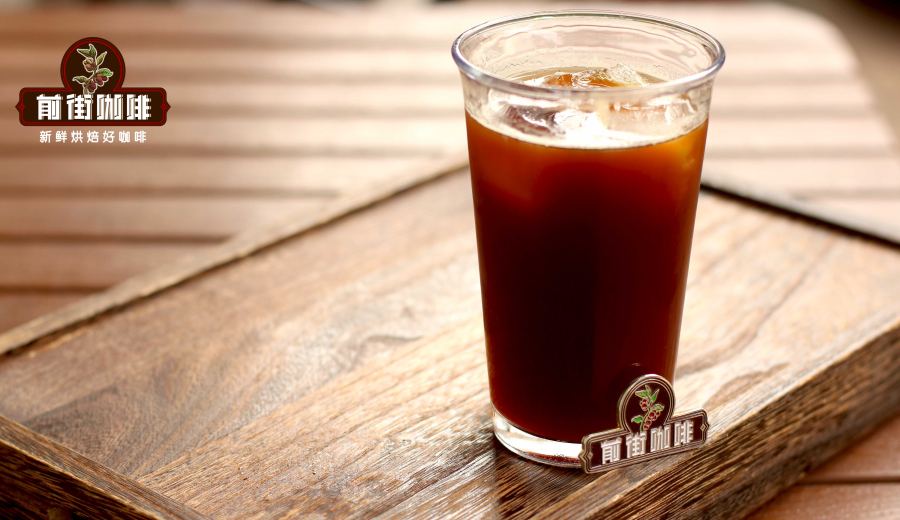
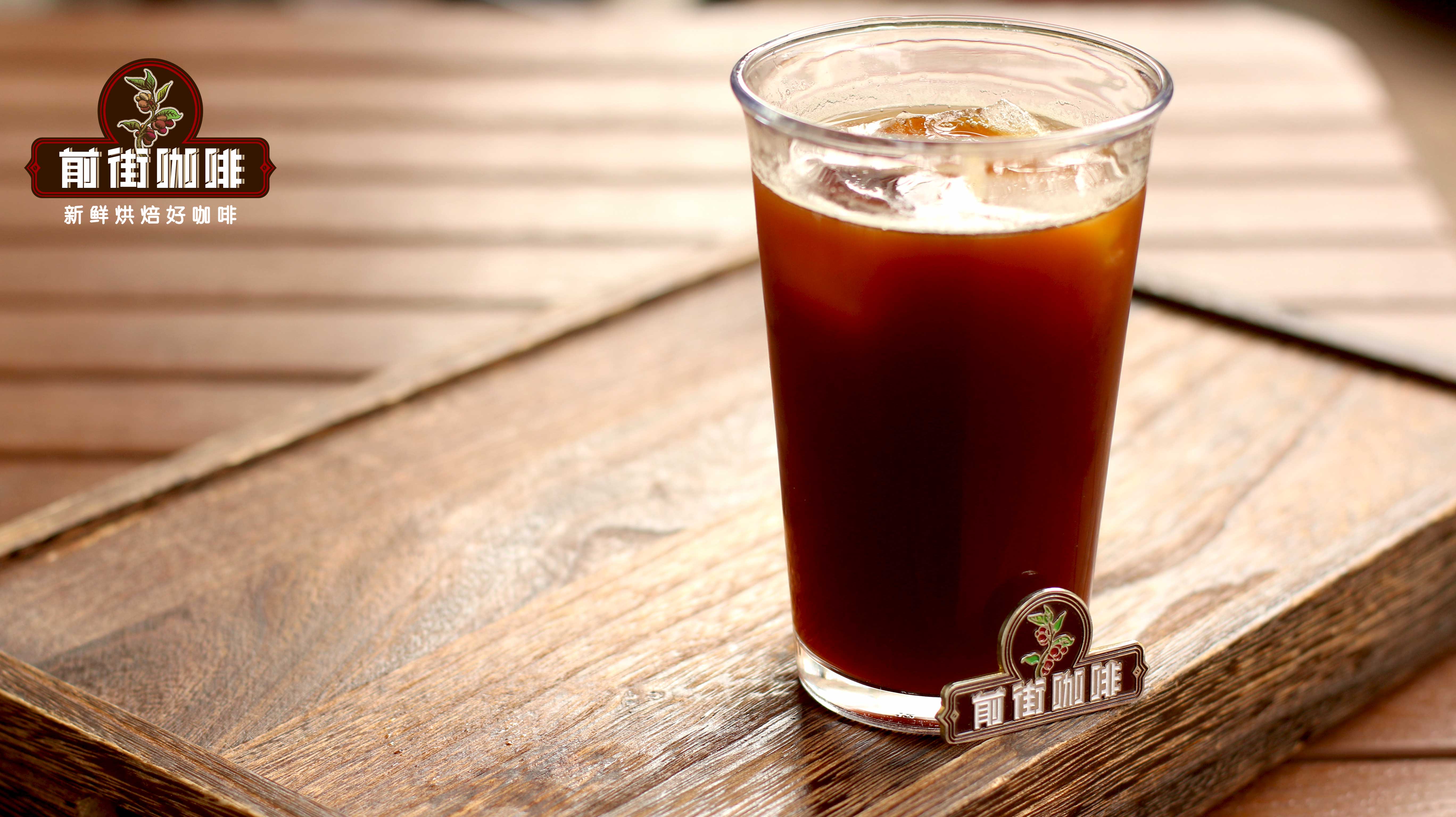
Additionally, if you enjoy drinking iced Americano, it’s important to pay special attention to the ratio of ice to coffee to avoid dilution that could affect the overall strength and flavor. It’s recommended to use solid, large ice cubes — around 25 grams each — and store them in advance in a cool place to slow down melting. Typically, a common ratio for iced Americano is 40 grams of espresso, combined with 120 grams of water and approximately 400 grams of large ice cubes, in a ratio of roughly 1:2.5:3. This setup ensures the drink isn’t overly intense upon the first sip, and still delivers good flavor even as the ice gradually melts.
In summary, although both the Americano and Long Black are based on espresso, they each have unique characteristics in terms of brewing sequence, ratio configuration, and flavor profile. The Americano is generally easier to drink and suitable for everyday consumption, while the Long Black, with its rich and layered qualities, is favored by coffee lovers who seek deeper flavors. No matter which you prefer, as long as you master the extraction ratio and choose your coffee beans wisely, you can easily enjoy a high-quality cup of black coffee tailored to your taste at home.

The above content is compiled by CoffeeHunters, a coffee news website.


