







Introduction:Want to understand why Panamanian Geisha has become synonymous with specialty coffee? This article delves into the unique environments of the Boquete and Volcán regions, analyzes the cultivation challenges and flavor characteristics of the Geisha variety, and takes a washed Boquete Geisha as an example to detail the full pour over process — including cup warming, blooming, and pulse pouring — along with practical parameters for water temperature, grind size, and coffee-to-water ratio to help you brew captivating citrus, floral, and honey sweetness.
Geisha coffee is hailed as the pinnacle of specialty coffee, and Panama is the golden land that nurtures this legendary bean. This article will take you on a journey through Panama’s two core regions — Boquete and Volcán — to deeply explore the growing environment and cultivation challenges of the Geisha variety. Using a washed Boquete Geisha as an example, it fully breaks down the pour over steps from cup warming to pulse pouring, helping you not only understand why Geisha is so expensive but also master stable and high-quality extraction techniques.
When it comes to the most sought-after specialty coffee beans in the world, Panamanian Geisha is definitely among the top. This coffee bean from Central America, with its unique floral notes, citrus tones, and complex fruit aromas, has won the favor of coffee lovers worldwide. But before savoring Geisha, let’s first get to know its homeland — Panama.
Coffee cultivation in Panama is mainly concentrated in the western part of the country, covering regions such as Boquete, Volcán, Santa Clara, and Piedra de Candela. Among them, Boquete and Volcán have become the focus of the specialty coffee world due to their uniquely favorable geographical conditions. Both regions are located in the Provence area of Chiriquí Province, situated in the golden zone of the coffee belt, boasting mineral-rich volcanic soil and pristine forest coverage.
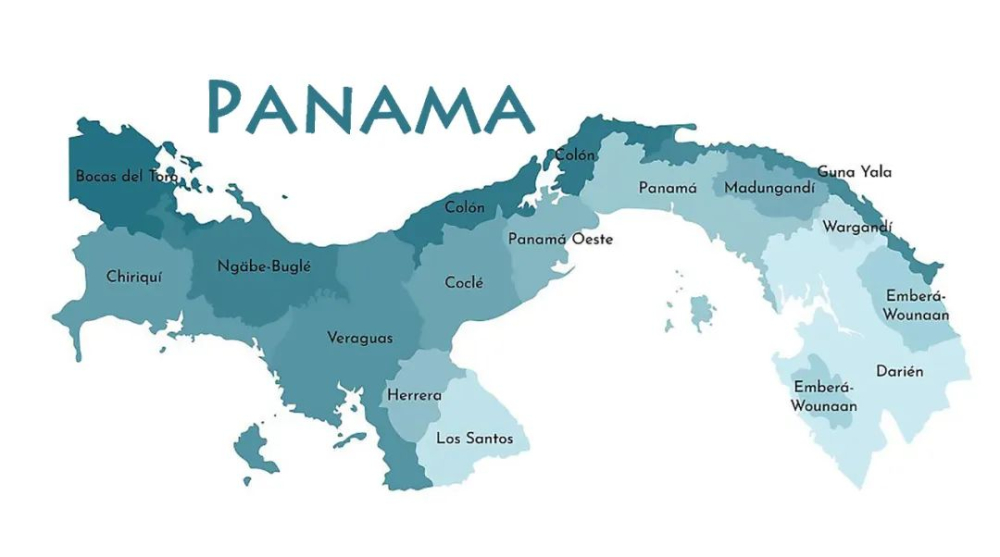
Boquete is a mountain town in Chiriquí Province, adjacent to the border between Panama and Costa Rica, nestled at the foot of the famous Barú Volcano. It enjoys a cool and humid climate. The area is influenced by the warm currents of the Caribbean Sea on one side and the cold currents of the Atlantic on the other, coupled with steep terrain and year-round cloud cover, creating a diverse microclimate environment. The Barú Volcano National Park within its borders is an ecological treasure trove, featuring seven distinctly different microclimates, providing ideal growing conditions for high-quality coffees like Geisha. Many renowned farms such as Finca Esmeralda, Elida, and Duncan are located in this area.
In contrast, the Volcán region is known for its ultra-high altitudes, with coffee generally planted between 2,000 and 3,000 meters above sea level. In the early days, this area was primarily used for fruit crops, and coffee cultivation started relatively late, but it has now emerged as a rising star in specialty coffee. Volcán receives lower annual rainfall than Boquete, and coffee is often intercropped with other fruit trees, giving it richer fruitiness, higher sweetness, and brighter acidity, with particularly outstanding flavor performance.
So, what makes the Geisha variety grown in Panama truly exceptional? The reason Geisha stands out in the global coffee market lies in the delicate floral and fruity notes it presents in the cup — ranging from elegant white flowers and citrus to peaches and multiple complex fruit tones, with bright yet non-astringent acidity, a silky-smooth mouthfeel, and an aftertaste reminiscent of the sweetness and aroma of oolong tea. The overall flavor profile is so layered it feels like sipping a premium fruit tea.
In fact, coffee is fundamentally an agricultural product, and its flavor profile is deeply influenced by multiple factors such as variety, altitude, soil, climate, processing method, and roasting style. The outstanding performance of Geisha is the result of the perfect combination of these elements. However, Geisha is also famously a “delicate variety,” not only with low yields but also extremely demanding growth requirements.
Compared to other Arabica varieties, Geisha has thinner leaves and a fragile root system, with low photosynthetic efficiency and slow absorption of water and nutrients, resulting in individual tree yields being only about half that of the Caturra variety. In addition, Geisha requires high altitude, fertile soil, and moderate shading, and cannot be exposed to intense sunlight. Cultivation also relies on shade trees and traditional pruning techniques; otherwise, the plants can easily die. Especially during the ripening period, Geisha cherries need to be harvested precisely at the optimal time — any delay can affect the final quality, which is also a key reason for its high price.
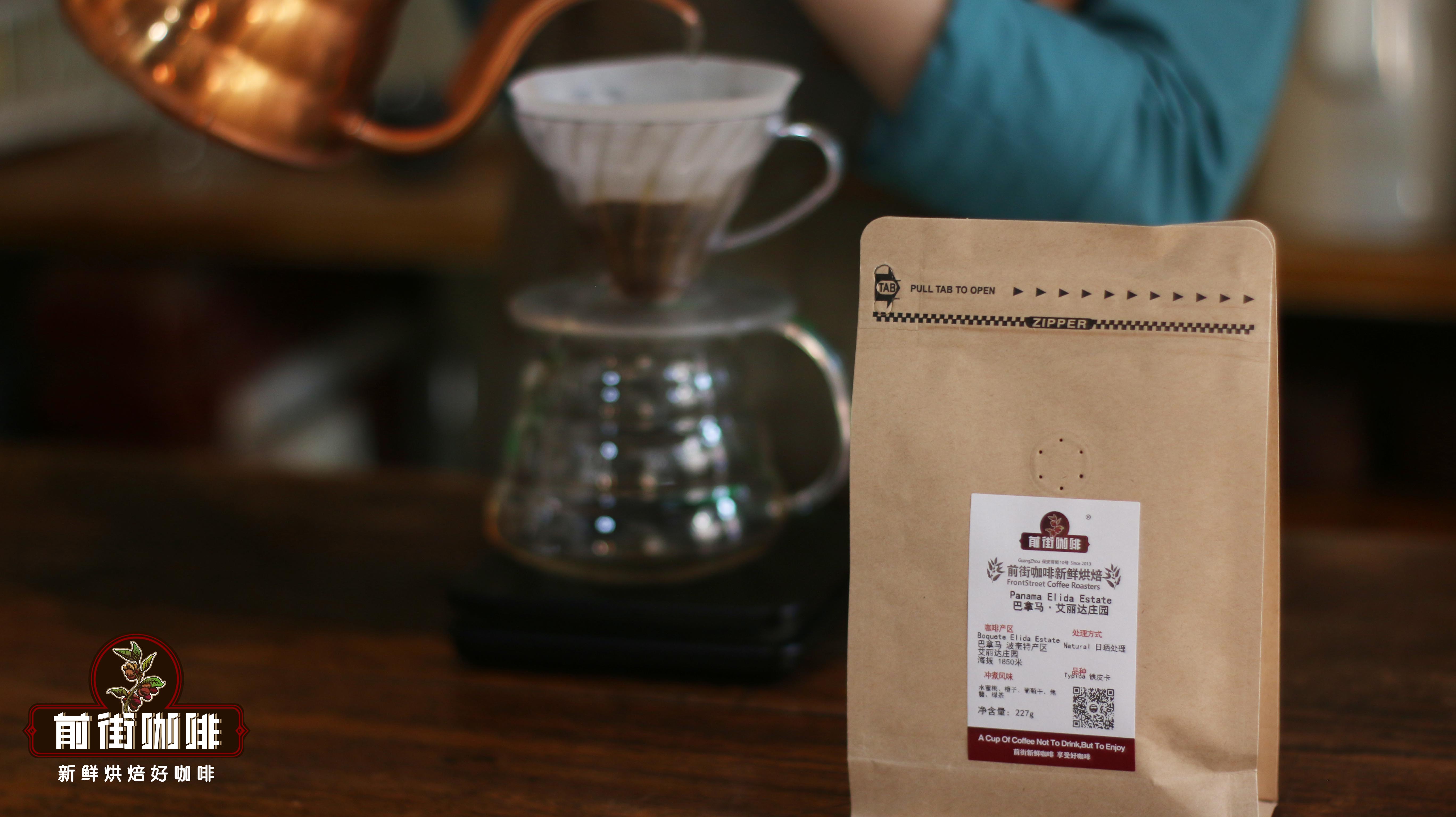
A certain brand’s washed Boquete Geisha is cultivated under such strict conditions. The washed processing steps include: first sending the selected coffee cherries into a pulper to remove the outer skin and part of the pulp; then soaking the parchment-covered beans in water with mucilage for about 24 hours of fermentation; after fermentation, using flowing water to wash away the residual mucilage; finally drying the parchment-covered beans either in the sun or using machines until the moisture content reaches about 12%, then removing the parchment to complete the process.
This traditional processing method not only enhances the stability of the coffee but also allows the Geisha to exhibit a cleaner and brighter flavor profile. The roasted washed Boquete Geisha from this brand showcases elegant white flowers, citrus, and lemon acidity, with a light green tea aroma. It feels silky smooth on the palate, with a sweet lingering aftertaste, like sipping a mild Tieguanyin.
To fully highlight the delicate flavors of Geisha, the parameters for pour over are particularly crucial. It is recommended to use a V60 filter, paired with a high water temperature of 91–92°C,a coffee-to-water ratio of 1:16,and a grind size close tothat of fine sugar granules (approximately 80% through a #20 sieve),. This combination helps improve extraction efficiency while maintaining a balance of acidity and sweetness, making the flavor layers more distinct.
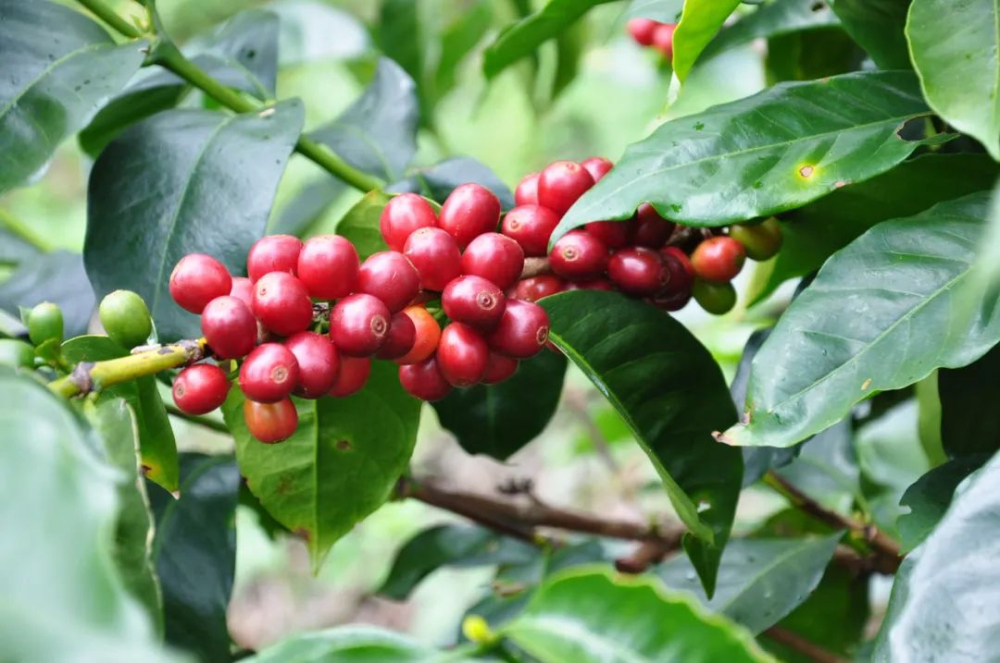
The actual pour over steps are as follows: First, place 15 grams of coffee grounds into the filter, then pour 30 grams of water for a 30-second bloom. It is recommended to pour in a slow circular motion from the center outward to ensure even saturation of the coffee bed. The second pour involves adding 120 grams of water, keeping the water stream vertical and even, completing this around the 55-second mark, with a total of 150 grams poured. Once the liquid level drops halfway, add the final 90 grams of water using a small stream in tight circles, bringing the total water volume to 240 grams, with the dripping time controlled to around 2 minutes and 10 seconds. After completion, gently swirl the coffee in the server to enjoy its bright citrus and lemon acidity, paired with a creamy smooth mouthfeel and a honey-green tea finish.
The above content is compiled by CoffeeHunters, a coffee news website.


