







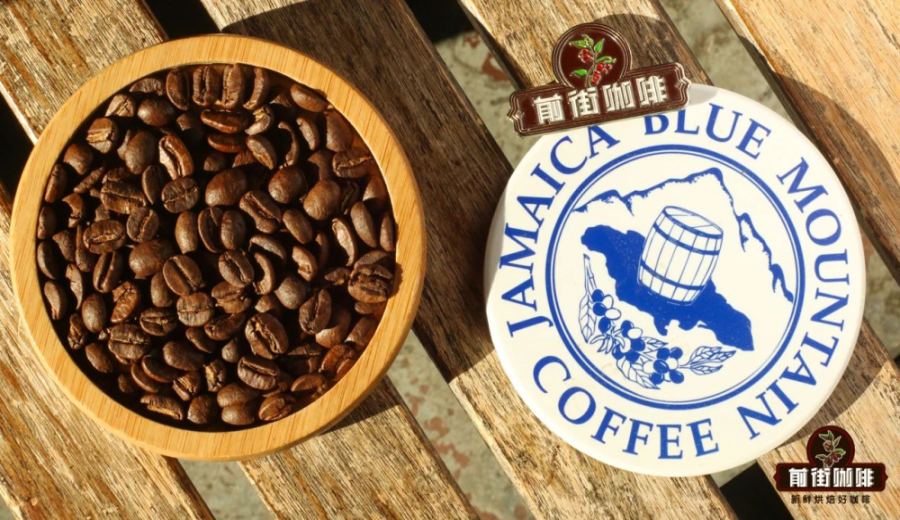
Introduction:Jamaica Blue Mountain coffee is renowned for its high price and rarity, but the market is flooded with imitations, and its grading standards are often misunderstood. This article delves into the three official grades and special classifications of Blue Mountain coffee, exploring its microclimates and volcanic soil advantages, and teaching you how to identify authentic beans through official certificates and wooden barrel packaging. It also provides professional pour over recommendations, covering water temperature, grind size, and brewing steps to help you fully unlock the flavor potential of this classic coffee.
When it comes to Jamaican coffee, Blue Mountain is undoubtedly the most famous representative. But what are the different grades of Blue Mountain coffee? How can you distinguish between the myriad of "Blue Mountain" products on the market? This article starts with the rigorous grading system of Blue Mountain coffee, analyzes why its prices remain so high, and introduces readers to the unique geographical and climatic conditions of the Blue Mountains. We’ll also explain how to verify the authentic origin of Blue Mountain coffee through official certificates and traditional wooden barrel packaging, and finally share practical Kono filter brewing tips so you can experience the charm of this classic coffee at home.
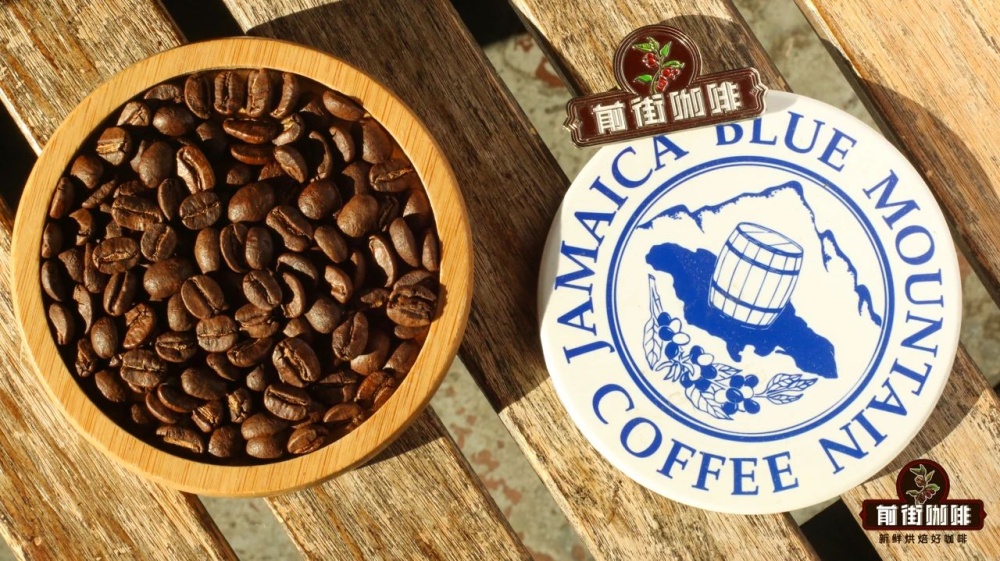
The reason Blue Mountain coffee is so expensive goes beyond its impeccable flavor profile—it’s also tied to its extremely limited production. Even in today’s era of growing specialty coffee culture, Blue Mountain coffee remains highly popular, but its mythical status isn’t what it used to be. Once a global sensation, Blue Mountain beans now face various counterfeits and misconceptions in the market, and are even often used as a marketing term for instant coffee, making it difficult for consumers to tell what real Blue Mountain coffee is.
According to the official grading system, Blue Mountain coffee is divided into five categories. First is Blue Mountain No. 1, the top grade, which requires that most beans be sized 17/20 mesh, accounting for over 96%, with a defect rate not exceeding 2%. Next is Blue Mountain No. 2, which also requires over 96% of beans to be 16/17 mesh, with the same 2% defect limit. Blue Mountain No. 3 requires 96% of beans to be 15/16 mesh, with defects again not exceeding 2%.
In addition to these three main grades, there are two special classifications. One is Blue Mountain Peaberry, characterized by about 96% of the beans being round peaberries, with a defect rate also controlled within 2%. The other is Blue Mountain Triage, a blend of the aforementioned four grades, allowing up to 4% defects.
Jamaica Blue Mountain coffee is produced in the Blue Mountains of Jamaica, an island nation in the Caribbean, particularly concentrated in the eastern part of the country. When sunlight shines on the blue sky and azure sea, the mountain peaks reflect a soft blue glow, hence the name "Blue Mountain." The region’s geography creates an exceptional microclimate, and frequent nearby volcanic activity enriches the soil with various minerals. Combined with high altitude, stable water sources, and mild day-night temperature variations, these conditions provide nearly perfect growth environments for coffee trees, resulting in Blue Mountain coffee’s unique flavor profile—balanced acidity, sweetness, and bitterness, with a rich and layered body.
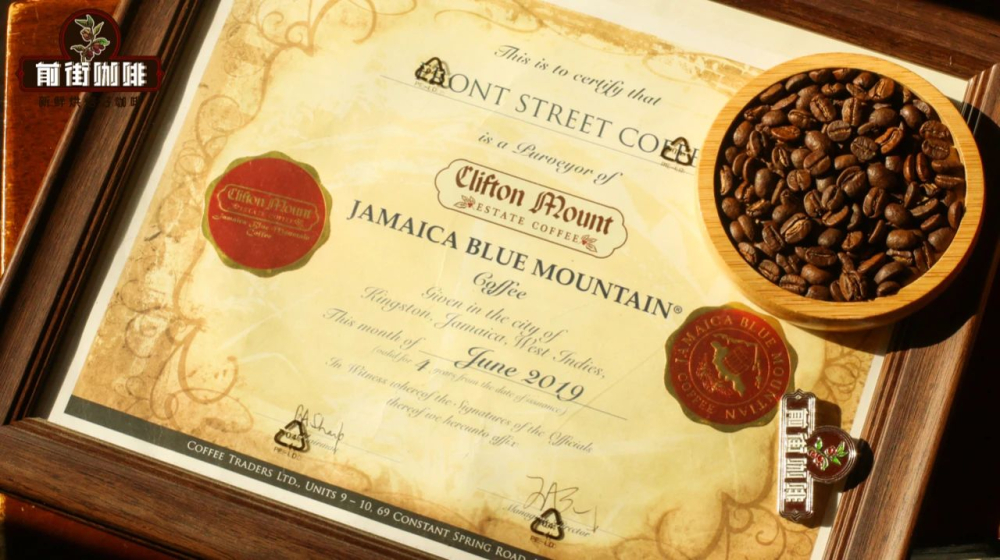
So, how can consumers ensure they’re buying authentic Blue Mountain coffee? First, officially imported Blue Mountain coffee beans must come with an official certification document issued by the Jamaican government. Second, Blue Mountain green coffee beans are transported in globally unique wooden barrels—a rare feature in other coffee-growing regions. Additionally, due to its limited production, genuine Blue Mountain beans are not easy to come by, so it’s advisable for buyers to pay close attention to the above certifications and packaging details when purchasing.
Among them, Clifton Mount Estate is one of the oldest and still-operating coffee farms in the Blue Mountains. Its product barrels bear the Tropical Rainforest Green Water Frog certification mark, indicating compliance with the "Sustainable Agriculture Network Standard." This globally recognized sustainable agriculture certification provides dual assurance for both the quality and origin of the coffee.
Blue Mountain coffee is typically grown at an average altitude of over 1,310 meters. With afternoon cloud cover, moderate sunlight penetration, and mineral-rich volcanic soil, the ripening period of coffee cherries is extended, allowing for the accumulation of more complex flavor compounds. When roasting Blue Mountain coffee, medium-dark roasts are usually chosen to fully bring out its rich and sweet characteristics. Note that freshly roasted beans are best brewed 5 to 6 days after roasting to allow proper gas release and optimal flavor expression.
Given the characteristics of Blue Mountain coffee, using a Kono filter with lower water temperature extraction can better highlight its silky texture and delicate flavors. Recommended parameters are as follows: Use a Kono filter, set water temperature to 88°C, use a 1:15 coffee-to-water ratio, with 15 grams of coffee grounds, and a grind size of 70–75% passing through a 20-mesh sieve. Suggested pour over process: Step 1, pour 30 grams of water for a 30-second bloom; Step 2, pour to about 125 grams, then continue pouring to a total of 225 grams once the water level drops halfway, and finally let it drip through. Total brew time is approximately 2 minutes and 10 seconds.
Authentic Jamaican Blue Mountain No. 1 coffee beans typically exhibit rich notes of dark chocolate and nuts, with a creamy-smooth mouthfeel and a well-balanced acidity, sweetness, and bitterness. The aftertaste is long-lasting. Whether you’re a pour over beginner or a seasoned coffee enthusiast, understanding these grades, identification tips, and brewing recommendations can help you better appreciate the unique charm of this world-class coffee.
The above content is compiled by CoffeeHunters, a coffee news website.


